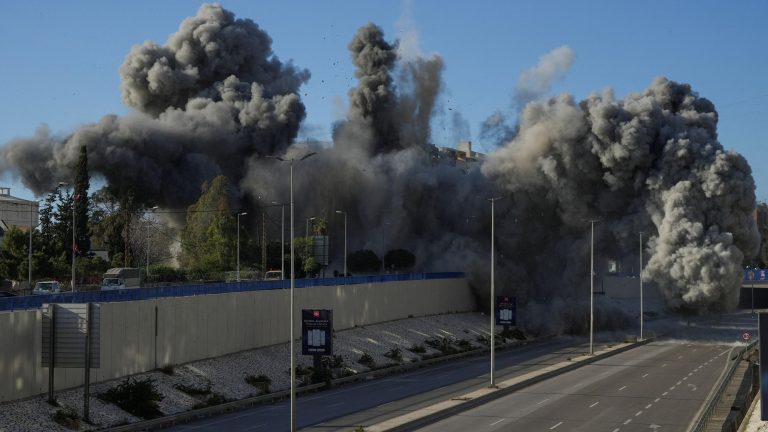
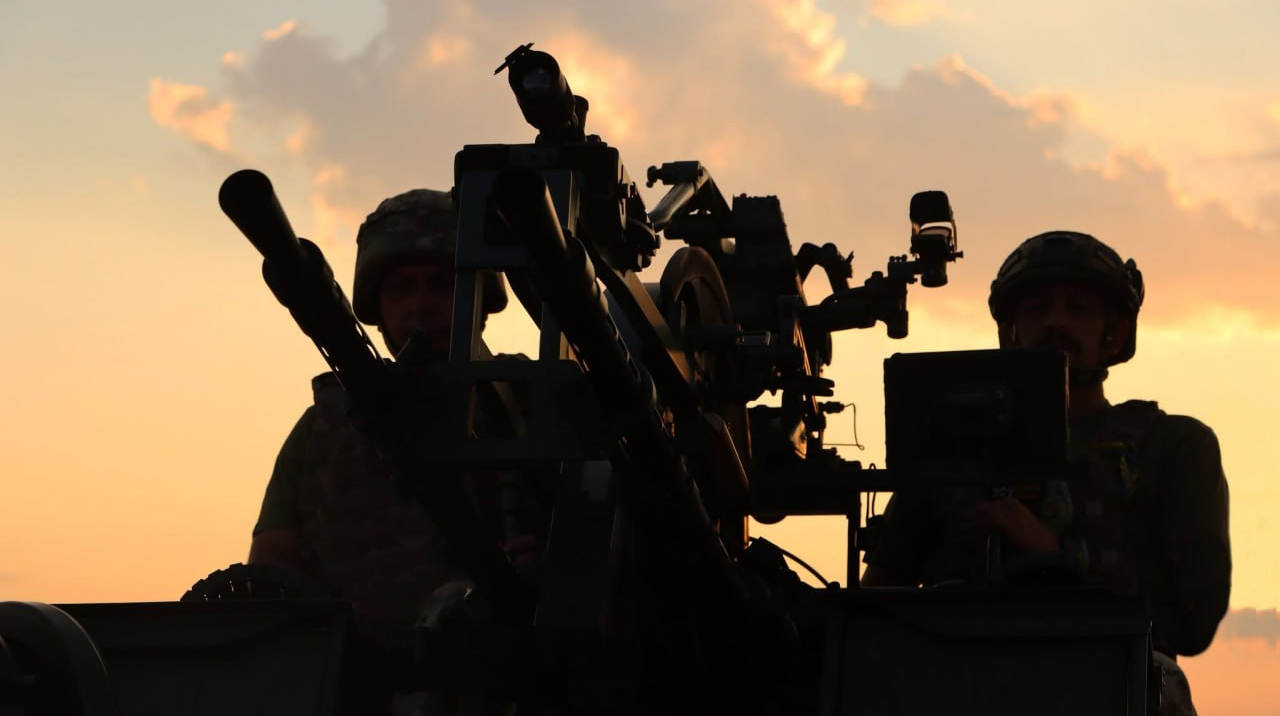
US launches new strikes on Iran targeting missile sites and boats
US Central Command carried out self-defense strikes in southern Iran on May 25 that targeted missile sites and boats attempting to place mines, marking the latest strike Iran has experienced in the ongoing situation. These actions followed the pattern of defensive measures described by US officials and came as talks continued elsewhere. The operation focused on specific military assets in the southern region without broader escalation reported at the time.
US Conducts Self-Defense Strikes
US Central Command stated it conducted self-defense strikes in southern Iran on May 25. The targets included Iranian missile sites along with boats that were attempting to place mines in the area. Reports confirm the strikes hit these locations as part of the response to immediate threats. [4] [5] [3] The military described the actions explicitly as self-defense measures taken to address active dangers from the identified sites and vessels. Details from the operation indicate precision in selecting only those assets tied to potential mine placement and missile capabilities. No additional targets beyond the missile sites and boats were referenced in official accounts of the May 25 activity. The strikes represented a direct response to observed movements and preparations that US forces viewed as requiring immediate defensive action.
Further accounts note that the US military executed the strikes using available assets to neutralize the specified threats in southern Iran. Confirmation of the targets came directly from statements issued after the operation, emphasizing the defensive nature throughout. [3] Information released highlighted that boats involved in mine-laying attempts formed a key part of the rationale for the strikes alongside the missile sites. This combination of targets aligned with the reported objectives of protecting navigation and countering immediate hazards. The execution on May 25 occurred within a limited geographic scope confined to southern Iran.
Context Since Ceasefire
These strikes were the first since a ceasefire between the US and Iran took hold more than a month earlier. [5] [2] The period following the ceasefire had seen no similar military actions until the May 25 operation. Ongoing peace negotiations in Qatar provided the backdrop for the renewed activity, with the strikes occurring amid those discussions. The timing placed the events more than thirty days after the ceasefire agreement had been established. [5] This return to strikes broke the prior stretch without direct military engagement between the parties.
The context shows the strikes arrived during a phase of continued diplomatic efforts rather than a complete halt in tensions. US officials framed the May 25 actions as isolated defensive steps within that larger environment. [2] No reports indicated a full resumption of broader conflict, only these specific self-defense measures. The ceasefire timeline underscores that more than a month of relative calm preceded the latest developments in southern Iran.
Negotiations and Rubio Statement
Negotiations for a deal remain ongoing in Qatar. Secretary of State Marco Rubio stated that a deal could take a few days. [2] [5] His comments came a day after the strikes and addressed hopes for a quicker resolution to the conflict. Rubio maintained that reaching an agreement within days was still possible despite the recent military activity. [2] The US position centers on reopening the Strait of Hormuz as a priority outcome. Iran, for its part, maintains that Tehran's sovereignty over the strait is essential to any agreement. [5]
These elements form the core of the current talks, with Rubio's timeline assessment reflecting the pace of discussions in Qatar. The Strait of Hormuz issue appears as a central point dividing the sides, with each emphasizing different requirements for progress. Rubio's remarks sought to manage expectations while affirming that a resolution remained feasible in the short term. [2] The combination of ongoing negotiations and the recent strikes illustrates the mixed environment surrounding the diplomatic process.
What to watch next centers on whether the Qatar talks advance toward an agreement on the Strait of Hormuz within the days Rubio referenced, alongside any further statements from US Central Command on defensive measures.



:quality(30):format(webp):focal(0.5x0.5:0.5x0.5)/aceh/foto/bank/originals/Negara-negara-Eropa-Jepang-hingga-Turki-Bereaksi-Terkait-Perjanjian-Damai-AS-Iran.jpg)