
Ukraine Strikes Multiple Russian Oil Sites as Air Defences Down 114 of 137 Overnight Drones
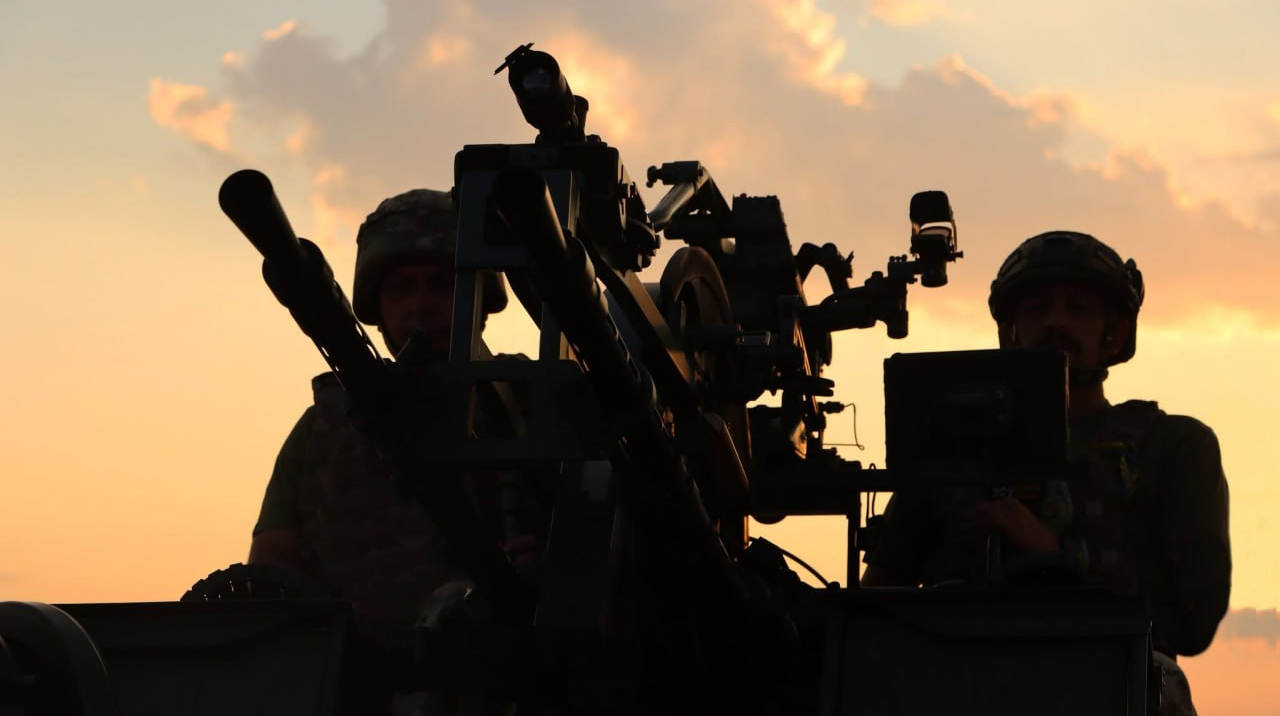
Ukraine strikes on Russian energy facilities occurred alongside Ukrainian air defences intercepting the majority of a large-scale Russian drone assault overnight. Russian forces attacked Ukraine with 137 Shahed, Gerbera, Italmas, Banderol and Parodiya drones on the night of 9-10 July. [1] Ukrainian air defence, aircraft, missile units, electronic warfare and mobile fire groups downed or jammed 114 of them, with hits recorded at 16 locations and debris at four others. [1]
Overnight Russian Drone Attack on Ukraine
Russian forces attacked Ukraine with 137 Shahed (some jet-powered), Gerbera and Italmas attack drones, Banderol loitering munitions and Parodiya decoy drones on the night of 9-10 July. [1] Early reports indicated that as of 08:00, Ukrainian air defence forces had destroyed or jammed 114 Shahed, Gerbera, Italmas and other types of drones in the country's north, south and east. [1] Aircraft, anti-aircraft missile units, electronic warfare assets, unmanned systems units and mobile fire groups from Ukraine's defence forces have been involved in repelling the attack. [1] The attack is ongoing, with Russian drones still in Ukrainian airspace. [1] Hits by 18 UAVs have been recorded at 16 locations and the fall of downed aerial assets (debris) at four locations. [1]
Ukrainian Strikes on Russian Oil Infrastructure
Ukraine strikes targeted the Ilsky Oil Refinery in Krasnodar Krai for at least the 17th time, producing flames visible in social media imagery. [2] The facility produces 6.6 million tons of fuel annually and lies roughly 500 km from Ukrainian-controlled territory. [2] The last time the refinery was targeted was on June 2, according to Ukraine's General Staff. [2] Further Ukrainian drone strikes hit Rostov Oblast oil infrastructure causing smoke over Taganrog port's oil terminal and flames at an oil depot in Azov. [2] The extent of the damage caused was not immediately clear. [2] Overnight strikes on oil depots on July 9 led to a long-lasting fire in the city of Tver, as well as a local state of emergency declared in the Stavropol Krai region. [2]
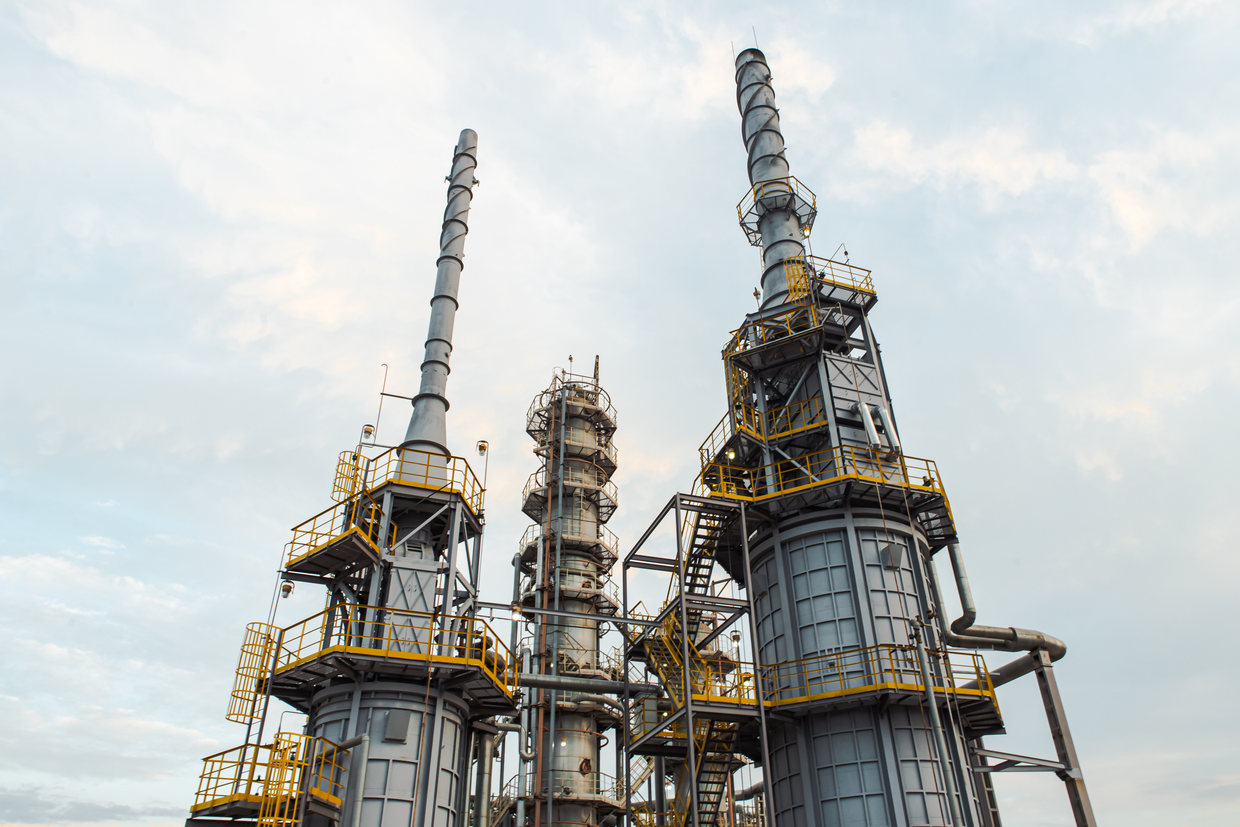
Ukrainian strike reportedly hits major Russian oil refinery. — Source: kyivindependent
Civilian Casualties and Damage from Russian Attacks
Russian forces launched a drone attack on the city of Valky in the Bohodukhiv district in Kharkiv Oblast on the night of 9-10 July. [4] A 50-year-old woman has been killed. [4] A 23-year-old woman has been injured and hospitalised. [4] A 27-year-old man and an 18-year-old young man have suffered from shock. [4] The attack had sparked a fire and damaged five houses and two outbuildings. [4] Russian forces struck an industrial facility in Odesa Oblast on the evening of 9 July, causing a fire. [4] In Zaporijjea a Russian drone attacked a petrol station, injuring five people. [5] In Sumy a Russian attack drone hit the roof of a nine-storey residential block, injuring one person. [5] In Kherson a Russian drone attacked a civilian minibus in the city centre, injuring eight people. [5] Earlier attacks in Kherson injured additional residents and killed a man and a woman when an FPV drone hit a car. [5]
Ukrainian Deep Strikes on Russian Naval and Logistical Assets
Ukrainian forces also struck 14 Russian vessels in the Sea of Azov. [5] The attacks targeted 12 tankers, a tugboat and a dry cargo ship belonging to Russia. [5] Ukrainian forces struck a munitions depot in the area of Sorokino in Luhansk Oblast. [5] They attacked the Yuzh Rus oil terminal in Bataisk, Rostov region. [5] They struck an oil pumping station in Ufa, located approximately 1,500 km from the border. [5] The SBU carried out attacks on the Krasnaia Zarya oil base in Tver region and the Stavropolskaia base in Stavropol region, both more than 500 km from the border, after which large fires broke out. [5] The vessels struck were used for supplying fuel and lubricants to Russian troop groups as well as for transporting oil and petroleum products to evade international sanctions. [5]

Ukrainian air defenses intercept most of 137 Russian drones overnight in Kyiv region. — Source: japantimes
Broader Context of Escalating Aerial Campaigns
Russia’s strikes on the Ukrainian capital have become “more aggressive,” “more massive” and “more intense,” according to resident Oleksiy Virskovsky in Kyiv. [3] Through more than four years of the Russian invasion, Virskovsky largely had not bothered going to the underground shelter despite almost nightly missile and drone attacks, but that changed with the escalation. [3] Ukrainian forces downed a Russian Su-35 multirole fighter jet. [5] The Su-35 is used by the Russian army for a wide range of missions, including launching guided bombs over Ukrainian territory from airspace controlled by Russia. [5] Ukraine is set to receive Swedish Gripen fighters equipped with Meteor missiles capable of striking targets at a greater distance than any missile currently in Ukrainian pilots’ inventory. [5]
Russian Fuel Supply Challenges Amid Ukrainian Attacks
Ukraine has been waging an increasingly successful deep strike campaign against Russian oil infrastructure, striking oil depots, disrupting production at major facilities, and in some cases halting operations indefinitely. [2] The Russian government announced on July 8 that it would ban the export of diesel fuel until at least the end of the month, after weeks of Ukraine successfully pummelling energy infrastructure. [2] Ukraine’s refinery attacks have mounted pressure on the Kremlin by aggravating a domestic fuel supply crisis that has already caused export bans, price hikes, and sales restrictions across Russia. [2] Kyiv considers energy facilities to be valid military targets, as the energy sites provide fuel and funding for the Kremlin’s war machine. [2]
What to watch next: Ukrainian forces continued their barrage of attacks against Russian oil infrastructure overnight on July 10, striking targets in multiple regions, with damage assessments ongoing for the Ilsky refinery and Rostov sites while Russian drone activity persisted in Ukrainian airspace. [2] [1]