
U.S. Grapples with Gun Violence Echoes: Brown University Shooter Confessed in Videos, Uvalde Officer Faces Trial for Inaction
Two high-profile developments in U.S. shooting incidents emerged this week, reigniting debates over campus safety and law enforcement responses. Federal authorities released chilling video transcripts from a gunman who killed two Brown University students and an MIT professor in a meticulously planned attack, while a former Uvalde school police officer went on trial for allegedly standing idle during the 2022 massacre that claimed 21 young lives.
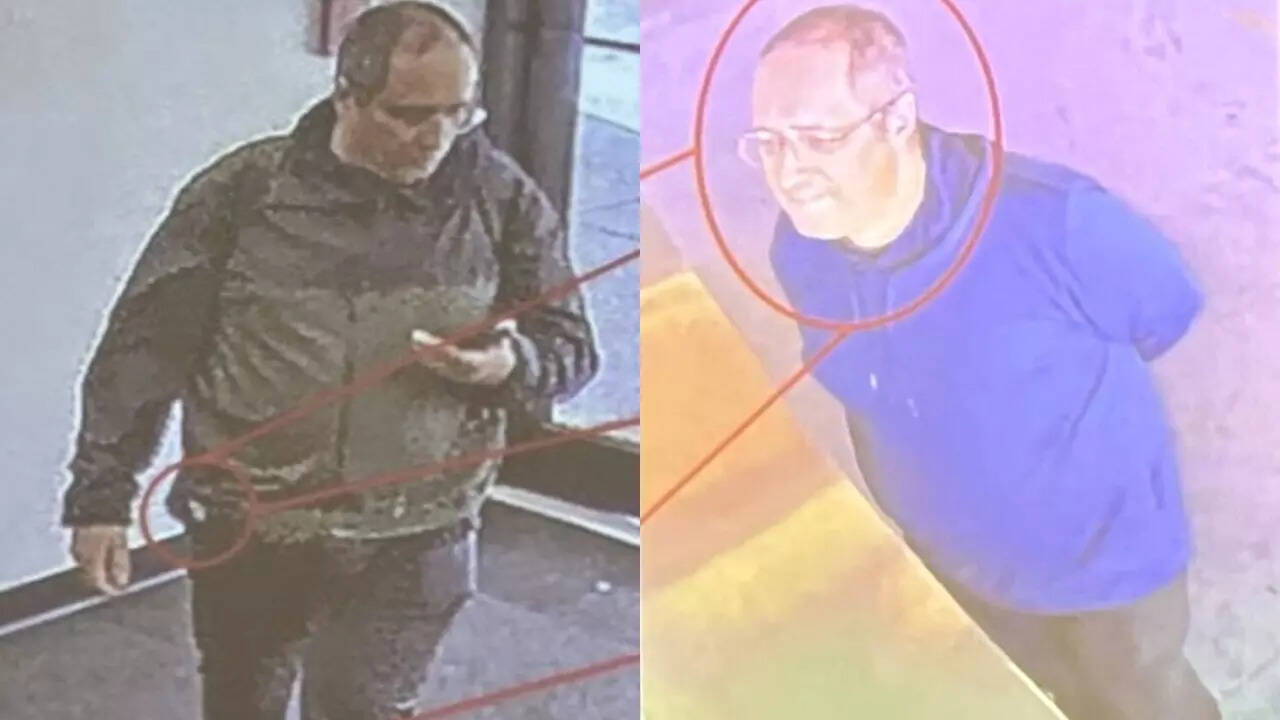
The Brown University shooting unfolded on December 31, 2025, leaving two students dead and others injured amid chaotic emergency responses, according to initial police records. Federal investigators revealed Tuesday that the perpetrator, identified as Claudio Neves Valente, had plotted the assault for at least six semesters—spanning months of preparation. Valente, whose death was later confirmed by authorities, also fatally shot an MIT professor in a related incident. The U.S. Department of Justice (DOJ) made public video recordings recovered from a storage unit in New Hampshire, in which the shooter confessed to the murders without remorse.
In the transcripts, Valente rejected any apologies and described his actions as deliberate, providing stark insight into his mindset. "He expressed no remorse," federal investigators noted in their release, underscoring the premeditated nature of the rampage. Law enforcement sources indicated Valente had been surveilling targets and acquiring materials over an extended period, turning what began as a campus tragedy at Brown into a broader threat that extended to MIT.
This disclosure came amid ongoing investigations into the attack's full scope, with police records detailing the pandemonium of the initial response at Brown. The incident has prompted renewed scrutiny of university security protocols, especially as Ivy League institutions like Brown grapple with balancing open campuses and student safety.
Simultaneously, in Uvalde, Texas, the trial of a former school district police officer accused of failing to intervene during the Robb Elementary School shooting began this week. The May 24, 2022, attack by Salvador Ramos left 19 children and two teachers dead, marking one of the deadliest school shootings in American history. On Tuesday, prosecutors laid bare allegations that the officer, who was on campus as a father dropping off his own child, took no action to confront or distract the gunman before he entered classrooms and opened fire.
"A school police officer in Uvalde, Texas, stood by during one of the deadliest school shootings in U.S. history and made no attempt to distract or stop the gunman," the prosecutor told the jury, emphasizing the officer's presence near the unfolding horror. The trial, which started on January 5, 2026, centers on charges related to child endangerment and failure to protect, highlighting systemic lapses exposed by a scathing state investigation. That probe faulted police for a 77-minute delay in neutralizing the shooter, during which officers waited outside while children inside called 911.
Background on Persistent Challenges
The Brown and Uvalde cases underscore enduring issues in U.S. gun violence, particularly on educational grounds. Brown University, located in Providence, Rhode Island, has long emphasized its historic open-campus policy, fostering intellectual exchange but occasionally drawing criticism for vulnerability. The attack, occurring on New Year's Eve, disrupted celebrations and amplified calls for enhanced threat assessment teams, similar to those implemented post-Virginia Tech in 2007.
Uvalde's tragedy, conversely, exposed profound failures in active shooter training and command structures. A 2022 Texas Department of Public Safety report and subsequent federal reviews criticized the local response, leading to firings, resignations, and civil lawsuits. This officer's trial is among the first criminal proceedings stemming from the event, with families of victims advocating for accountability to prevent future inaction.
Nationally, school and campus shootings remain a grim fixture. The Gun Violence Archive tracks over 40,000 gun deaths annually in the U.S., with mass shootings—defined as four or more victims—increasing in frequency. Legislative efforts, such as the 2022 Bipartisan Safer Communities Act, have funded mental health and red-flag laws, but divisions persist on broader reforms.
As these stories unfold, authorities continue piecing together Valente's motives and digital trail, while the Uvalde jury weighs evidence of split-second decisions—or lack thereof. Both cases serve as stark reminders of the human cost of delayed action and undetected planning, fueling ongoing dialogues on prevention in an era of heightened vigilance.
(Word count: 612)






