U.S. Geopolitics in Turmoil: Tariff Delays, Israeli Tensions, and Maduro's Extradition Drama

Latest from X
U.S. Geopolitics in Turmoil: Tariff Delays, Israeli Tensions, and Maduro's Extradition Drama
In a week marked by significant developments in U.S. foreign and domestic policy, President Donald Trump announced a delay in tariffs on key imports, Israel voiced strong objections to policy shifts by New York City’s mayor, and Venezuelan President Nicolas Maduro faced a high-stakes court appearance in New York. These events highlight the intricate interplay of economic decisions, international diplomacy, and domestic politics, amid ongoing global uncertainties.
The lead story revolves around Trump's decision to postpone tariffs on upholstered furniture, kitchen cabinets, and vanities, originally set to take effect immediately. Announced on January 1, 2026, the one-year delay aims to mitigate potential economic fallout for U.S. consumers and businesses. This move comes as part of broader trade negotiations, reflecting the administration's strategy to balance protectionist policies with domestic economic stability. The tariffs, which were intended to target imports primarily from China and other major exporters, had raised concerns about increased costs for American households and potential supply chain disruptions. By delaying implementation, the administration signals a cautious approach to trade wars, especially as inflation remains a key issue in the U.S. economy.
Parallel to these economic maneuvers, tensions escalated between Israel and the United States over policy changes in New York City. On January 2, 2026, Israeli officials criticized NYC Mayor Zohran Mamdani for revoking the International Holocaust Remembrance Alliance (IHRA) definition of antisemitism in city policies. This decision, part of Mamdani's broader reforms, has been interpreted as a step back from measures aimed at combating antisemitism, potentially emboldening discriminatory sentiments. Israeli representatives argued that the move could undermine efforts to address rising hate crimes, especially in light of global conflicts. Posts on X from verified news accounts have echoed these concerns, highlighting discussions between Mamdani and Trump regarding U.S. foreign aid and its implications for domestic priorities. For instance, sentiments on the platform suggest that such meetings underscore the friction between local governance and federal foreign policy, though these posts should be viewed as reflective of public discourse rather than definitive evidence.
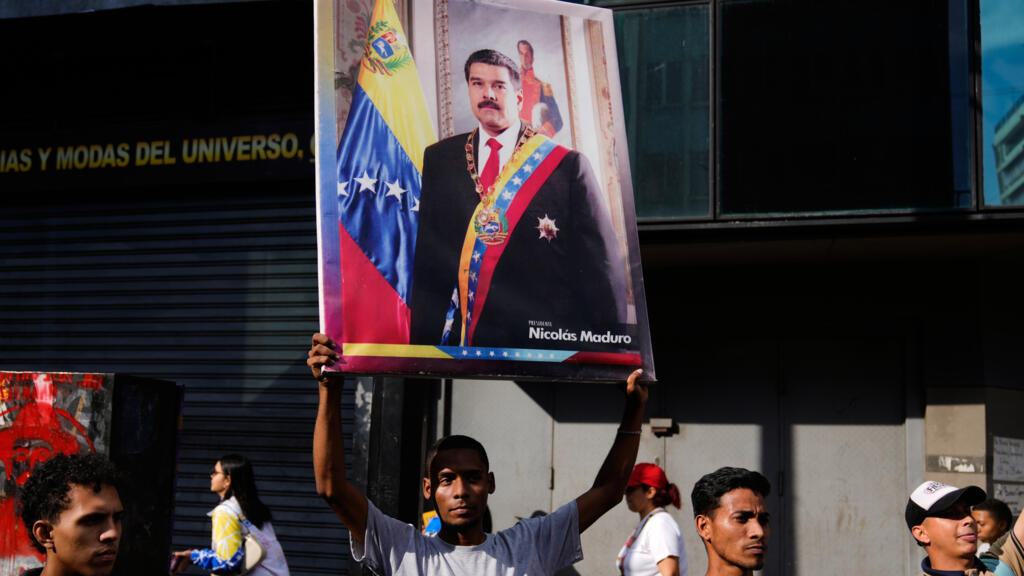
The most dramatic event unfolded with Nicolas Maduro's unexpected appearance in a U.S. federal court in New York on January 5, 2026. Maduro, the Venezuelan leader, was indicted on charges of "narcoterrorism" related to alleged cocaine trafficking into the United States. His detention, stemming from a military operation in Caracas on January 3, 2026, has sparked international outcry and uncertainty in Venezuela. According to reports from France24 and Al Jazeera, Maduro's extradition represents a bold escalation in U.S.-Venezuela relations, with Trump administration officials emphasizing their commitment to holding foreign leaders accountable. The UN Security Council is scheduled to address the matter, amid calls for de-escalation and concerns over the legality of the operation. Trump's public statements, as covered in these sources, have included threats of further actions, positioning the U.S. as actively involved in Venezuelan affairs.
These events do not occur in isolation but are intertwined with broader geopolitical contexts. The tariff delay, for example, builds on Trump's longstanding trade policies initiated during his first term, which sought to renegotiate deals like NAFTA and impose duties on Chinese goods. This latest decision could be seen as a response to economic pressures, including feedback from industry stakeholders worried about the impact on manufacturing and retail sectors. Meanwhile, the criticism from Israel over Mamdani's policies reflects ongoing debates about U.S. support for Israel, particularly in the context of Middle East conflicts. Mamdani, a progressive figure, has advocated for reallocating U.S. funds away from foreign military aid, a stance that has drawn both support and backlash. On the international front, Maduro's court appearance exacerbates tensions in Latin America, where U.S. interventions have historically influenced regional stability.
Looking ahead, these developments could reshape U.S. foreign relations and domestic priorities. The tariff delay might provide breathing room for trade talks, potentially averting short-term economic strain, but it leaves uncertainty for long-term policy. Israel's rebuke of Mamdani's actions could strain U.S.-Israel ties, prompting diplomatic efforts to mend relations. Maduro's case, meanwhile, raises questions about international law and the precedent for extraterritorial arrests, with the UN's response likely to influence global perceptions of U.S. power. As these stories unfold, they underscore the complex dynamics of geopolitics in an interconnected world, where economic decisions, local policies, and international interventions are deeply linked.
(Word count: 652)
Track this story live
Live World Map
Monitor global events in real time with a live activity map and hotspot summaries.
Markets
Connect live events to Catalyst market signals across crypto, commodities, indices, and forex.
Geopolitical Risk
Live geopolitical risk index tracking conflict zones, sanctions, and global threat levels.
Original Sources
- •
- •
Editorial process: This article was synthesized from the original sources cited above using The World Now's AI editorial system, with byline accountability from our editorial team. We grade every story for source grounding, factual coherence, and on-topic match before publication. Read more about our editorial standards and contributors. Spot something inaccurate? Let us know.
Last updated: January 20, 2026






