
US Geopolitical Shifts: Withdrawal from India-Led Solar Alliance Amid Reports of Military Buildup
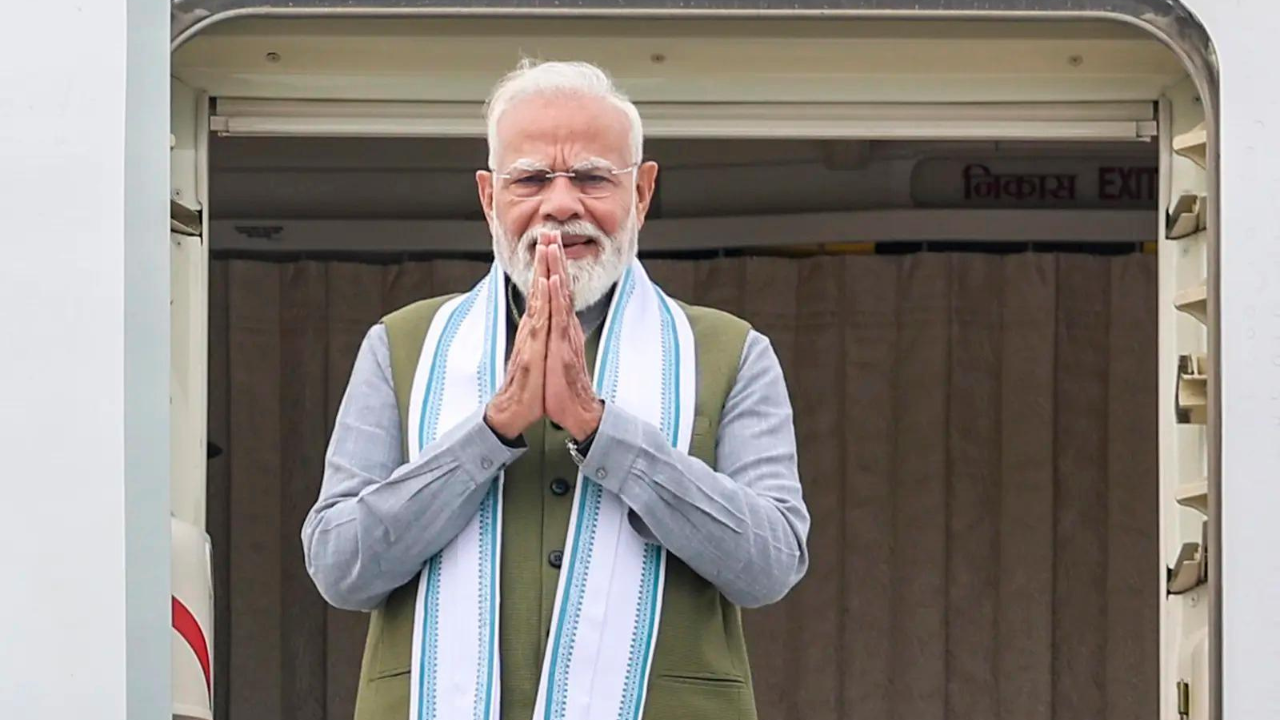
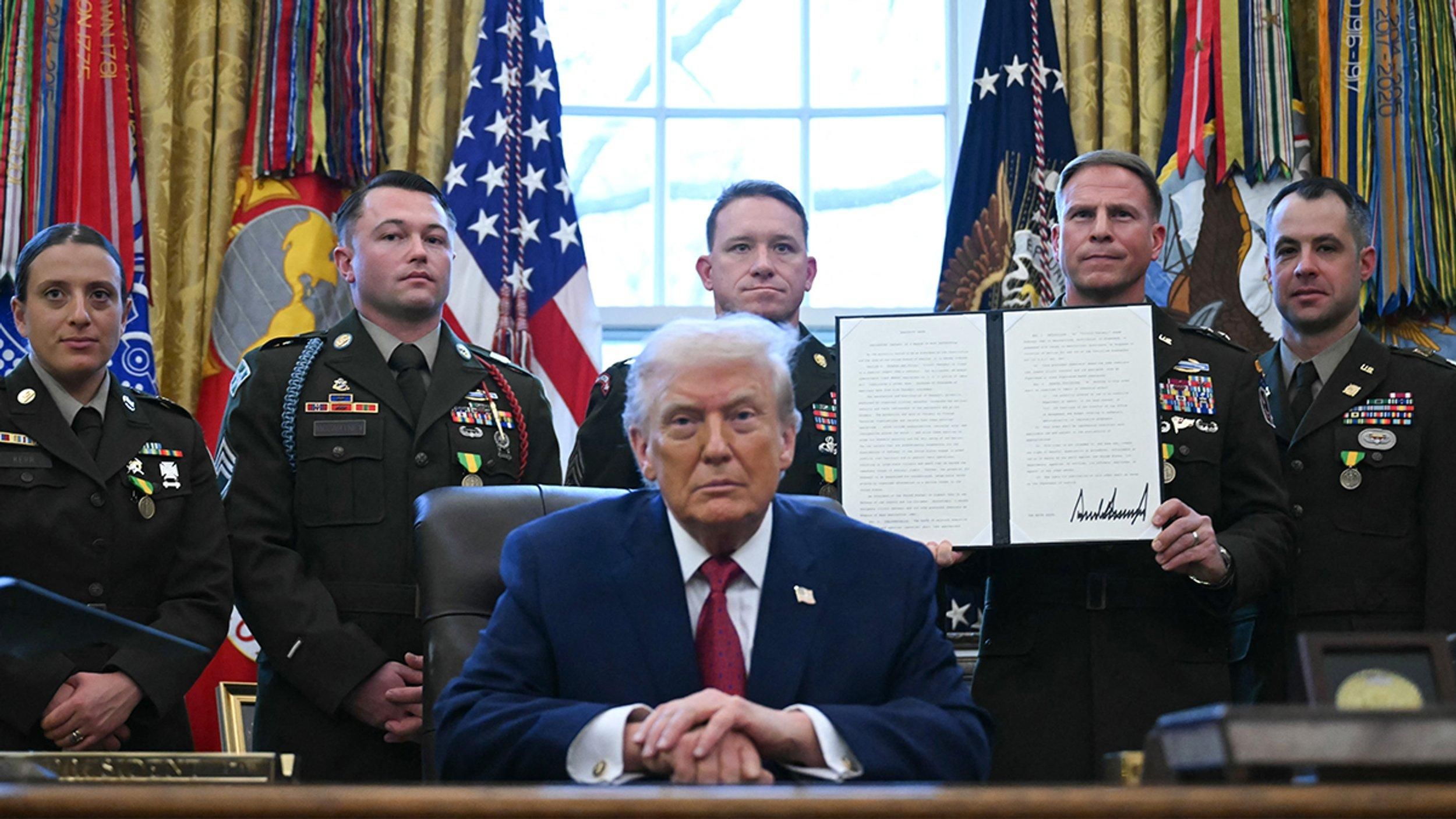
Washington, DC – The United States, under President Donald Trump, announced its withdrawal from the India-led International Solar Alliance (ISA) on January 8, 2026, marking a notable pivot in global climate cooperation. This move coincides with emerging media reports speculating on heightened US military preparations, fueling discussions about escalating geopolitical tensions.
The US exit from the ISA, a multilateral initiative co-founded by India and France in 2015, underscores a return to unilateralism in American foreign policy. The ISA aims to promote solar energy deployment among solar-resource-rich countries, initially targeting 121 potential members spanning the tropics. The decision to withdraw represents a significant shift in international climate policy, prioritizing domestic energy strategies over global partnerships. According to official statements, the move aligns with the administration's "America First" agenda, focusing resources on US innovation rather than international commitments.
This development revives memories of Trump's first term, when the US withdrew from the Paris Climate Agreement in 2017 and the Iran nuclear deal in 2018. Those actions emphasized national sovereignty over multilateral frameworks. The ISA, headquartered in Gurugram, India, has grown to include over 100 signatories and focuses on mobilizing over $1 trillion in investments for solar projects by 2030. US participation had been limited and non-binding prior to any deeper involvement, but the formal exit signals a broader retreat from climate diplomacy led by emerging powers like India.
In parallel, Ukrainian media outlet 24 Kanal published articles on January 10, 2026, titled "USA may be preparing for war – which state might start the conflict first" (in both Russian and Ukrainian), highlighting speculation around US military posture. These reports, aggregated via the GDELT Project's global event monitoring, suggest concerns over potential conflicts, questioning which nation might initiate hostilities. While specific details from the articles remain unverified in English-language outlets, they reflect broader Eastern European anxieties amid ongoing global flashpoints, including the Russia-Ukraine war and tensions in the Indo-Pacific.
Background on US Climate and Security Posture
The International Solar Alliance emerged from the COP21 Paris summit as a "1.2 billion people, 23% land, 46% tropical land" initiative to address energy poverty through solar power. India, as a leader in renewable capacity additions, has championed the ISA alongside France. The US, during the Biden administration, engaged peripherally through technical cooperation but stopped short of full membership. Trump's return to the White House in 2025 has accelerated reversals of such engagements, consistent with campaign promises to exit "unfair" international pacts.
On the security front, US military spending reached $916 billion in fiscal year 2025, per Congressional Budget Office data, amid strategic competitions with China and Russia. Recent deployments include additional naval assets to the South China Sea and enhanced support for NATO allies. Analysts note increased exercises like REFORPAC in the Pacific, but no official confirmation of imminent war preparations exists. The 24 Kanal pieces appear to interpret these as preemptive signals, possibly referencing rhetoric from US officials on deterring aggression from peer competitors.
Experts contextualize these events within a fragmented global order. The solar withdrawal may strain US-India ties, despite the Quad alliance (US, India, Japan, Australia) countering Chinese influence. India has positioned itself as a voice for the Global South in climate talks, and the US step-back could cede ground to Beijing's Belt and Road solar investments.
Implications and Outlook
The dual developments – climate disengagement and perceived military escalation – project a muscular, isolationist US stance. Economically, withdrawing from ISA frees US firms like First Solar from alliance-specific obligations, potentially boosting bilateral deals. However, it risks isolating America from green technology supply chains dominated by Asia.
Geopolitically, the war preparation narratives amplify deterrence signaling. Pentagon reports emphasize readiness against "pacing threats," with no indications of offensive intent. As one analyst from the Council on Foreign Relations noted in prior commentary, "US posture is defensive, but perceptions drive escalation risks."
Looking ahead, the Trump administration faces pressure from Congress and allies. Bipartisan senators have urged recommitment to climate partnerships, while defense hawks advocate sustained funding. The ISA exit becomes effective after a notice period, per alliance rules, leaving room for reversal. Meanwhile, global markets await clarity on US solar tariffs and export policies.
These events, unfolding rapidly in early 2026, highlight the US navigating a multipolar world. Whether they herald de-globalization or strategic recalibration remains to be seen, but they underscore volatility in American geopolitics.
(Word count: 712)