
U.S. Geopolitical Landscape Shifts with Maduro Arrest and Tariff Delays
In a significant turn of events, President Donald Trump announced a one-year delay in implementing increased tariffs on upholstered furniture, kitchen cabinets, and vanities, coinciding with the U.S. military's capture of Venezuelan leader Nicolás Maduro. These developments highlight the shifting dynamics within U.S. geopolitical strategy and economic policies as the nation navigates complex international relationships.
On January 1, 2026, President Trump declared the postponement of tariffs that were poised to impact the furniture industry significantly. This decision, described as a move to ease economic pressures on American consumers and businesses, underscores Trump's approach to balancing protectionist policies with the practical needs of the domestic economy. The tariffs, originally set to take effect imminently, would have likely resulted in increased prices for consumers, particularly affecting middle-class households.
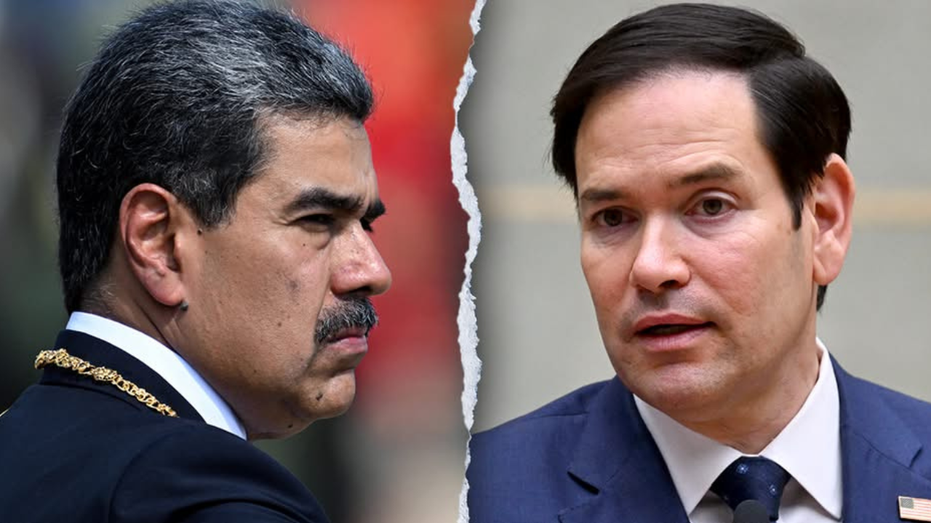
In parallel, Trump's administration made headlines with the military operation that led to the capture of Maduro and his wife. The U.S. government has long sought to hold Maduro accountable for alleged drug trafficking and human rights abuses. Following the operation, President Trump stated that Maduro would "face the full might of American justice," emphasizing the administration's commitment to combating narcotrafficking and promoting democratic governance in Venezuela. This action has drawn mixed reactions domestically and internationally, with critics questioning the ramifications of U.S. military involvement in foreign political affairs.
Senator Marco Rubio, a prominent voice on Latin American issues, expressed concern regarding the implications of Maduro's arrest for U.S.-Cuba relations, suggesting that Cuba may have a vested interest in Maduro's fate. "I'd be concerned," Rubio stated, highlighting the delicate balance the U.S. must maintain while navigating its relationships in the region.
Meanwhile, on the European front, Ukrainian President Volodymyr Zelenskyy expressed hopes for a leaders' summit in the United States by the end of January 2026. This summit aims to discuss strategies to resolve the ongoing conflict with Russia, which has persisted since February 2022. Zelenskyy's call for dialogue underscores the critical role the U.S. plays in international diplomacy, particularly concerning Eastern European stability and security.
The recent events reflect a precarious balance in Trump's foreign policy approach, where economic and military strategies intersect. The tariff delay may serve to bolster domestic support as the administration faces scrutiny over its handling of international conflicts, while the arrest of Maduro could signal a more aggressive stance in Latin American geopolitics.
As the U.S. navigates these complex issues, the focus remains on how these actions will influence both international relations and domestic economic conditions in the coming year. The interplay between military engagement and economic policy will likely shape the landscape of U.S. geopolitics as the Biden administration seeks to assert its influence on the global stage amidst ongoing conflicts and shifting alliances.
In conclusion, the past week has underscored the importance of strategic decision-making in U.S. foreign policy, as President Trump balances the need to address domestic economic concerns with the imperative of enforcing international law and supporting democratic governance abroad. The outcomes of these developments will undoubtedly resonate far beyond American borders, influencing the geopolitical landscape in 2026 and beyond.