
US Escalates Sanctions Enforcement on Shadow Fleet Tankers as Venezuelan Oil Flows Resume Amid Chinese Backlash and Cyber Threats
WASHINGTON — The United States has seized two oil tankers accused of evading sanctions on Venezuelan crude, drawing sharp condemnation from China as "severely violat[ing]" international law, while simultaneously paving the way for a major influx of Venezuelan oil to American refineries following a policy shift under President Donald Trump. These developments, unfolding against a backdrop of alleged Chinese cyberattacks on U.S. congressional systems, underscore escalating geopolitical tensions over global energy trade and cybersecurity.
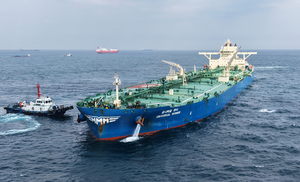
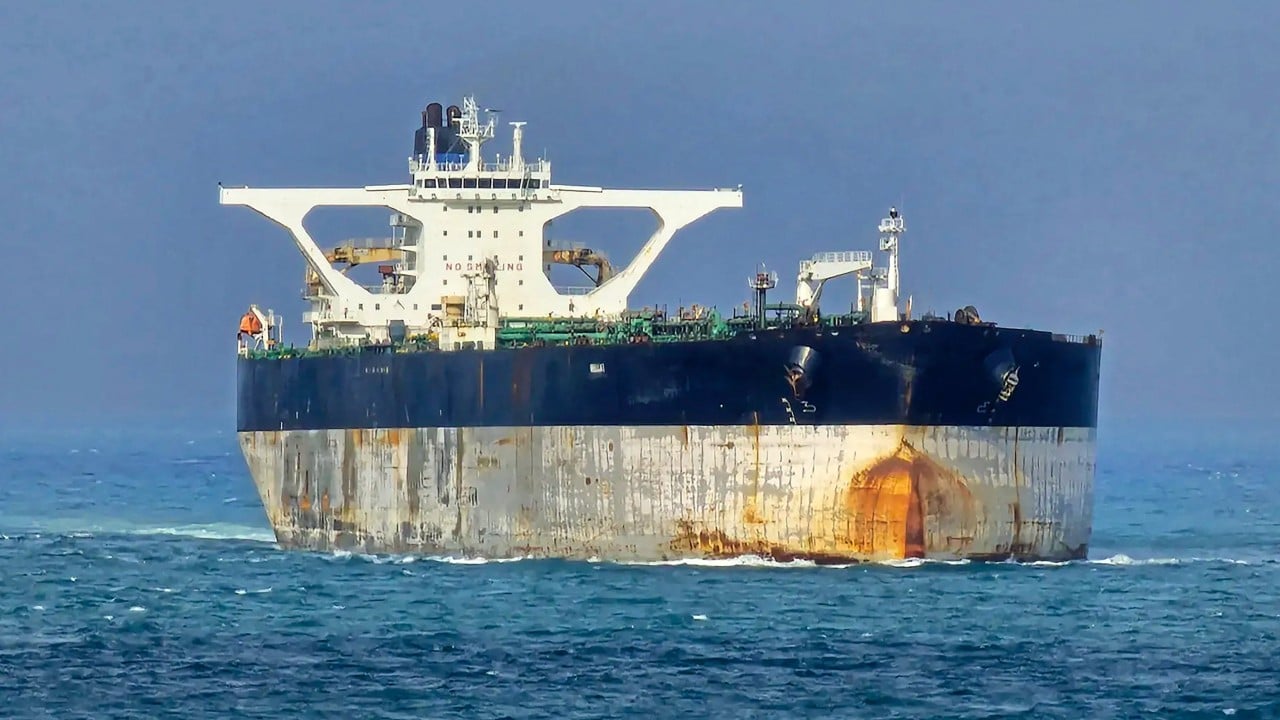
U.S. European Command announced on Wednesday the seizure of a Russian-flagged tanker, previously known as the Bella 1, in the North Atlantic. The vessel had been tracked for two weeks after attempting to evade detection. A second ship was detained shortly after in the Caribbean. Both were linked to violations of U.S. sanctions on Venezuela, part of broader efforts to curb illicit oil trade involving "shadow fleets" — aging tankers operating under false flags to bypass Western restrictions on Russian, Iranian, and Venezuelan petroleum exports.
France 24 detailed how these shadow fleets function: Russia has reportedly invested billions of euros since 2022 to sustain oil exports amid sanctions imposed after its invasion of Ukraine. These "ghost" fleets rely on opaque ownership, frequent flag changes, and ship-to-ship transfers to obscure origins and destinations. The U.S. actions represent a rare high-seas interdiction, signaling intensified enforcement as global energy markets remain strained.
China swiftly criticized the moves, with its foreign ministry stating the seizures on the high seas breached international law. The response highlights Beijing's alignment with Russia and Venezuela against Western sanctions regimes, amid its own economic interests in discounted sanctioned oil.
In a contrasting development, President Trump announced the authorization of 50 million barrels of Venezuelan crude — valued at $2.8 billion — to head to Gulf Coast refineries, potentially arriving in Texas next week. Fox News reported this could bolster U.S. refining capacity, where specialized facilities process heavy Venezuelan grades unsuitable for lighter domestic crudes. Analysts note this influx may stabilize or lower nationwide gas prices, providing relief to consumers amid volatile markets. The move aligns with Trump's campaign pledges to boost domestic energy security, though it raises questions about the consistency of U.S. sanctions policy.
These tanker seizures occurred even as reports emerged of Chinese hackers breaching email systems used by aides to key U.S. House committees. According to Finland's Yle News, citing the Financial Times, intruders accessed accounts linked to the China Committee, Foreign Affairs Committee, Intelligence Committee, and Defense Committee. The breach, attributed to China, comes amid heightened U.S.-China rivalry over technology, trade, and influence in the Indo-Pacific.
Background on Sanctions and Shadow Fleets
U.S. sanctions on Venezuela intensified under the Trump administration's first term and continued under President Biden, targeting the Maduro regime's oil revenues to pressure democratic reforms. However, license revocations and reapplications have created flux. Shadow fleets emerged prominently post-2022, with Russia repurposing older vessels — often uninsured and poorly maintained — to evade G7 price caps on its oil, now at $60 per barrel.
The U.S. has previously pursued legal actions against shadow fleet operators, including fines and vessel arrests in ports, but open-ocean seizures are less common due to jurisdictional complexities under the UN Convention on the Law of the Sea. China's protest echoes its frequent defenses of Russia, as both nations purchase discounted sanctioned oil to undercut Western leverage.
On the cyber front, U.S. officials have repeatedly accused Chinese state-linked actors of targeting government networks. Recent real-world precedents include the 2023 Microsoft Exchange hacks and intrusions into U.S. infrastructure, often tied to espionage on policy deliberations.
Outlook
The tanker seizures and Venezuelan oil resumption illustrate the U.S.'s dual-track energy strategy: cracking down on illicit trade while securing supply for domestic needs. Texas refineries, which handle up to 20% of U.S. heavy oil processing, stand to benefit, potentially easing pump prices in a key election-year metric.
Yet, China's diplomatic rebuke and the congressional hack signal broader frictions. U.S. officials have not publicly commented on the email breach, but investigations are likely underway by the FBI and cybersecurity agencies. As shadow fleets adapt — with estimates of over 600 vessels in operation — further U.S. interdictions could provoke retaliation or legal challenges at the International Maritime Organization.
These events, all reported within hours on January 8, 2026, reflect a high-stakes interplay of sanctions enforcement, energy economics, and great-power competition defining U.S. geopolitics in the new year.
(Word count: 682)