U.S. Escalates Geopolitical Posture: Maduro Captured, Immigration Raids Launched, Trade and Security Concerns Mount

Latest from X
U.S. Escalates Geopolitical Posture: Maduro Captured, Immigration Raids Launched, Trade and Security Concerns Mount
WASHINGTON — In a whirlwind of high-stakes actions this week, the Trump administration has captured Venezuelan leader Nicolás Maduro in a dramatic military raid, surged federal agents into Minneapolis for immigration enforcement, adjusted tariff policies, and faced scrutiny over Chinese-linked assets near a key nuclear base, underscoring a muscular approach to domestic and international security challenges.
The most seismic development occurred on Monday when Maduro, long a target of U.S. sanctions and diplomatic isolation, appeared in a U.S. federal court in the Southern District of New York following his capture by American troops during a raid in Caracas. Fox News reported that the former Venezuelan president defiantly declared himself a "prisoner of war" during his arraignment, as questions swirl over Venezuela's political future amid the power vacuum. This operation marks a rare instance of direct U.S. military intervention to apprehend a foreign head of state, evoking comparisons to past renditions like that of Panama's Manuel Noriega in 1989.
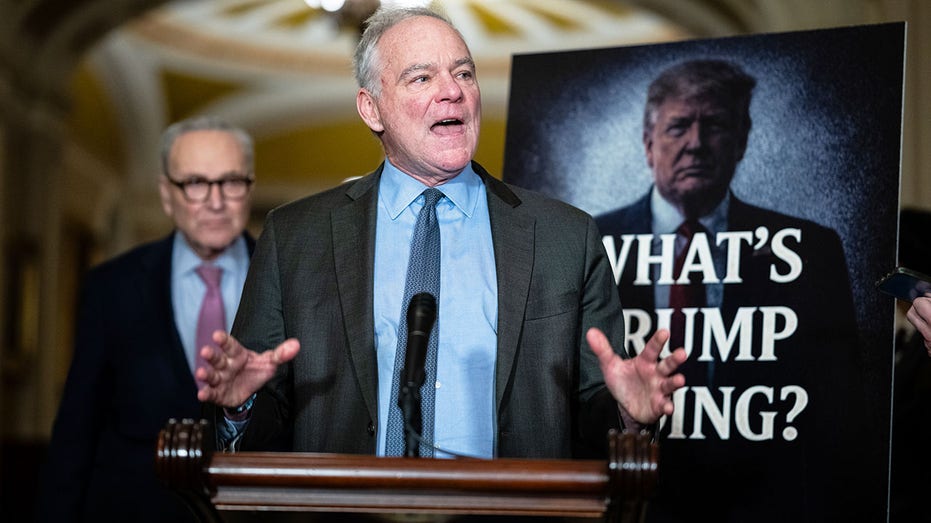
The raid has sparked immediate backlash on Capitol Hill. Sen. Tim Kaine (D-Va.) urged Congress to "get its a-- off the couch" and reclaim war powers from the executive branch, citing the surprise weekend operation as evidence of unchecked presidential authority. Kaine's resolution, reintroduced amid ongoing debates over U.S. involvement in Yemen and elsewhere, reflects bipartisan concerns—though Republicans have largely praised the move—about the balance of military decision-making in the post-January 6 era.
President Trump amplified the geopolitical ripple effects by posing with a "Make Iran Great Again" hat in a social media post following the abduction, renewing threats to strike Iran "very hard" should its security forces target anti-government protesters, according to Al Jazeera. This comes against a backdrop of heightened U.S.-Iran tensions, including Trump's 2018 withdrawal from the Iran nuclear deal and ongoing sanctions.
Domestically, the administration launched a major immigration enforcement operation in Minneapolis-St. Paul, deploying up to 2,000 Department of Homeland Security personnel for a monthlong crackdown targeting alleged large-scale fraud, Newsmax reported on Monday. The surge, which began earlier in the day, aims to address vulnerabilities in immigration processing amid claims of systemic abuse in the region, home to significant Somali-American and Hmong communities.
Trade policy saw a notable pivot as Trump announced a one-year delay in increased tariffs on upholstered furniture, kitchen cabinets, and vanities—goods largely imported from China—effective from January 1. This follows Trump's public celebration of tariffs generating "$600 billion" in revenue, which he described as vital for national security while criticizing media coverage, per Newsmax. The delay offers temporary relief to U.S. manufacturers and consumers facing higher costs but aligns with broader efforts to protect domestic industries amid a pending Supreme Court review of tariff legality.
National security alarms also rang over revelations that a businessman linked to Chinese Communist Party (CCP) intelligence owns two golf courses flanking a Louisiana Air Force base housing the command for two legs of America's nuclear triad. The Daily Caller News Foundation report, cited by Newsmax, highlights proximity risks to Barksdale Air Force Base, a hub for strategic bombers and intercontinental ballistic missiles, fueling debates on foreign investment near critical infrastructure.
Separately, Israel voiced criticism of New York City Mayor Zohran Mamdani's decision to revoke pro-Israel policies, including adoption of the International Holocaust Remembrance Alliance (IHRA) definition of antisemitism. The move, announced January 2, has prompted concerns that it could embolden antisemitic sentiments in the diverse metropolis.
Background and Context
These events unfold against a tense global landscape. Maduro's 2019 clash with U.S.-backed opposition leader Juan Guaidó led to crippling sanctions that slashed Venezuela's oil exports, exacerbating its humanitarian crisis. Trump's tariff regime, initiated in 2018, has evolved into a tool for countering China's economic influence, generating substantial revenue but inflating consumer prices. Immigration enforcement has intensified post-2024 election, with Minneapolis—a 2020 protest flashpoint—now a focus for fraud probes. Chinese espionage fears have grown since the 2020s, with U.S. laws tightening scrutiny of foreign land purchases near military sites.
Outlook
As Maduro's fate and Venezuela's stability hang in balance, congressional pushback on war powers could test Trump's agenda. The Minneapolis operation and tariff tweaks signal sustained focus on borders and trade, while the Louisiana golf course issue may spur new restrictions on CCP-linked investments. With Iran threats renewed, analysts watch for escalations that could reshape alliances in Latin America, Asia, and the Middle East. These moves position the U.S. at the forefront of geopolitical friction, balancing assertiveness with domestic pressures ahead of midterm elections.
(Word count: 712)
Track this story live
Live World Map
Monitor global events in real time with a live activity map and hotspot summaries.
Markets
Connect live events to Catalyst market signals across crypto, commodities, indices, and forex.
Geopolitical Risk
Live geopolitical risk index tracking conflict zones, sanctions, and global threat levels.
Original Sources
- •
- •
- •
- •
- •
- •
Editorial process: This article was synthesized from the original sources cited above using The World Now's AI editorial system, with byline accountability from our editorial team. We grade every story for source grounding, factual coherence, and on-topic match before publication. Read more about our editorial standards and contributors. Spot something inaccurate? Let us know.
Last updated: January 28, 2026






