
U.S. Drone Strike on Venezuelan Drug Facility Raises Tensions
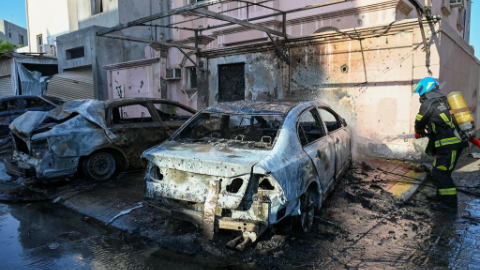
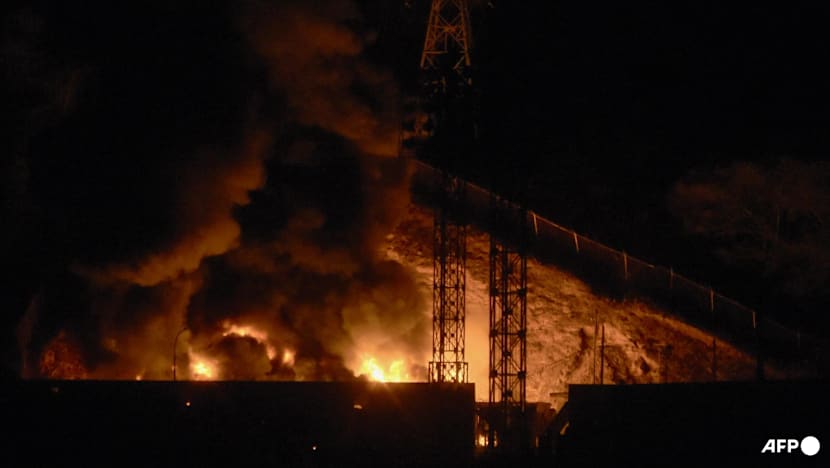
In a significant escalation of U.S. military involvement in Latin America, President Donald Trump announced a drone strike on December 31, 2025, targeting a facility in Venezuela allegedly linked to drug trafficking operations. The attack, which reportedly involved a CIA-operated drone, marks a decisive move in U.S. efforts to combat narcotics trafficking emanating from Venezuelan territory. This incident has sparked international concern regarding the implications for U.S.-Venezuela relations and broader geopolitical stability in the region.
The strike targeted a facility believed to be connected with networks distributing narcotics, a move that President Trump described as necessary to combat the growing influence of drug cartels in South America. According to international security experts, this operation reflects a continuation of U.S. efforts to exert pressure on the government of Venezuelan President Nicolás Maduro, which has been accused of collaborating with such criminal enterprises. "If the strike on Venezuela is considered a success, there will be anxiety about where President Trump's attention will turn to next," said Stefan Wolff, a professor of international security, emphasizing the unpredictable nature of U.S. foreign policy under the current administration.
Following the strike, the Venezuelan government condemned the U.S. action as an "act of aggression" and a violation of its sovereignty. Venezuelan officials have consistently claimed that the U.S. has been attempting to destabilize the Maduro regime through various means, including economic sanctions and military threats. The strike further complicates the already tense relations between the two nations, which have been strained for years over issues such as human rights abuses, economic mismanagement, and allegations of U.S. imperialism.
The attack comes amidst a backdrop of heightened tensions in the region, particularly as the world continues to grapple with the ramifications of the ongoing conflicts in Ukraine and the Middle East. Observers note that this escalation could set a precedent for future U.S. military actions in Latin America, raising concerns about the potential for further military interventions.
Background on U.S.-Venezuela relations reveals a long history of animosity, particularly since the election of Maduro in 2013. The U.S. has levied a series of sanctions against Venezuelan officials and state-owned entities, claiming human rights violations and corruption. In recent years, the Maduro government has faced increasing pressure from opposition groups and has been accused of engaging in drug trafficking to fund its operations, further complicating the humanitarian crisis affecting the Venezuelan people.
As the international community reacts to the drone strike, analysts are beginning to ponder the broader implications of U.S. military actions in Venezuela. The strike could not only lead to a potential increase in retaliatory measures from the Maduro government but may also provoke responses from other regional players, such as Russia and China, who have historically supported Caracas in its conflicts with the U.S.
In conclusion, the U.S. drone strike on a Venezuelan drug facility represents a significant shift in U.S. foreign policy towards direct military engagement in Latin America. As the situation evolves, the potential for increased instability in the region remains a key concern for international observers. The coming weeks will likely reveal how both the U.S. and Venezuelan governments will navigate this latest chapter in their fraught relationship.