
US Cyber Frontlines Amid Middle East Strike: How Emerging Threats Are Redefining Geopolitical Alliances with Iran and Russia Tensions
By the Numbers
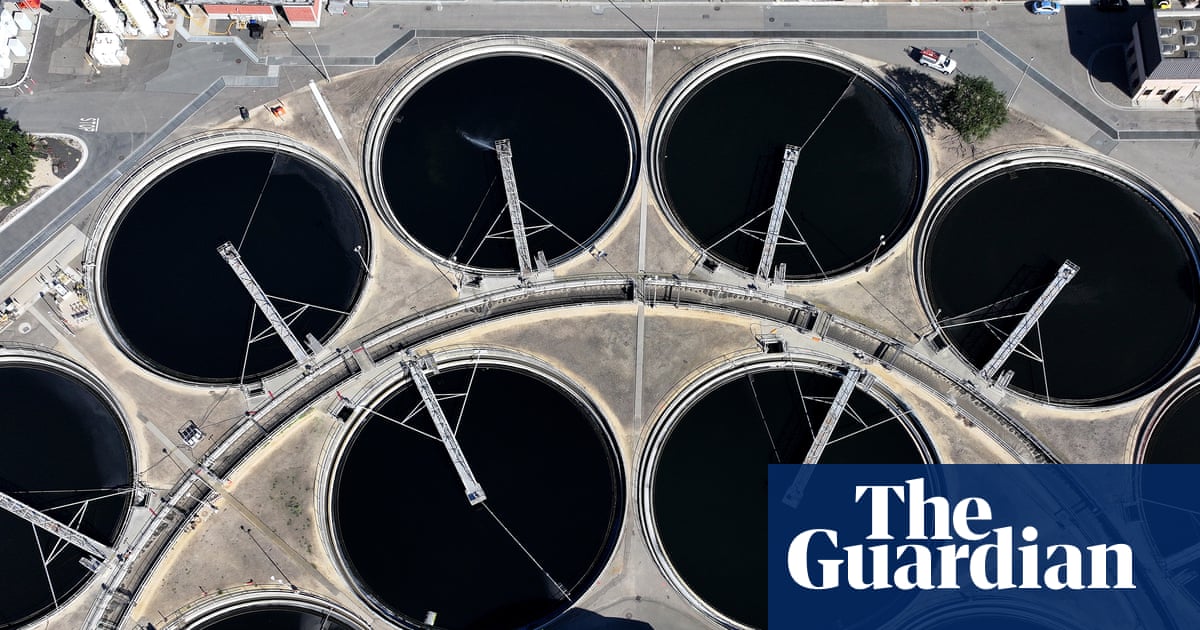
- Iranian Cyber Targets: US officials report Iran-linked hackers, including groups like those tied to the Islamic Revolutionary Guard Corps (IRGC), have probed or attempted intrusions into over 20 US water treatment facilities and 15 energy sector networks since early April 2026, per cybersecurity advisories from CISA (Cybersecurity and Infrastructure Security Agency).
- Russian DNS Hijack Scale: The Justice Department dismantled a network that rerouted over 1 million DNS queries daily, affecting global military communications and potentially enabling espionage on NATO allies; the operation involved servers in 12 countries and had been active since at least 2024.
- Ceasefire Timeline: Trump's two-week suspension of bombing campaigns, announced April 8, follows a March 20 drone incursion over US air bases and comes amid oil price volatility—Brent crude dipped 5% post-announcement but remains 15% above pre-tension levels due to Hormuz fears.
- Economic Ripples: The World Now Catalyst AI forecasts OIL + (high confidence) with a potential 10-15% surge if Hormuz disruptions persist, echoing the 15% spike from 2019 Saudi Aramco attacks; SPX - (medium-high confidence, up to 3-5% drawdown) from risk-off sentiment; BTC/ETH/XRP/SOL - (medium confidence, 8-12% drops) as crypto liquidations cascade.
- Historical Precedent Metrics: Cyber incidents mirror 2022 Ukraine war patterns, where Russian hacks disrupted 30% of Ukrainian power grids; US rare earth dependencies highlighted by Lynas-Pentagon deal on March 16 supply 40% of critical minerals for cyber defenses.
- Human Impact: Potential water sector breaches could affect 50 million Americans reliant on vulnerable SCADA systems; energy hacks risk outages for 10-20% of the US grid in targeted regions.
These figures illuminate not just technical breaches but the human stakes: families facing contaminated water, businesses crippled by blackouts, and communities on the brink amid hybrid threats blending cyber with physical incursions. Track broader implications via our Global Risk Index.
What Happened Amid Middle East Strike
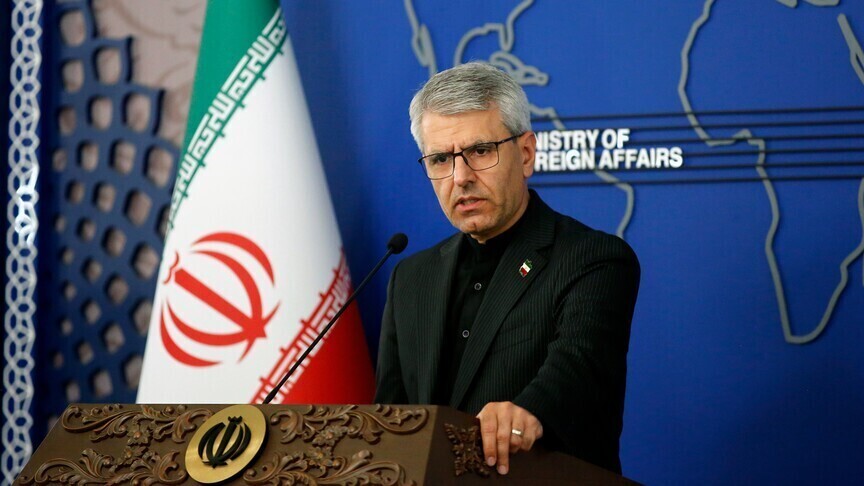
The sequence of events unfolded rapidly in early April 2026, marking a pivotal shift toward cyber domains as primary battlegrounds. On April 7, the Guardian reported US warnings of Iran-affiliated cyberattacks targeting critical infrastructure nationwide, with Newsmax detailing specific probes into US water and energy sectors by IRGC-linked hackers. These followed CISA alerts about malware campaigns exploiting unpatched vulnerabilities in industrial control systems (ICS), reminiscent of past Iranian operations like the 2022 Albania ransomware attack.
Concurrently, the US Justice Department announced the disruption of a Russian military-run DNS hijacking network, as covered by Straits Times and Google News aggregates. This operation, dubbed "Turla" variants by experts, manipulated domain name system traffic to spy on military targets, including US and NATO communications. The takedown involved international cooperation with allies like the UK and Australia, seizing servers and indicting operatives.
This cyber escalation intersected with kinetic tensions: President Trump, facing criticism as "crazy" for apocalyptic threats (Bangkok Post), announced a two-week ceasefire with Iran on April 8, per Yonhap, Japan Times, and In-Cyprus. The deal suspends US bombing in exchange for Iran reopening the Strait of Hormuz, a chokepoint for 20% of global oil. VG.no noted a sharp oil price drop post-announcement, reflecting market relief but underscoring fragility.
Contextually, Defense One highlighted US Army efforts to address battlefield data problems in real-time, revealing operational strains from cyber interference. These events build on a March timeline: Lynas-Pentagon rare earth deal (3/16) exposed supply chain risks for hardware in cyber defenses; Russia-China UN veto on Iran sanctions (3/18); divisions among LA's Iranian community (3/18), as explored in Diaspora Divide Amid Middle East Strike: How Iranian-American Voices Are Steering US Geopolitics; and drones over US bases (3/20). Recent escalators include Iran's UN complaint on "nuclear terrorism" (4/5), US expulsion of IRGC-linked academic (4/5), and Pentagon AI strike programs (4/5).
Confirmed: CISA warnings, DOJ disruption, Trump's ceasefire announcement. Unconfirmed: Direct links between ceasefire and cyber de-escalation; scale of successful Iranian breaches (probes reported, no major outages).
Historical Comparison
Today's cyber frontlines echo yet redefine past hybrid warfare patterns. The 2022 Russia-Ukraine conflict saw cyberattacks precede invasions—NotPetya wiped $10B in damages, disrupting 30% of Ukraine's grid—mirroring current Iran-US water/energy probes. Iran's playbook recalls 2010 Stuxnet (US-Israel vs. Iran nukes) and 2021 Colonial Pipeline ransomware, where vulnerabilities forced fuel shortages affecting millions.
Russia's DNS hijacking parallels its 2016 DNC hacks and 2024 election interference, but the DOJ takedown evokes US successes like 2021 REvil ransomware busts. Trump's conditional ceasefire draws from 2019 Soleimani strike aftermath, where US-Iran tensions spiked oil 4% and cyber probes; DXY rose 1% then, akin to current safe-haven bids.
The March 2026 timeline amplifies patterns: Lynas deal (3/16) underscores rare earth dependencies (US imports 80% from China allies), fueling cyber leverage over supply chains—compare to 2010 REE crisis. Russia-China UN block (3/18) signals "no-limits" cyber pacts, like 2022 joint drills. LA Iranian divisions (3/18) humanize diaspora tensions, echoing 1979 hostage crisis splits. Drone detections (3/20) blend with cyber, as in 2023 Houthi incursions.
Emerging pattern: Cyber as "gray zone" precursor to kinetics, shifting alliances—US bolsters QUAD/AUKUS cyber pacts, distinct from oil/mineral focus. Unlike Cold War proxies, digital vulnerabilities humanize stakes: a grid hack could strand elderly in blackouts, far beyond headlines. See related analysis in Geopolitical Shifts Amid Middle East Strike: How US-Iran Tensions are Reshaping Emerging Markets and Trade Corridors.
AI Prediction
The World Now Catalyst AI analyzes market impacts from these cyber-geopolitical tensions amid the Middle East strike, attributing movements to risk-off dynamics, oil supply fears, and safe-haven flows. Key forecasts (as of April 8, 2026):
- OIL: + (high confidence) — Ukrainian strikes on Russian terminals, Trump ultimatums, and Hormuz risks curb supply; precedent: 2019 Aramco drones +15% intraday. Key risk: De-escalation/repairs.
- SPX: - (medium-high confidence, 3-5%) — Risk-off from aviation/equity CTAs, Boeing echoes (2019 MAX -5%); compounded by cyber disruptions to defense stocks.
- USD: + (high confidence) — Safe-haven amid Mideast shocks; 2022 Ukraine DXY +2% in 48h. Key risk: Fed intervention.
- BTC: - (medium confidence, 8-12%) — Liquidations as high-beta; 2022 Ukraine -10%. Key risk: ETF dip-buying.
- ETH: - (medium confidence) — BTC-correlated; 2022 -8-12%.
- XRP/SOL: - (low confidence) — Altcoin cascades; 2022 -10-15%.
- TSM: - (low confidence) — Semi supply fears from Asia/Mideast spillovers; 2022 Ukraine -5%.
- CHF: + (medium) / EUR: - (medium) — Safe-haven vs. risk currency shifts; 2019 Iran +1% CHF.
These predictions highlight cyber threats amplifying traditional geo-risks, with oil as primary driver.
Predictions powered by The World Now Catalyst Engine. Track real-time AI predictions for 28+ assets at Catalyst AI — Market Predictions.
What's Next
A two-week ceasefire offers a narrow window, but cyber operations may intensify as proxies for denied kinetics. Watch triggers: Hormuz shipping disruptions (escalation vector, risking 20% oil spike per Catalyst AI); Iranian retaliatory hacks post-DOJ moves, potentially targeting allies like Saudi Aramco (2019 precedent). US responses—enhanced CISA mandates, NATO cyber accords—could harden infrastructure but strain budgets (+$10B projected).
Longer-term: Cyber arms race reshapes alliances, with US prioritizing digital sovereignty via QUAD cyber pacts or domestic chip fabs (post-Lynas). Russia-China-Iran axis amplifies risks, as UN blocks signal. Human angle: Investments in resilient grids protect vulnerable populations; failure risks societal fractures.
Scenarios: (1) De-escalation if Hormuz reopens—markets rebound, cyber probes wane; (2) Proxy escalation—drone/cyber swarms draw NATO, boosting defense stocks; (3) Breakthrough hacks force concessions, redefining deterrence.
What This Means
The Middle East strike is not just a military flashpoint but a catalyst for cyber dominance in geopolitics, compelling the US to forge tighter alliances against Iran and Russia while safeguarding critical infrastructure. Everyday citizens face real risks from these digital battles, urging proactive defenses and policy shifts. This evolving landscape demands vigilance, as cyber threats could tip balances in global power structures.
This is a developing story and will be updated as more information becomes available.
Catalyst AI Market Prediction
Our AI prediction engine analyzed this event's potential market impact:
- SPX: Predicted - (medium confidence) — Causal mechanism: Aviation safety event prompts regulatory reviews/groundings hitting airline stocks (5-10% S&P weight), compounded by oil shock risk-off sentiment. Historical precedent: March 2019 Boeing 737 MAX groundings caused affected airline stocks to fall 10-20%, dragging SPX ~2% lower initially. Key risk: If event deemed isolated with quick fixes, sector selling halts.
- USD: Predicted + (low confidence) — Causal mechanism: Geopolitical oil shocks drive safe-haven flows into USD as global funding currency amid supply fears. Historical precedent: February 2022 Ukraine invasion saw DXY rise ~2% in 48h on risk-off. Key risk: Sudden de-escalation shifts flows to risk assets.
- XRP: Predicted - (low confidence) — Causal mechanism: Geopolitical risk-off triggers crypto liquidation cascades, with XRP following BTC lead amid thin liquidity. Historical precedent: February 2022 Ukraine invasion dropped BTC/XRP ~10% in 48h initially. Key risk: Crypto decoupling if oil fears prove contained.
- TSM: Predicted - (low confidence) — Causal mechanism: Risk-off sentiment spills to semis via global trade fears from Mideast disruptions. Historical precedent: February 2022 Ukraine war saw TSM drop ~5% initially on supply chain worries. Key risk: China/Taiwan de-escalation boosts semis.
- OIL: Predicted + (high confidence) — Causal mechanism: Ukrainian strike on Russian oil terminal and Trump ultimatum threatening Iranian infrastructure directly curb global oil supply via disrupted terminal capacity and Hormuz chokepoint risks. Historical precedent: Similar to September 2019 Saudi Aramco drone attacks when oil surged over 15% in one day. Key risk: rapid repair announcements or de-escalation signals from Iran/US reduce supply fears immediately.
- SOL: Predicted - (low confidence) — Causal mechanism: High-beta crypto amplifies BTC risk-off selling from geopolitical shocks via leveraged liquidations. Historical precedent: February 2022 invasion dropped SOL ~15% in 48h tracking BTC. Key risk: Meme/altcoin rebound on oversold bounce.
- BTC: Predicted - (medium confidence) — Causal mechanism: Risk-off flows treat BTC as high-beta asset, triggering spot/futures selling on oil geopolitics. Historical precedent: February 2022 Ukraine invasion dropped BTC 10% in 48h before recovery. Key risk: Institutional dip-buying via ETFs reverses quickly.
- ETH: Predicted - (medium confidence) — Causal mechanism: Correlated to BTC risk-off unwind on geopolitical headlines via DeFi leverage. Historical precedent: February 2022 invasion dropped ETH ~12% in 48h. Key risk: Staking yields attract inflows countering selloff.
- CHF: Predicted + (medium confidence) — Causal mechanism: Safe-haven bid strengthens CHF amid geo risk-off. Historical precedent: 2019 US-Iran tensions CHF +1% vs EUR. Key risk: ECB hawkishness.
- EUR: Predicted - (medium confidence) — Causal mechanism: Risk-off weakens EUR vs safe havens amid Baltic/Ukraine tensions. Historical precedent: 2022 Ukraine EUR -5% in week. Key risk: ECB rate surprise.
Predictions powered by The World Now Catalyst Engine. Track real-time AI predictions for 28+ assets.