US-Cuba Tensions Escalate Following Venezuela Operation

Latest from X
US-Cuba Tensions Escalate Following Venezuela Operation
Washington D.C. – Tensions between the United States and Cuba have intensified in the wake of a recent U.S. military operation in Venezuela, with sharp rhetoric from top American officials signaling potential new challenges for the Caribbean nation. U.S. Secretary of State Marco Rubio has labeled Cuba a "huge problem" and warned that the Cuban government is "in a lot of trouble," while President Donald Trump has called Cuba a "failing nation," expressing a desire to "help its people." These statements, made on January 4, 2026, come amidst international backlash over the U.S. action in Venezuela, including strong condemnation from Cuba's leadership.
The U.S. operation in Venezuela, which resulted in the capture of Venezuelan President Nicolás Maduro, has sent shockwaves through Latin America. Maduro, a long-time ally of Cuba, was apprehended and transported to New York to face federal charges related to drug trafficking and ties to organizations designated as terrorist groups, according to reports from CBS News and NBC News. Following the operation, President Trump declared that the U.S. would temporarily "run" Venezuela until a safe transition could be ensured, a move that has drawn both criticism and concern from regional allies.
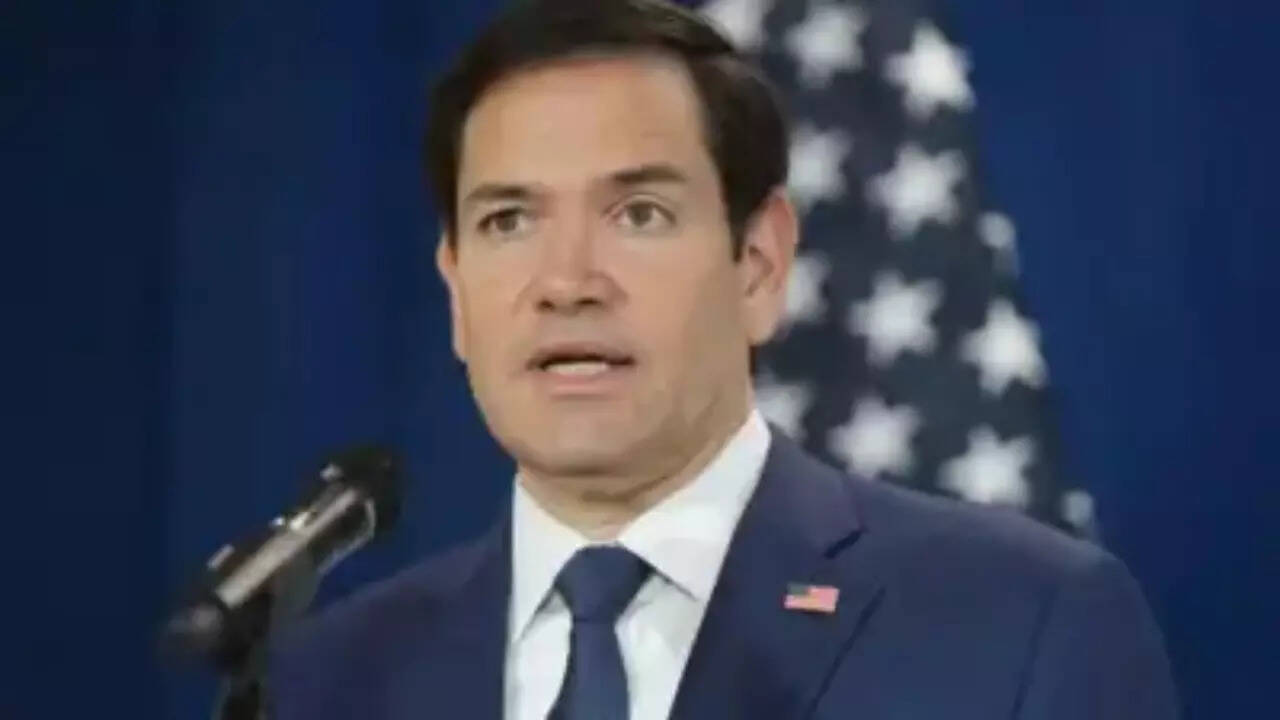
In the aftermath, attention has shifted to Cuba, which has historically supported the Maduro regime through intelligence and security assistance. Speaking to the press, Rubio emphasized Cuba's role in propping up Maduro, suggesting that the island nation’s influence in the region is now under renewed scrutiny. "If I lived in Havana and I was in the government, I’d be concerned at least a little," Rubio stated, as reported by the Times of India. His comments echoed earlier sentiments shared on social media platforms, where he described Cuba as a "disaster" run by "incompetent" leaders.
President Trump, meanwhile, has taken a slightly different tone, framing Cuba’s struggles as an opportunity for U.S. intervention. "We’ll be talking about Cuba because it’s a failing nation," Trump said during a press appearance. "We want to help the people of Cuba." While specifics of any potential U.S. action remain unclear, the rhetoric has heightened fears of escalating geopolitical conflict in the Western Hemisphere, especially following Trump’s broader regional warnings reported by POLITICO.
Background on US-Cuba Relations
The relationship between the United States and Cuba has been fraught for decades, marked by the U.S. embargo imposed in 1962 following the Cuban Revolution and the rise of Fidel Castro. Despite a brief thaw during the Obama administration, which saw the restoration of diplomatic ties in 2015, relations deteriorated under the Trump administration’s first term with tightened sanctions and Cuba’s designation as a state sponsor of terrorism. Cuba’s close ties with Venezuela, particularly under Maduro, have long been a point of contention, with U.S. officials accusing Havana of enabling authoritarian regimes in the region.
Cuba’s economy, already strained by decades of sanctions and internal challenges, has faced additional pressure in recent years due to reduced Venezuelan oil subsidies and the impact of the COVID-19 pandemic on tourism. These economic woes have fueled internal unrest, including rare protests in 2021, which were met with government crackdowns. The Cuban government has consistently blamed the U.S. embargo for its economic struggles, a narrative that has garnered sympathy from some international observers.
International Reactions and Cuban Response
The Cuban government has vehemently condemned the U.S. operation in Venezuela, viewing it as a violation of sovereignty and a direct threat to its own security. Cuban President Miguel Díaz-Canel has called the action "imperialist aggression," accusing the United States of destabilizing the region for its own interests. This stance aligns with broader criticism from some U.S. allies, who have expressed concern over the precedent set by unilateral military intervention, as noted in the Times of India report.
Outlook
As the situation unfolds, analysts are closely monitoring whether the U.S. will translate its rhetoric into concrete policy toward Cuba. While Rubio’s warnings and Trump’s comments suggest a hardline approach, no specific measures have been announced. The international community, particularly Latin American nations, remains on edge, wary of further U.S. actions that could exacerbate regional instability. For now, Cuba finds itself in a precarious position, caught between domestic challenges and the looming shadow of U.S. geopolitical strategy.
Track this story live
Live World Map
Monitor global events in real time with a live activity map and hotspot summaries.
Markets
Connect live events to Catalyst market signals across crypto, commodities, indices, and forex.
Geopolitical Risk
Live geopolitical risk index tracking conflict zones, sanctions, and global threat levels.
Original Sources
- •
- •
Editorial process: This article was synthesized from the original sources cited above using The World Now's AI editorial system, with byline accountability from our editorial team. We grade every story for source grounding, factual coherence, and on-topic match before publication. Read more about our editorial standards and contributors. Spot something inaccurate? Let us know.
Last updated: January 18, 2026






