
U.S. Charts New Course in Global Relations: Exits India-Led Solar Alliance, Eases Restrictions on Chinese Drones
WASHINGTON — The United States has undertaken two notable geopolitical maneuvers in the past week, withdrawing from the India-led International Solar Alliance (ISA) and scrapping a proposed blacklist on Chinese-made drones, moves that highlight evolving priorities under President Donald Trump's administration amid efforts to recalibrate international partnerships.
The U.S. exit from the ISA, announced on January 8, 2026, marks a departure from prior commitments to multilateral climate initiatives. The decision, attributed directly to Trump, underscores a shift away from collaborative frameworks centered on renewable energy transitions. The ISA, aimed at promoting solar energy adoption among member states, represents a platform where the U.S. had previously held observer status.
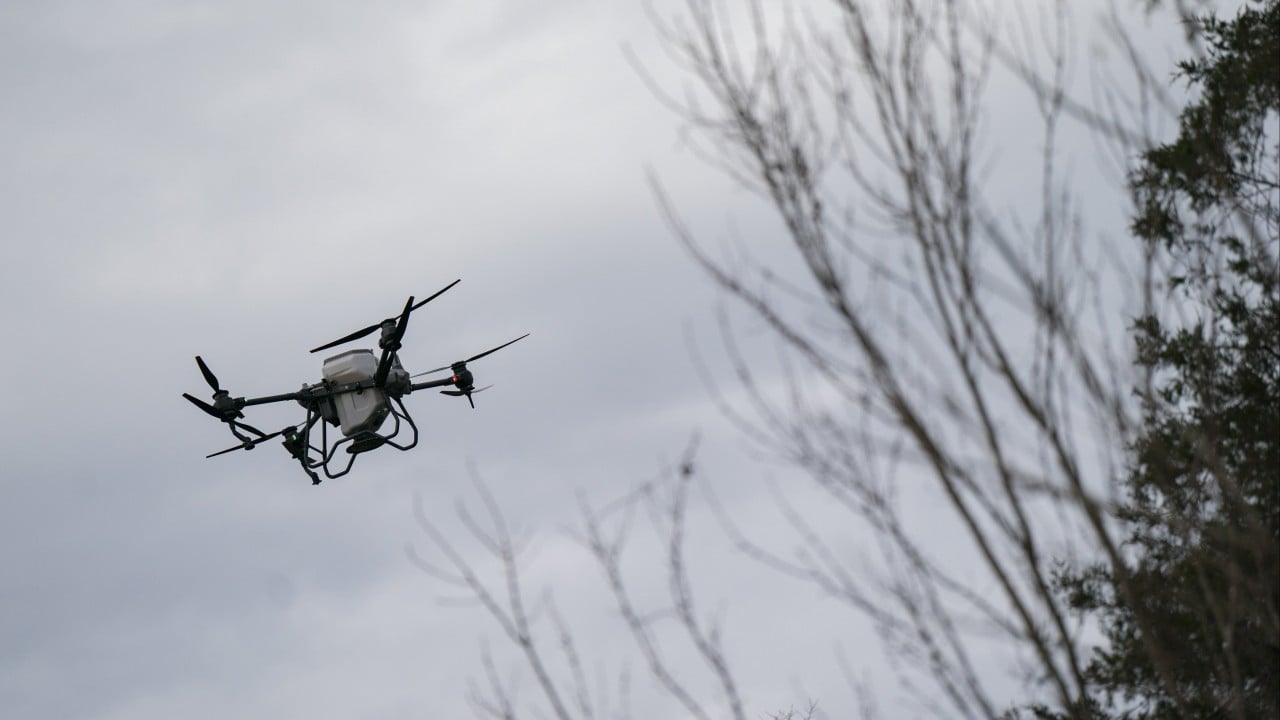
Simultaneously, on January 9, the U.S. Commerce Department revoked plans to impose restrictions on Chinese drones, a policy originally floated to address national security risks posed by devices from manufacturers like DJI, which dominate the global market. This reversal comes ahead of a planned spring summit between Trump and Chinese President Xi Jinping, reflecting a broader strategy to maintain stable bilateral ties.
Details on the Solar Alliance Withdrawal
The International Solar Alliance, co-founded by India and France in 2015 during the COP21 climate summit in Paris, seeks to mobilize over $1 trillion in investments for solar projects by 2030, targeting 121 sunny countries. The group focuses on reducing dependence on fossil fuels through technology transfer, financing, and capacity building. As of late 2025, it had grown to include dozens of full members and observers, with India playing a pivotal leadership role under Prime Minister Narendra Modi.
The U.S. joined the ISA as an observer in 2021 during the Biden administration, aligning with broader pledges under the Paris Agreement. Trump's withdrawal reverses this stance, aligning with his past skepticism toward international climate accords. During his first term (2017-2021), the U.S. exited the Paris Agreement itself, citing economic burdens on American workers. No official statement from the White House detailed the rationale beyond the announcement, but it coincides with Trump's emphasis on domestic energy production, including fossil fuels and nuclear power, over multilateral green initiatives.
This move could strain U.S.-India relations, which have warmed in recent years through the Quad alliance (U.S., India, Japan, Australia) countering Chinese influence in the Indo-Pacific. India, hosting the ISA headquarters in Gurugram, has positioned the alliance as a flagship of its global south leadership on climate issues.
Commerce Department Backs Off Drone Restrictions
In a related development signaling a thaw with China, the Commerce Department's decision to drop the drone blacklist prioritizes diplomacy over security hawks' concerns. Chinese firms, particularly Shenzhen-based DJI, control over 70% of the U.S. consumer and commercial drone market, raising fears of data vulnerabilities and espionage risks. Proposed rules would have added these drones to the U.S. Entity List, limiting exports of U.S. components.
The revocation, as reported by the South China Morning Post, exemplifies the Trump administration's caution against actions that could derail upcoming high-level talks. “This decision underscores President Trump’s desire to sustain the trade framework that he and President Xi approved this past October and ensure a cordial meeting between the two,” the report stated, quoting sources familiar with the matter.
The October 2025 trade framework emerged from negotiations easing some tariffs from the 2018-2020 U.S.-China trade war, which imposed billions in duties on goods from both sides. That conflict disrupted supply chains but led to a Phase One deal in 2020. Recent de-escalation reflects mutual economic pressures, including U.S. inflation concerns and China's slowing growth.
Background and Context
These actions occur against a backdrop of Trump's second-term foreign policy, which prioritizes bilateral deals over multilateralism—"America First" redux. On climate, Trump has consistently argued that agreements like the Paris Accord disadvantage U.S. industry, favoring instead innovation-driven approaches without binding targets. The ISA exit echoes the 2017 Paris withdrawal, reinstated briefly under Biden before Trump's 2024 reelection.
U.S.-China dynamics remain tense yet pragmatic. Drones have been a flashpoint: In 2020, the Pentagon blacklisted DJI over security risks, and Congress has pushed bans on federal use. However, commercial reliance persists, with applications in agriculture, filmmaking, and disaster response. The summit's anticipation suggests Trump aims to build on October's progress, potentially addressing semiconductors, electric vehicles, and intellectual property.
India-U.S. ties, bolstered by $190 billion in annual trade and joint military exercises, face a test. Modi's government has championed the ISA as a counter to Western-dominated climate forums, and the U.S. pullout may prompt questions about Washington's commitment to green tech partnerships.
Implications and Outlook
Analysts note these steps could reshape alliances. The solar exit might accelerate U.S. bilateral climate deals, such as those with the UAE or Israel on clean energy, while freeing resources for domestic incentives like the Inflation Reduction Act's remnants. On China, avoiding drone sanctions preserves market access but invites criticism from security advocates in Congress.
As the Trump-Xi summit approaches—potentially in April or May—observers await details on trade concessions. Meanwhile, the ISA continues operations, with India urging other nations to deepen engagement. These events illustrate a U.S. recalibration: prioritizing transactional diplomacy amid global challenges like energy security and technological rivalry.
(Word count: 712)






