US Captures Maduro in Caracas Raid, Charges Him with Drug Trafficking Amid Venezuela Power Vacuum

Latest from X
US Captures Maduro in Caracas Raid, Charges Him with Drug Trafficking Amid Venezuela Power Vacuum
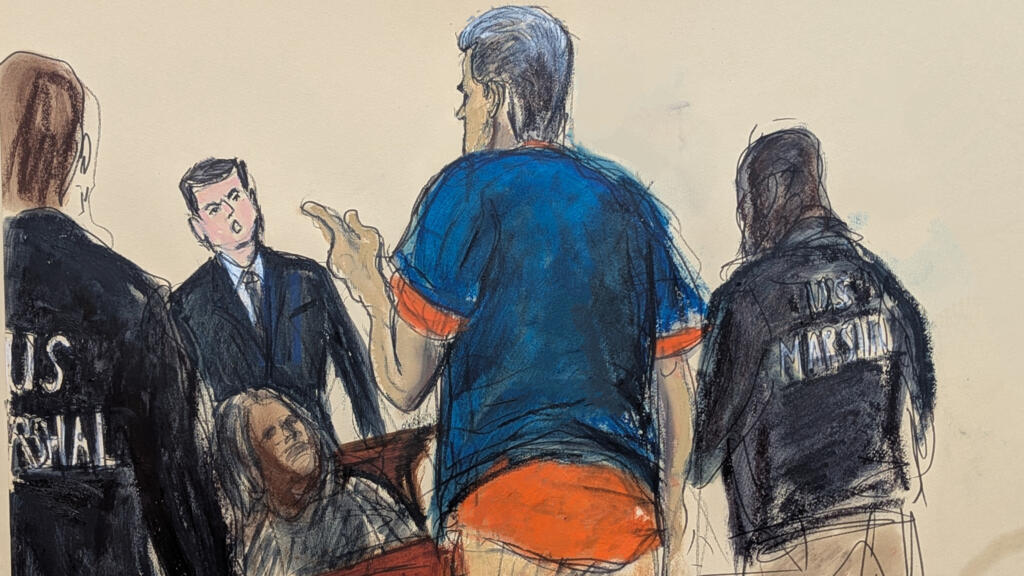
New York/Washington/Caracas — In a stunning escalation of long-simmering tensions, Venezuelan President Nicolás Maduro appeared in a Manhattan federal court on Monday, pleading not guilty to narcotics trafficking charges following his capture by U.S. forces in Caracas. The operation, described by U.S. officials as a targeted law enforcement action, has thrust Venezuela into political uncertainty, with Delcy Rodríguez emerging as interim leader and U.S. lawmakers debating the path forward.
The dramatic events unfolded against a backdrop of heightened military friction between the U.S. and Venezuela. Just days earlier, on January 2, Maduro had signaled openness to talks with Washington on drug trafficking issues, even as he sidestepped questions about alleged U.S. strikes on Venezuelan drug infrastructure. Those overtures quickly gave way to action: U.S. special operations forces extracted Maduro from the capital, delivering him to face longstanding indictments related to his alleged role in facilitating cocaine shipments to the United States via the so-called "Cartel de los Soles."
France24 reported that the move by President Donald Trump "sent shockwaves through world capitals," prompting debates over the legality of unilateral U.S. military intervention in a sovereign nation. Maduro, who has ruled Venezuela since 2013 amid economic collapse, hyperinflation, and disputed elections, was toppled in what some outlets framed as Trump "seizing control" of the oil-rich South American country.
Congressional Briefings and Next Steps
As Maduro's court appearance dominated headlines, U.S. Secretary of Defense Pete Hegseth and Secretary of State Marco Rubio briefed congressional leaders on the operation and Venezuela's future. According to the Associated Press, the closed-door session addressed mounting questions about dealing with the remnants of the Maduro government, including the role of Rodríguez, Maduro's longtime vice president and a figure under U.S. sanctions since 2019 for alleged human rights abuses and corruption.
Rodríguez, 56, has swiftly positioned herself as Venezuela's interim president, a development viewed with skepticism by critics. A former Venezuelan official warned Fox News that Rodríguez "hates the West," portraying her as a continuity candidate for Maduro's socialist regime rather than a break from it. Sanctioned by the U.S. Treasury for her role in undermining democracy, Rodríguez's ascent raises concerns about prolonged instability in a nation already grappling with mass migration—over 7.7 million Venezuelans have fled since 2014, according to United Nations estimates.
U.S. Republicans have rallied behind the operation. Rep. Brandon Gill (R-Texas) told Newsmax that the capture exemplified "how U.S. foreign policy should work," calling it "legal" and essential for protecting American interests and regional stability. "This was not only legal but represented how American foreign policy should be conducted," Gill said, emphasizing Maduro's indictments under prior administrations.
Background: A Decade of Crisis and Confrontation
Venezuela's turmoil traces back to the death of Hugo Chávez in 2013, when Maduro assumed power amid falling oil prices that devastated the economy. Accused by the U.S. of narco-terrorism since 2020—when the Justice Department indicted him and top aides for conspiring to flood the U.S. with cocaine—Maduro retained control through contested elections, including the disputed 2024 presidential vote that sparked global condemnation.
The U.S. has long imposed sanctions on Maduro's inner circle, recognizing opposition figure Juan Guaidó as interim president in 2019 before that effort faded. Trump's return to the White House in January 2025 revived aggressive postures, including recent claims of U.S. actions against Venezuelan drug networks. Posts on X (formerly Twitter) reflected divided sentiment, with some users hailing Hegseth's involvement as a "Trump Doctrine" triumph, while others speculated on Delta Force operations—though such claims remain unverified and inconclusive.
Internationally, reactions have been muted so far. Allies like Russia and China, which have backed Maduro with loans and military aid, have yet to issue formal statements, but the operation risks straining hemispheric relations. Brazil and Colombia, key neighbors, have expressed concern over potential refugee surges.
Outlook: Uncertainty in Caracas
With Maduro in U.S. custody, Venezuela faces a precarious transition. Rodríguez's interim status lacks broad recognition, and opposition factions may challenge her rule. U.S. officials have not detailed plans for elections or aid, but the AP notes congressional focus on "next steps," potentially including lifted sanctions for cooperation or further pressure.
The operation underscores a shift in U.S. policy under Trump: from sanctions and diplomacy to direct action. Legal experts question its precedent under international law, citing sovereignty concerns, while supporters argue it targets indicted criminals. As Maduro's trial looms—potentially spanning months—Venezuela's future hangs in the balance, with risks of unrest, economic shocks, and broader geopolitical ripple effects in Latin America.
(Word count: 712)
Track this story live
Live World Map
Monitor global events in real time with a live activity map and hotspot summaries.
Markets
Connect live events to Catalyst market signals across crypto, commodities, indices, and forex.
Geopolitical Risk
Live geopolitical risk index tracking conflict zones, sanctions, and global threat levels.
Original Sources
- •
- •
- •
- •
- •
Editorial process: This article was synthesized from the original sources cited above using The World Now's AI editorial system, with byline accountability from our editorial team. We grade every story for source grounding, factual coherence, and on-topic match before publication. Read more about our editorial standards and contributors. Spot something inaccurate? Let us know.
Last updated: January 17, 2026