
US Capture of Maduro Ignites Geopolitical Firestorm in Venezuela, Drawing Condemnations and Uncertainty
Caracas, Venezuela – The U.S. military's capture of Venezuelan President Nicolás Maduro has plunged the oil-rich nation into a precarious limbo, eliciting sharp rebukes from Russia, Iran, and China while prompting travel warnings and urgent calls for swift elections amid ongoing economic pressures.
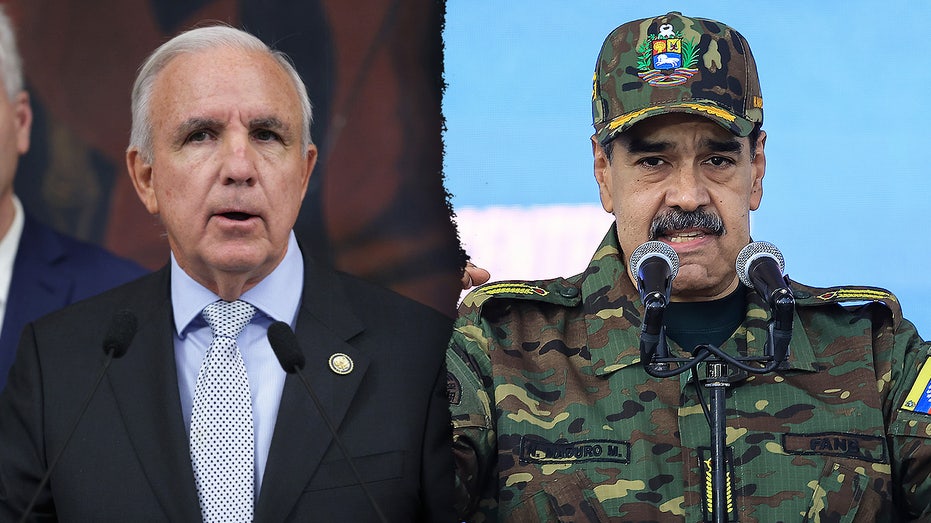
The dramatic operation, which deposed Maduro, marks a pivotal escalation in decades-long tensions between Washington and Caracas. U.S. Rep. Carlos Giménez, a Cuban-born Republican, emphasized the need for rapid democratic transition, stating that new elections must occur "in months, not years" following the intervention. Speaking to Fox News, Giménez underscored the fragility of the post-Maduro landscape, warning against prolonged instability.
Venezuelans themselves exhibit divided sentiments. At the Colombia border, France 24 reporters captured a spectrum of reactions: Maduro opponents celebrated his removal, viewing it as a long-overdue end to authoritarian rule, while supporters staged protests to affirm loyalty to the deposed leader. "We're waiting to see what happens next," one interviewee remarked, encapsulating the widespread anxiety over the nation's trajectory.
Global Powers React to Loss of Key Ally
Maduro's allies wasted no time in condemning the U.S. action. Russia, Iran, and China—longstanding backers providing economic and military support—voiced strong opposition. France 24 reported that the trio sees the capture as a direct threat to their strategic foothold in Latin America. For oil-dependent economies, U.S. control over Venezuela's vast reserves, managed by state oil company PDVSA, raises alarms about manipulated global prices, especially as markets already grapple with low crude values.
China, Venezuela's largest creditor with billions in loans tied to oil shipments, faces broader repercussions. Channel News Asia analysts noted Beijing's condemnation extends to implications for its Latin American investments and influence, potentially affecting dynamics around Taiwan and regional alliances. "The implications for Beijing run far deeper," the report stated, highlighting Venezuela as a linchpin in China's resource security strategy.
This geopolitical shift unfolds against recent developments underscoring Venezuela's defiance amid U.S. pressures. On December 30, 2025, oil tankers continued arriving despite a U.S. blockade designed to curb PDVSA's crude exports, signaling persistent efforts to sustain revenue streams. Just days later, on January 2, 2026, Maduro expressed openness to U.S. talks on drug trafficking—while sidestepping queries about a recent attack in Venezuela attributed to U.S. involvement—hinting at fleeting diplomatic overtures before his capture.
Heightened Security Concerns Prompt Travel Alerts
Escalating volatility has triggered international cautions. India issued a travel advisory on January 6, 2026, urging citizens to avoid non-essential trips due to "significant security and humanitarian concerns," including rampant crime, political unrest, and shortages of essentials. New Delhi echoed high-level warnings from the U.S., Canada, and Australia, providing emergency helpline details for stranded nationals (Times of India).
The advisory reflects broader humanitarian strains in Venezuela, where hyperinflation, sanctions, and migration crises have persisted since Maduro's 2013 ascension amid disputed elections and opposition challenges.
Uncertainty Over U.S. Strategy Under Trump
Questions loom largest over Washington's endgame. Al Jazeera detailed the opacity surrounding President Donald Trump's Venezuela blueprint post-abduction, noting that while the operation achieved Maduro's removal, next steps remain unclear. This vacuum fuels speculation about interim governance, oil sector reforms, and reconciliation with opposition figures.
In context, the U.S. has long imposed sanctions targeting PDVSA and Maduro's inner circle, aiming to counter alleged human rights abuses, election fraud, and narco-trafficking ties. Maduro's pre-capture nod to drug discussions aligned with U.S. accusations, but the military intervention represents an unprecedented direct action.
Outlook: Path to Stability or Further Chaos?
As Venezuelans brace for an undefined future, the capture disrupts alliances and oil flows, potentially stabilizing markets under U.S. oversight but risking proxy conflicts. Giménez's election timeline underscores U.S. pressure for legitimacy, yet domestic divisions and foreign meddling complicate stabilization. With tankers still docking and global powers recalibrating, Venezuela stands at a geopolitical crossroads, where resource control and democratic aspirations collide.
(Word count: 612)






