
US Asserts Control Over Venezuela's Oil Sector Following Maduro's Ouster Amid Diplomatic Tensions
Washington/T Caracas — In a swift geopolitical shift, the United States has moved to dominate Venezuela's vast oil industry after the ouster of longtime President Nicolás Maduro, announcing indefinite control over the country's oil sales and a new deal requiring purchases exclusively from American suppliers. The developments, unfolding against a backdrop of U.S. cyber operations and international calls for dialogue, mark a dramatic reconfiguration of power in the oil-rich South American nation.
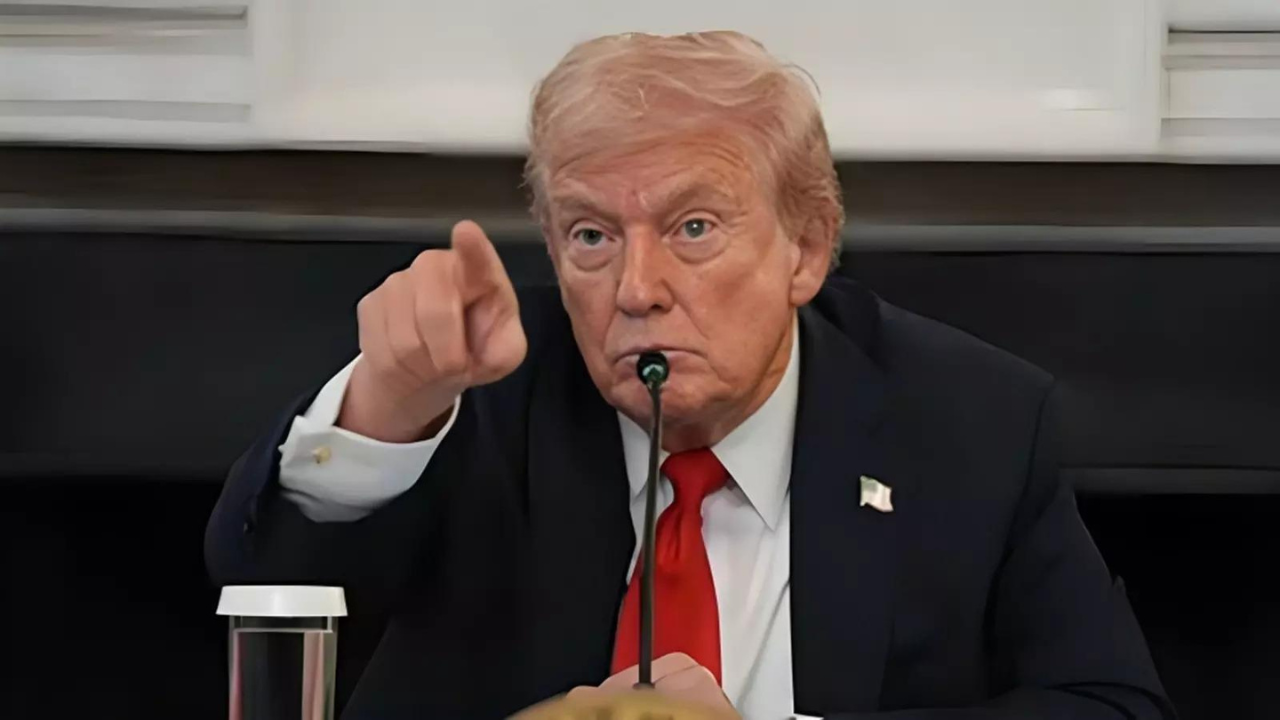
President Donald Trump revealed on Wednesday that Venezuela has agreed to spend funds from a fresh oil arrangement solely on "only American made products," including agricultural goods, medicines, and energy infrastructure equipment. "This significant shift positions the United States as Venezuela's primary commercial partner," Trump stated, describing the pact as "mutually beneficial for both nations." Similar reports from multiple outlets underscored the exclusivity of the deal, signaling a pivot from Venezuela's previous economic ties with Russia and China.
The announcements come days after U.S. cyber warfare operations played a pivotal role in Maduro's capture, described by analysts as a "turning point" in America's cyber capabilities. White House Press Secretary Karoline Leavitt further affirmed that the U.S. reserves the right to deploy military forces to safeguard American workers involved in Venezuela's oil sector following Maduro's removal. This post-ouster stance reflects heightened U.S. security concerns amid Venezuela's political volatility.
Compounding the developments, the Trump administration declared it would oversee Venezuela's oil sales "indefinitely," a move that has drawn sharp rebukes from United Nations experts. They warned that the nation's substantial oil reserves—one of the world's largest—"must not be cynically exploited," urging restraint in the wake of the leadership change.
These events follow a flurry of high-stakes diplomatic maneuvers. On January 2, Maduro expressed openness to discussions with the U.S. on drug trafficking but sidestepped questions about a recent attack in Venezuela that he attributed to American involvement. Just days later, on January 6, a former Trump adviser disclosed that Russia had proposed granting the U.S. a "free hand" in Venezuela in exchange for concessions on Ukraine, highlighting Moscow's strategic maneuvering to ease pressures on its ally.
International Reactions and Calls for Dialogue
The United Nations has positioned itself as a mediator amid escalating tensions. UN Secretary-General António Guterres offered "his good offices" to facilitate dialogue during a meeting with a Venezuelan envoy, according to a spokesperson. Guterres "reiterated his publicly-stated position on the U.S. military action in Venezuela," emphasizing support for peaceful resolutions.
Venezuela's geopolitical crisis has long been a flashpoint. Maduro, who assumed power in 2013 amid disputed elections, faced U.S. sanctions since 2017 over human rights abuses, corruption, and electoral fraud. His regime relied heavily on oil revenues—accounting for over 90% of exports—while aligning with Russia, China, Iran, and Cuba for economic lifelines. Hyperinflation, mass emigration exceeding 7 million people, and opposition challenges, including Juan Guaidó's 2019 self-proclamation as interim president, defined the era.
The U.S. cyber strikes represent an evolution in its Venezuela strategy, bypassing traditional sanctions and recognizing opposition figures. Trump's return to office in 2025 has accelerated a hawkish approach, contrasting with the Biden administration's more restrained sanctions regime.
Broader Geopolitical Implications
Russia's reported overture underscores the linkage between Venezuela and Ukraine in great-power rivalry. Moscow has provided Venezuela with military aid, loans exceeding $60 billion since 2006, and diplomatic cover at the UN. A U.S. "free hand" could diminish Russian influence in Latin America, where it has cultivated ties to counter U.S. dominance.
China, Venezuela's largest creditor with over $10 billion in oil-backed loans, has remained muted, though its investments in PDVSA—the state oil company—face uncertainty under U.S. oversight.
As the U.S. entrenches its economic foothold, questions linger over Venezuela's interim governance, humanitarian needs, and potential for renewed instability. Oil production, which plummeted from 3 million barrels per day in 2008 to under 800,000 amid mismanagement, could rebound with American involvement, but exploitation risks fueling resentment.
International observers, including the UN, advocate dialogue to avert further escalation. With U.S. military options on the table and global powers jockeying for position, Venezuela's trajectory remains a critical test of hemispheric stability.
(Word count: 682)






