
US and Iran Could Sign Gulf War Memorandum Sunday in Geneva
Potential Signing in Geneva
Reports indicate that the United States and Iran could sign a memorandum of understanding as soon as Sunday in Geneva to reopen the Strait of Hormuz and halt the Gulf war, though Tehran has not confirmed final approval. [1] A Western source told Reuters that language in the memorandum was still being finalised, with Geneva emerging as the likeliest venue. [4] The source said the aim was to finalise the wording by Saturday so the agreement could be signed by US Vice President JD Vance and Iran's Parliament Speaker Mohammed Baqer Qalibaf. [4] US President Donald Trump announced on Thursday that he cancelled planned strikes on Iran, stating that discussions had been approved by all parties and a deal could be signed maybe this weekend. [2] Trump told reporters in the White House on Thursday that the war had been settled and said the Strait of Hormuz would reopen after an agreement was signed. [3] He added that the time and place for a signing would be announced shortly and suggested the memorandum of understanding could be signed maybe this weekend. [2] Iranian Foreign Ministry spokesperson Esmaeil Baqaei countered that Tehran had not yet reached a final conclusion on the agreement. [2] Reports that US Air Force planes departed on Thursday to move equipment ahead of a possible trip by Vice President JD Vance to a signing ceremony in Geneva have fuelled speculation. [2]
Key Provisions in Iranian Draft
The semi-official Mehr News Agency published what it described as a 14-point draft MOU, citing a source close to Iran’s negotiating team and stressing that the document still awaited final approval in Tehran. [2] The Mehr-published draft sets out ambitious security and economic provisions. [2] It calls for an immediate and permanent ceasefire on all fronts, including Lebanon, alongside a full withdrawal of US forces from the vicinity of Iran, and a complete lifting of the naval blockade within 30 days with the Strait of Hormuz reopening under Iranian arrangements. [2] On the economic side, it envisages suspension of sanctions on oil and petrochemicals, US- and allied-backed plans for rebuilding Iran worth at least $300 billion, and the release of $24 billion in frozen Iranian funds within 60 days. [2] Half of the released funds would be made available before follow-on negotiations and immediately after signing the MOU. [2] Regarding the nuclear issue, the draft foresees 60 days of negotiations to reach a final agreement on Iran’s programme, while Tehran would reaffirm its obligations under the Nuclear Non-Proliferation Treaty not to produce nuclear weapons. [2] Final talks, according to this version, would focus on enriched material, enrichment activities, sanctions relief and economic reconstruction, while explicitly excluding Iran’s missile programme and its support for regional resistance movements from the agenda. [2] A senior Iranian source told Reuters on Friday that the draft would waive sanctions on Iran's oil, unfreeze billions of dollars of its funds, and require a cessation of hostilities on all fronts, including in Lebanon. [4] Iran's Mehr news agency said the terms also included other key US concessions, including a commitment to withdraw its forces from around Iran and present a plan for rebuilding the shattered Iranian economy. [4]
US Position and Differences
The version reported by Axios appears narrower and more conditional. [2] It reportedly calls for the Strait of Hormuz to reopen immediately without tolls, with sanctions relief tied to Iranian compliance rather than to fixed figures, and for a 60-day ceasefire, including Lebanon, during which nuclear talks would continue. [2] Leaks from the US suggest it contains a framework for addressing Iran’s stockpile of enriched uranium and would see Iran commit never to acquire nuclear weapons in exchange for phased, reversible sanctions relief, with less emphasis than the Iranian draft on large-scale reconstruction funds or formal reparations. [2] Despite these differences, both versions converge on the inclusion of Lebanon in a 60-day ceasefire arrangement. [2] Washington wants a deal to ensure that Iran never develops a nuclear weapon. [4] Iran says it is not seeking one. [4] The waiving of sanctions, unfreezing of Iranian assets and halt to Israeli attacks on Lebanon are essential Iranian demands. [4] The source made no mention of what Iran might offer in return. [4]
Lebanon Ceasefire and Israeli Stance
Iran insists the deal must end fighting in Lebanon involving Israel and Hezbollah. [4] Lebanese MP Hassan Fadlallah, part of Hezbollah’s March 8 alliance, has argued that any US–Iran agreement will have direct repercussions on Lebanon, saying the movement has full confidence in Iran and that Tehran is insisting on including the Lebanese file in any agreement. [2] He stressed that Hezbollah’s priority remains confronting the Israeli aggression, but that this does not preclude political solutions emerging from indirect negotiations. [2] So far, there has been no clear, formal public statement from the Israeli government specifically addressing the leaked MOU drafts or their reported provisions on Lebanon. [2] Israeli leaders have consistently signalled that no US–Iran arrangement will limit Israel’s freedom of action against Iran or its allies. [2] On the ground, however, Israel has maintained its military campaign in Lebanon despite talk of ceasefires, carrying out daily strikes across southern Lebanon and an attack on south Beirut on Sunday. [2] Prime Minister Benjamin Netanyahu's office said in a statement that Israel was not a party to any memorandum of understanding with Iran. [4]
Recent Military Actions and Market Reaction
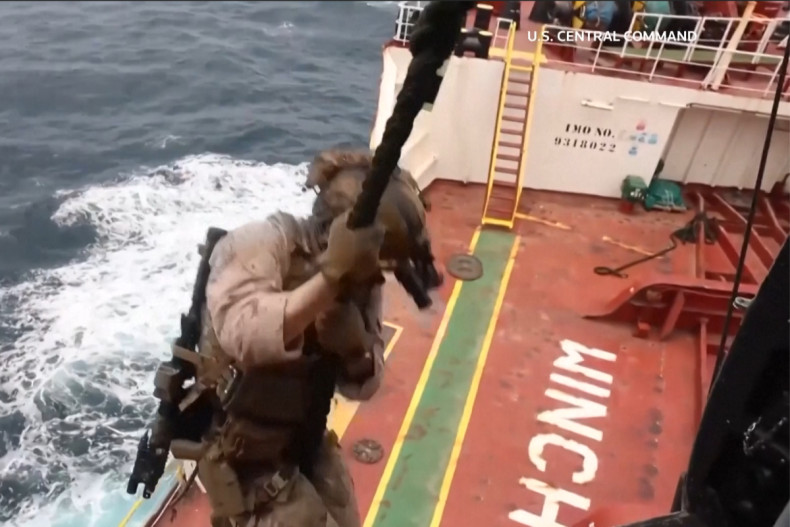
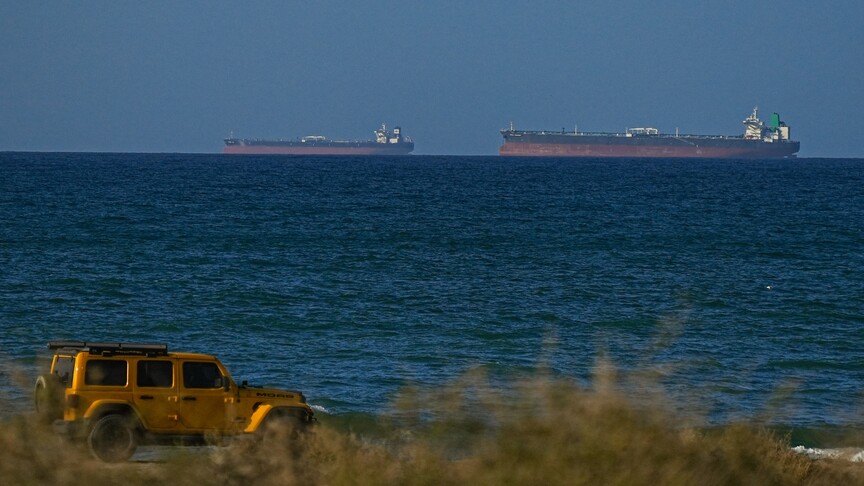
US forces recently downed two Iranian drones near the Strait of Hormuz amid ongoing tensions. [4] Tension remained high around the Strait of Hormuz, with US forces shooting down two Iranian one-way attack drones after Tehran attempted to strike commercial ships transiting the vital waterway, a US official said on Thursday. [4] Iran's military stopped a tanker from transiting the strait, state media said, reporting the sound of explosions early on Friday. [4] Trump's announcement of a deal prompted global shares to rally and oil prices to slip on Friday. [4] Brent crude prices were down more than 2 per cent in European morning trade. [4] Throughout the war, which began on Feb 28 with US and Israeli strikes on Iran, Trump has made similar declarations that a deal was at hand, only for no deal to emerge. [4]
Unresolved Issues and Context
Trump officials have previously claimed a deal with Iran was close, only to walk such statements back as talks faltered. [2] Iranian media reported Foreign Ministry spokesperson Esmaeil Baghaei as saying on Thursday large parts of the agreement had been finalised, but Iran would not compromise on its red lines. [4] The conflict has become a political headache for the White House, with polls showing Trump's approval ratings sinking amid voter anger over high gasoline prices. [4] Some Republicans have openly worried that the war's unpopularity could cost them control of Congress in November's midterm elections. [4] Curbs on fighting in Lebanon could be difficult to accept for Israel, which started the war alongside the United States in February but has not been included in peace negotiations. [4]
What to watch next: Reports indicate the wording could be finalised by Saturday for a possible signing on Sunday in Geneva by JD Vance and Mohammed Baqer Qalibaf, though Tehran has yet to confirm readiness for the ceremony and Israel has stated it is not a party to any memorandum.