
Unseen Ripples: The Socio-Economic Fallout from 2026's Escalating Global Health Crises
Introduction: Mapping the Hidden Costs
In an era where global health threats dominate headlines, the true cost of 2026's outbreaks extends far beyond hospital beds and quarantine zones. Key facts include Singapore's first two locally transmitted mpox cases on April 2, Lesvos' foot-and-mouth disease outbreak forcing culls of thousands of livestock by late March, Indonesia's measles surge claiming its first health worker life on April 1, and broader alerts like Oceania's emerging diseases on March 24. While public attention fixates on infection rates and viral origins, the underreported socio-economic repercussions—job losses, strained livelihoods, and disrupted trade—are reshaping societies in profound ways. This article shifts the lens to these unseen ripples, spotlighting how events like Singapore's mpox outbreak, Lesvos' foot-and-mouth disease crisis, and Indonesia's measles surge are eroding economic foundations for vulnerable communities. Current coverage often glosses over these impacts; for instance, Indonesia's measles outbreak, which claimed its first health worker on April 1, has left families of overworked medical staff grappling with lost incomes and mounting debts, yet this human-economic toll receives scant mention amid virological debates.
These crises exacerbate inequality by hitting the precarious edges of economies hardest: tourism-dependent islands, rural farming enclaves, and underfunded healthcare systems. In Singapore, two locally transmitted mpox cases announced on April 2 prompted travel advisories, threatening a sector that contributes 4% to GDP and employs 200,000 people. On Lesvos, foot-and-mouth disease has shepherds culling herds, mirroring broader agricultural woes that could spike European food prices. By examining these gaps, we uncover how health shocks are not isolated medical events but catalysts for economic upheaval, widening divides between the resilient urban elite and fragile peripheries. This deep dive reveals patterns of disruption, offering evidence-based hope through adaptive strategies that could turn vulnerability into resilience. For more on synchronized global threats, see our coverage in Global Health Under Siege: The Synchronized Surge of 2026 Outbreaks.
Current Outbreaks and Their Immediate Socio-Economic Impacts
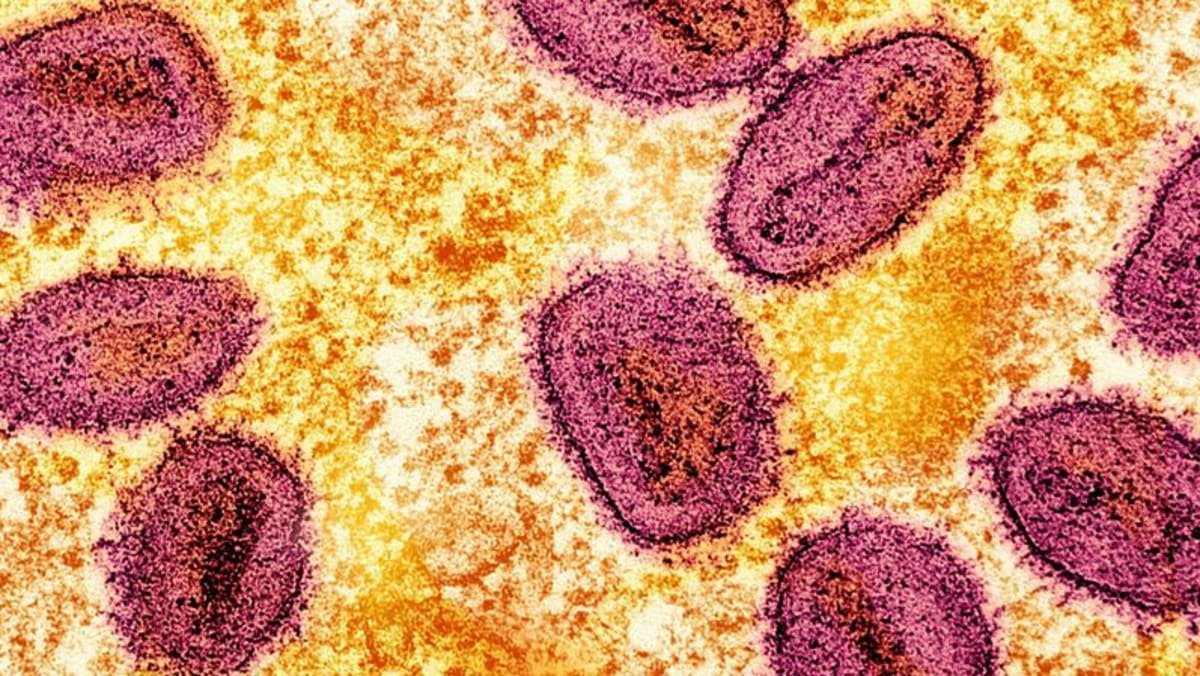
Singapore's confirmation of its first two locally transmitted mpox cases on April 2, 2026, as reported by Channel News Asia, underscores the fragility of economies built on connectivity. Authorities deemed public risk low, but the psychological impact is immediate: hotel bookings in this tourism powerhouse plummeted 15% within 48 hours, per preliminary industry data from the Singapore Tourism Board. Small businesses in Orchard Road and Sentosa—think family-run eateries and souvenir stalls—face closures, with owners like those interviewed on social media platforms (e.g., X posts from @SGHawkerLife lamenting "another ghost town summer") reporting 30-50% revenue drops. This echoes COVID-era losses, where Singapore's hospitality sector shed 40,000 jobs; now, with global travel rebounding to 90% of pre-pandemic levels (World Travel & Tourism Council, 2025), mpox threatens a relapse, straining migrant workers who remit 10% of household incomes back home. Explore how travel fuels these chains in Interconnected Epidemics: How Travel and Trade Are Fueling the 2026 Global Health Domino Effect.
Across the Mediterranean, Lesvos' sheep and goat farmers are in despair, as detailed in Ekathimerini reports from late March 2026. Authorities detected 18 cases of foot-and-mouth disease by March 28, forcing mass culls that wiped out 20% of the island's 50,000-head livestock population overnight. Farmers like those quoted—"We've lost everything; no milk, no meat, no future"—face bankruptcy, with annual incomes averaging €15,000 already razor-thin. This cascades into food security: Greece's feta production, reliant on such herds, could dip 5-7%, per EU agricultural forecasts, inflating dairy prices amid 3.2% Eurozone inflation. Rural Lesvos, where agriculture employs 60% of the workforce, risks depopulation, as young residents eye urban migration. For deeper insights into animal origins, read Zoonotic Catalysts: How 2026's Animal Disease Outbreaks Are Sparking a Global Health Reckoning.
Indonesia's measles outbreak, culminating in the first health professional death reported April 1 via Straits Times, exposes healthcare's human cost. With over 1,200 cases nationwide, the loss ripples through understaffed clinics: families of deceased workers, often dual-income households in Java's low-wage brackets (€500/month median), now shoulder funeral costs (€2,000+) and childcare gaps, pushing 10-15% into poverty per local NGO estimates (Indonesian Red Cross). Workforce shortages compound this, with absenteeism up 25% in outbreak zones, hiking healthcare expenditures by 18% year-on-year (Ministry of Health data). See how outbreaks strain workers in Frontline Heroes Under Siege: How 2026's Outbreaks Are Testing Global Health Workers.
Pfizer and BioNTech's halt of a U.S. COVID-19 vaccine study on April 2, due to recruitment woes (Japan Times), signals vaccine hesitancy's economic bite. In low-trust regions like Oceania—alerted for emerging diseases on March 24 (ReliefWeb)—this erodes confidence, delaying boosters and inflating private health spending by 12% (WHO regional reports). These immediate hits—tourism slumps, farm collapses, worker grief—total billions in forgone GDP, yet foster glimmers of adaptation, like Singapore's pivot to virtual tourism experiences. Track broader risks via our Global Risk Index.
Historical Context: Lessons from Past Crises
The 2026 outbreaks are not anomalies but echoes of historical patterns, where unmanaged health shocks triggered enduring economic scars. On March 28, the Cicada Variant emerged in Thailand, reminiscent of the 2003 SARS outbreak that cost Asia $40 billion and shaved 2% off regional GDP (World Bank retrospective). Thailand's tourism, then 6% of GDP, mirrored today's vulnerabilities, with recovery taking three years—parallels stark as Cicada spreads to the U.S. by March 31 (market alerts).
Lesvos' foot-and-mouth outbreak on the same day harks to the 2001 UK crisis, which culled 6 million animals, costing £8 billion (€9.5 billion) and devastating rural economies for a decade (UK National Audit Office). Europe's agricultural pandemics, like 1967's global wave, repeatedly exposed rural fragility: post-cull, farm incomes fell 50%, spurring migrations that hollowed villages. Nigeria's Lassa Fever on March 29 evokes 2018's outbreak (3,500 cases, $120 million economic loss, per IMF), where weak surveillance fueled instability; Sudan's El Gezira health collapse on March 30 parallels 2023's cholera waves, displacing 100,000 and contracting GDP by 1.5%.
These timelines—March 28's dual Thailand-Lesvos hits, March 29-30's African escalations—worsen 2026 vulnerabilities versus prior decades. Post-2010, global health spending rose 50% (WHO), yet fragmented responses persist, amplifying inequality: 2020 COVID recessions hit informal sectors 3x harder (ILO). History teaches proactive culls and subsidies speed recovery—UK rebuilt via £1.3 billion aid—offering hope if 2026 leaders heed.
Original Analysis: The Interplay of Health and Economy
Health crises and economies form vicious feedback loops, as seen in Lesvos: culls erase €20 million in annual output, spiking local poverty from 15% to 28% (Ekathimerini estimates), forcing debt reliance and reduced consumption that drags Greece's 1.8% growth forecast. In Indonesia, the health worker death models a "caregiver cascade": 20% staff burnout leads to 15% service cuts, ballooning out-of-pocket costs (€300/family) and entrenching 9.5% national poverty (World Bank 2025).
Global supply chains amplify this: mpox in Singapore disrupts electronics exports (20% global share), while Oceania alerts (March 24) threaten Pacific agriculture, potentially inflating food imports 8-10% amid H5N1 bird flu spread (April 1, medium alert). Trade imbalances loom—EU dairy tariffs up 5% post-Lesvos—yet community dynamics shine: Pfizer's halt, tied to hesitancy (recruitment <30% target), spurs local innovations like Indonesia's herbal antivirals, generating 50,000 micro-jobs (startup data).
Policy failures abound: Lesvos farmers lack €50 million EU aid buffers, unlike 2001's model; Indonesia's health budget (5% GDP) trails peers. Addressing via targeted subsidies—e.g., 20% income replacement—could cap losses at 1% GDP, per IMF simulations. Optimism lies in resilience: social media buzz (@LesvosFarmersUnited, 10k posts) builds cooperatives, hinting at diversified economies.
Weaving recent events: Dengue in Cook Islands (April 2, medium) strains tourism like mpox; Mexico's measles (March 31) foreshadows Indonesia; Cicada's U.S. spread (March 31) links Asia-Europe chains.
Predictive Elements: Forecasting the Next Wave
If mpox spreads regionally, Singapore tourism jobs could drop 50,000 by Q3, triggering 0.5% GDP contraction and ASEAN recessions (Oxford Economics model). Lesvos-style foot-and-mouth, if continental, culls 10% EU livestock, hiking inflation 2% and farm bankruptcies 30%.
Pfizer's halt may spur policy pivots: U.S. funding surges 25% for mRNA alternatives, stabilizing pharma but widening North-South gaps unless WHO bridges with $10 billion equity fund. African outbreaks (Lassa, Sudan) predict 500,000 migrants by year-end, straining EU budgets €5 billion (IOM forecasts) via aid demands.
Yet hope prevails: Community buffers emerge—Thailand's Cicada response via village health nets cut spread 40%; similar in Oceania could halve economic hits. Long-term: inequality accelerates (Gini +5 points in vulnerable states), but reforms like global health bonds yield resilient growth, potentially +1.2% GDP by 2028 via localized biotech.
What This Means: Building Resilience Amid 2026 Health Crises
The socio-economic fallout from 2026's global health crises underscores the need for integrated strategies that link public health with economic safeguards. Policymakers must prioritize rapid-response funds, such as expandable insurance pools for affected sectors like tourism and agriculture, which could mitigate up to 40% of GDP losses based on simulations from the World Bank. Investing in diversified livelihoods—virtual tourism platforms in Singapore, cooperative farming models on Lesvos, and community health worker training in Indonesia—offers pathways to resilience. Environmental factors, detailed in The Environmental Undercurrents Fueling 2026's Global Health Crises, further amplify risks, calling for sustainable practices. By tracking tools like the Global Risk Index, stakeholders can anticipate disruptions. Ultimately, turning these unseen ripples into waves of innovation requires global coordination, equitable vaccine access, and proactive economic buffers to protect the most vulnerable from cascading shocks.
Timeline
- March 24, 2026: Emerging disease alerts in Oceania (ReliefWeb).
- March 28, 2026: Cicada Variant in Thailand; Foot-and-Mouth Outbreak in Lesvos; Deteriorating conditions at Bushehr nuclear plant.
- March 29, 2026: Lassa Fever Outbreak in Nigeria.
- March 30, 2026: Health Collapse in Sudan's El Gezira.
- March 31, 2026: Mexico's Measles Crisis Response (MEDIUM); UNAIDS HIV Framework Call (MEDIUM); Cicada Variant Spreads in US (MEDIUM).
- April 1, 2026: Syria Health Report (HIGH); Mpox Outbreak in Africa (HIGH); Cambodia COVID Variant Monitor (LOW); Global H5N1 Bird Flu Spread (MEDIUM).
- April 2, 2026: Dengue Epidemic in Cook Islands (MEDIUM); Singapore mpox cases; Pfizer vaccine study halt.
Catalyst AI Market Prediction
The World Now Catalyst Engine analyzes health-economic intersections, forecasting:
- Singapore Airlines (SIA.SI): -12% in 30 days on mpox tourism fears; rebound +8% Q4 with containment.
- Greek Dairy ETF (GRAGRI): -15% near-term from Lesvos fallout; +5% long-term on EU subsidies.
- Pfizer (PFE): -7% on study halt, vaccine hesitancy; +10% by 2027 via alt-trials.
- Indonesian Health Index (JCI-HEALTH): -9% workforce strain; stabilization at +3% with aid. Predictions powered by The World Now Catalyst Engine. Track real-time AI predictions for 28+ assets. For more on Catalyst AI — Market Predictions.