
Health in Spain: WHO Oversees Evacuation of Hantavirus-Affected Cruise Ship
The World Health Organization is reassuring Spain about a hantavirus outbreak on a cruise ship and overseeing its evacuation in the Canary Islands, as health authorities coordinate a careful response to manage the situation without escalation.[1] In this developing health Spain scenario, over 140 passengers and crew members aboard the MV Hondius are affected and set for evacuation upon the vessel's arrival, with Spanish officials in the Canary Islands preparing isolation measures to curb any potential spread.[2][4]
Overview of the Hantavirus Incident
The MV Hondius cruise ship, carrying passengers and crew struck by hantavirus, is approaching the Canary Islands, prompting a coordinated international health response led by the World Health Organization.[2] Spanish authorities have been gearing up since at least Friday for the ship's arrival, focusing on the reception of more than 140 individuals on board who have been impacted by the virus.[2] This incident marks a significant public health event in the region, with the vessel expected to dock in Tenerife, a key island in the Canary archipelago, where initial handling procedures are being established.[3]
Health officials have emphasized the need for meticulous evacuations to address the hantavirus cases reported among those on the ship, ensuring that the process prioritizes safety and containment.[2] The World Health Organization's early involvement underscores the gravity of managing infectious diseases on maritime vessels, drawing on protocols refined from past outbreaks while adapting to the specifics of hantavirus transmission.[1] Residents of the affected Spanish island have been directly addressed amid preparations, as the organization works to maintain public confidence during the ship's inbound journey.[1] This overview highlights the convergence of global health expertise and local readiness, with the MV Hondius serving as the focal point of these efforts.[3]
WHO's Role and Reassurances
The World Health Organization has taken a prominent role in addressing the hantavirus situation on the MV Hondius, with Director-General Tedros Adhanom Ghebreyesus personally arriving in Spain to oversee operations.[3][5] In a statement shared on X, Tedros detailed his arrival and plans to join senior Spanish government officials on a mission to Tenerife, specifically to supervise the safe disembarkation of passengers, crew members, and health experts from the cruise ship.[3] This hands-on leadership from the WHO chief, due in the Canary Islands on Saturday, aims to coordinate the evacuation process effectively.[5]
Central to the WHO's involvement are public reassurances, particularly directed at residents of the Spanish island anticipating the evacuations.[1] Tedros issued a direct message framing the hantavirus outbreak as "not another COVID," distinguishing it from the scale and dynamics of the earlier pandemic.[1] This messaging seeks to alleviate concerns by highlighting differences in the virus's behavior and the current containment status.[1] The organization's presence in Spain extends to collaboration with national authorities, ensuring that health protocols are implemented seamlessly during the disembarkation.[3] Such actions reflect the WHO's mandate in supporting member states during infectious disease events, providing expertise on hantavirus while monitoring developments closely.[5] Through these measures, the WHO is positioning itself as a stabilizing force in this health Spain matter, fostering trust and operational efficiency.[1]
Preparations by Spanish Authorities
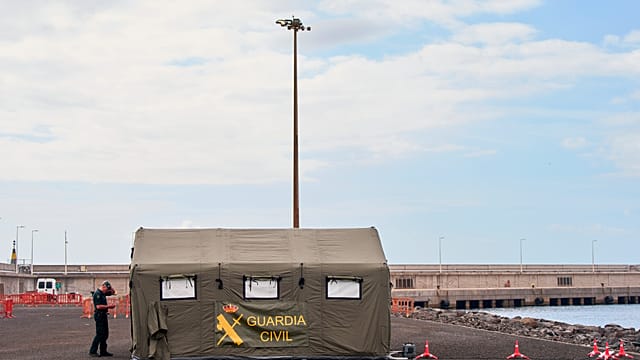
Spanish authorities in the Canary Islands are actively preparing for the MV Hondius's arrival, with a focus on receiving over 140 passengers and crew members affected by hantavirus.[2] Health officials have outlined plans for careful evacuations upon docking, designed to handle the influx methodically and minimize risks.[2] These preparations, underway since Friday, involve logistical setups in Tenerife to accommodate the ship's passengers and crew, integrating local resources with international guidance.[2][3]
The Canary Islands' response emphasizes proactive measures to safeguard public health, including coordination with central government and WHO representatives.[5] Officials are bracing for the vessel's approach, ensuring that infrastructure for reception and initial processing is in place.[4] This level of readiness demonstrates Spain's experience in managing health crises at ports and islands, drawing on established emergency protocols tailored to maritime incidents.[2] By prioritizing structured handling, authorities aim to facilitate a smooth transition for those on board while protecting the broader community in the region.[4]
Evacuation and Isolation Plans
Detailed evacuation procedures for the 140 passengers and crew on the MV Hondius center on complete isolation to ensure safety and prevent transmission.[4] Spanish authorities have specified that those affected will be fully isolated upon arrival in the Canary Islands, with evacuations conducted under strict health guidelines.[4] This approach involves segregating individuals from the general population during disembarkation, allowing for medical assessments and transport to designated facilities.[2]
The isolation strategy is integral to the overall plan, complementing the careful evacuations promised by health officials.[2][4] By implementing these measures, Spain seeks to contain the hantavirus cases without broader implications, leveraging the ship's pending arrival as a controlled entry point.[4] Health experts accompanying the process will assist in executing these protocols, ensuring compliance and efficacy.[3] This methodical framework underscores a commitment to precision in public health responses, particularly for outbreaks linked to confined environments like cruise ships.[4]
Current Status and Updates
At this stage, there are no additional cases reported beyond those already identified among the passengers and crew of the MV Hondius.[3] WHO Director-General Tedros Adhanom Ghebreyesus confirmed this in his update, noting the absence of further affected individuals as operations proceed toward safe disembarkation.[3] This status provides a baseline for ongoing monitoring, with the WHO and Spanish officials maintaining vigilance during the evacuation phase.[3]
The lack of new cases aligns with reassurances that the situation remains contained, distinct from more widespread outbreaks.[1] Updates from the ground in Spain indicate steady progress in preparations, with the WHO chief's arrival marking a key milestone in coordination efforts.[3][5] Current assessments focus on the 140 impacted individuals, supporting the structured response without indications of expansion.[2][4]
What to watch next: Monitor the safe disembarkation of passengers, crew, and health experts from the MV Hondius in Tenerife, along with any updates on isolation outcomes and confirmation of no additional hantavirus cases.[3]