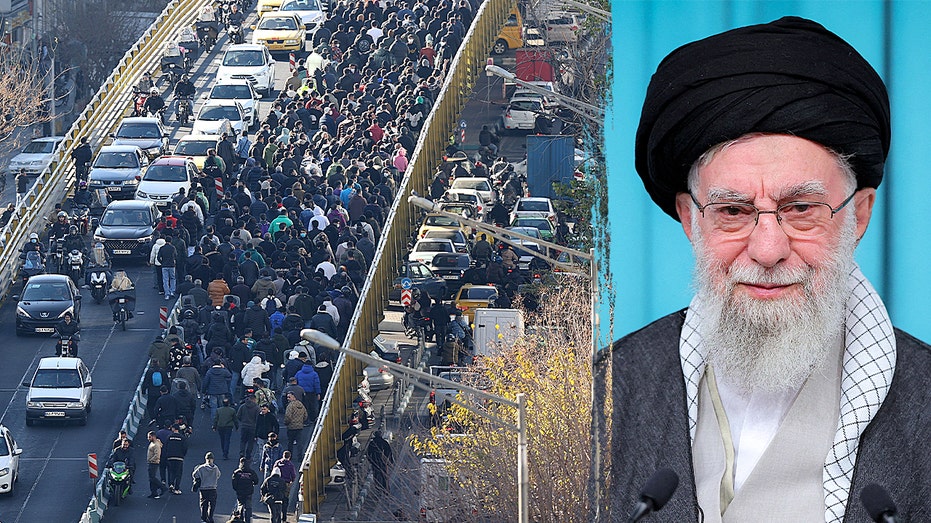

Unrest in Iran Intensifies as Protests Gain Momentum and Government Response Escalates
Recent anti-regime protests in Iran have escalated significantly, prompting a strong government response and heightened tensions across the nation. The unrest, which began on January 2, 2026, has seen the Iranian Foreign Ministry express support for demonstrators, marking a notable shift in the government's political stance amid ongoing civil discontent.
In his first public address since the protests began, Supreme Leader Ayatollah Ali Khamenei condemned the demonstrators, characterizing them as "enemy mercenaries" and "rioters." Khamenei's remarks reflect a deepening divide between the government and the citizenry, who have taken to the streets in response to a variety of grievances, including political repression, economic hardships, and demands for greater freedoms.
The protests have triggered significant disruptions, with reports indicating widespread internet outages across Iran. Cybersecurity firm Cloudflare noted a 35 percent decline in internet traffic in the country, suggesting that the government may be attempting to limit communication among protesters and hinder mobilization efforts. Additionally, multiple arrests have been reported as authorities respond to the unrest, raising concerns regarding human rights violations and the treatment of demonstrators.
Despite the government's efforts to quell the protests, the support from the Foreign Ministry for the demonstrators may indicate an internal rift within the Iranian leadership. The ministry's backing could be seen as an attempt to align with public sentiment, particularly in light of the growing discontent that has characterized Iranian society in recent years.
The protests come at a time of heightened sensitivity within Iran, where the political landscape has been increasingly polarized. Citizens have expressed their frustrations over issues such as the economy, government corruption, and social restrictions, which have only intensified in the wake of external pressures, including sanctions. The protests are reminiscent of previous waves of civil unrest in Iran, particularly those seen in 2019 and earlier, when similar grievances led to widespread demonstrations.
Background on Recent Unrest
The current wave of protests follows a pattern of civil unrest in Iran, where citizens have periodically taken to the streets to voice their frustrations against the regime. The catalyst for the latest demonstrations appears to be a confluence of economic distress and a demand for political reform. The Iranian government's attempts to suppress dissent have often met with fierce resistance from the populace, leading to violent confrontations and significant crackdowns.
The international community has closely monitored the situation in Iran, particularly given the implications for regional stability and human rights. As the protests continue, there are growing calls for international support for the Iranian people's right to peaceful assembly and expression.
Conclusion
As the situation in Iran unfolds, the prospect of ongoing protests appears likely. The response from both the government and the population will be critical in shaping the future of civil society in the country. With the Iranian Foreign Ministry's recent support for demonstrators, there may be a shifting dynamic within the Iranian political landscape. However, the government's strong condemnation of the protests indicates that the path forward could be fraught with challenges and increased tensions.






