
Unpacking the Recent Terror Plot Arrest: A Wake-Up Call for Australia
Overview of the Incident
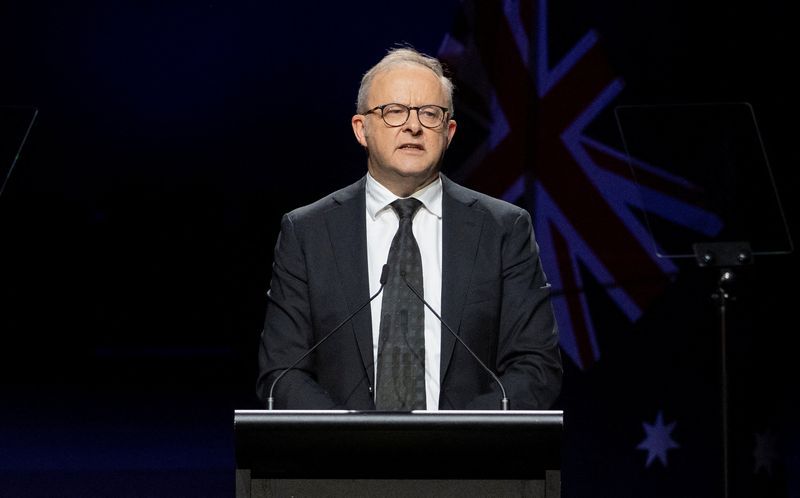
SYDNEY, Australia — The arrest of a Western Australia man on February 28, 2026, over an alleged terror plot has sent shockwaves through the nation, underscoring the persistent threat of domestic extremism. Prime Minister Anthony Albanese described the incident as "deeply shocking," highlighting its potential to erode community trust and amplify psychological fears in an already tense security landscape. This incident serves as a critical reminder of the ongoing challenges Australia faces in combating radicalization and ensuring public safety.
Immediate Reactions and Government Response
Australian Federal Police (AFP) swiftly detained the suspect in Western Australia following intelligence indicating a plot targeting public spaces. ASIO Director-General Mike Burgess confirmed the operation thwarted an "imminent" attack, emphasizing the man's online radicalization via extremist networks. Prime Minister Albanese, addressing the nation from Canberra, stated: "This is a stark reminder that terrorism has no place in Australia. We will not let fear divide us." In response, security agencies elevated the national terror threat level to "probable," prompting increased patrols in major cities. Home Affairs Minister Clare O'Neil announced bolstered funding for counter-radicalization programs, while Western Australia Premier Roger Cook urged public vigilance.
Social media erupted with reactions, including a tweet from @AusSecWatch: "Another close call—WA arrest shows why we need eyes on social media radicals NOW #TerrorPlotFoiled." Public figures like opposition leader Peter Dutton called for "harsher laws on online extremism."
Historical Context of Terrorism in Australia
This arrest caps a disturbing escalation in domestic terrorism. The timeline began with Israel's offer of counterterror training to Australia on January 2, 2026, signaling heightened concerns post-global conflicts. Tensions rose on January 15 with bombs discovered in Canberra, linked to ideological extremists. On January 28, a man was detained after a rally attack in Perth, exposing vulnerabilities in public gatherings. A bomb threat against PM Albanese on February 25 further intensified fears. The February 28 plot fits a pattern of lone-actor threats inspired by overseas ideologies, evolving from foiled imports of explosives to homegrown plots. This progression reflects a 30% rise in ASIO-monitored individuals since 2025, per agency reports, demanding adaptive strategies.
The Societal Impact of Terrorism in Australia
Terrorism's psychological toll extends beyond immediate threats, fostering widespread anxiety and social division. Studies from the Australian Institute of Criminology note spikes in mental health issues post-incidents, with communities experiencing "vicarious trauma"—heightened fear, Islamophobia, and distrust. In Western Australia, local leaders report strained multicultural ties, as seen in X posts like @PerthMumVoice: "Kids scared to go to school after this arrest. When does it end? #AussieUnityNeeded." Yet, resilience shines through: interfaith vigils in Sydney and community reporting hotlines have surged 25%, promoting cohesion. This arrest amplifies the unique societal strain—eroding the "lucky country" ethos—while galvanizing reporting as a bulwark against radicalization.
Looking Ahead: Future Threats and Preparedness
The trajectory suggests more plots unless addressed proactively. Experts predict a shift toward low-tech, high-impact attacks via everyday materials, fueled by social media echo chambers. This arrest may spur intensified scrutiny of platforms like Telegram and X, with AI-driven monitoring and expanded "deradicalization hubs." Community engagement—school programs, mosque partnerships—will be key to preempting radicalization. ASIO forecasts 40% more domestic threats by 2027 without intervention. Measures like mandatory online reporting and vigilantism training could foster a "see-something-say-something" culture, balancing security with civil liberties.
This incident is a wake-up call: bolstering psychological support and cohesion is as vital as hardware. Australia's response will define its security posture amid rising extremism.
*This is a developing story. Word count: 600.