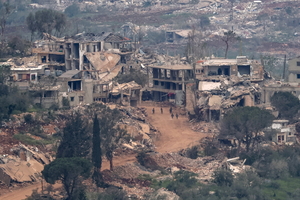

Strike in Lebanon Kills 14 People Amid Ceasefire Violations
Israeli strikes in southern Lebanon killed 14 people, marking the deadliest day since the ceasefire began on 27 November 2024.[1] The incident unfolded amid ongoing accusations of truce violations by both Israel and Hezbollah, with the Lebanese Health Ministry reporting the toll from strikes on Sunday in the country's south.[1] Hezbollah has vowed to continue responding to any perceived violations by Israel, while the US announced an extension of the temporary ceasefire by three weeks.[4][5] The Office of the United Nations High Commissioner for Human Rights (OHCHR) has verified 139 civilian deaths in Lebanon from Israeli operations up to 1 March 2026.[2]
Recent Strikes and Casualties
The strike in Lebanon that resulted in 14 deaths represents a significant escalation in violence following the fragile truce, described by Lebanon's Health Ministry as the deadliest single day since the ceasefire took effect over a week prior.[1] Israeli military actions targeted areas in southern Lebanon on Sunday, prompting immediate reports of heavy casualties from the Health Ministry in Beirut.[1] This event occurred within the context of a temporary ceasefire that the US had extended by three weeks just two days earlier, following diplomatic talks.[5]
Details from the strikes highlight the intensity of the operations, with Israel's military described as acting "vigorously" against Hezbollah targets, according to statements from Prime Minister Benjamin Netanyahu.[1] The casualties underscore the precarious nature of the post-ceasefire period, where intermittent hostilities have persisted despite the agreement aimed at ending the intensive phase of conflict that began in October 2023.[2] Lebanon's southern regions, long a flashpoint in the Israel-Hezbollah confrontations, bore the brunt of these strikes, amplifying concerns over civilian safety in areas adjacent to the border.[1][4]
Israel has also issued warnings to towns beyond a designated buffer zone, signaling an intent to enforce spatial restrictions as part of its security measures post-truce.[4] This strike in Lebanon not only tallied the highest death toll in a single day but also reignited debates over compliance with ceasefire terms, as both sides continue to attribute provocations to one another.[1][3] The immediate aftermath saw accusations flying, with the strikes framed by Lebanese authorities as a direct breach amid the extended truce period.[5]
Ceasefire Background and Violations
The ceasefire agreement, which came into force on 27 November 2024, was intended to halt an intensive phase of the Israel-Hezbollah conflict that had raged since October 2023.[2] However, intermittent hostilities between the armed group Hezbollah and Israel have persisted, with Israeli military operations continuing almost daily thereafter.[2] Both Israel and Hezbollah have traded fresh accusations of breaching the fragile truce, creating a cycle of retaliatory claims that undermine the agreement's stability.[1]
Prime Minister Benjamin Netanyahu's remarks emphasized that the Israeli military was targeting Hezbollah "vigorously," positioning these actions as responses to violations by the Iran-backed group.[1] On the other side, Hezbollah has maintained that it will not cease its operations as long as Israel persists with what it terms "ceasefire violations."[4] This mutual finger-pointing has characterized the post-27 November period, where the truce has proven more temporary than enduring.[1][2]
The US announcement of a three-week extension to the temporary ceasefire, made two days before the strikes, came after talks aimed at bolstering the agreement, yet it failed to prevent the deadly incident.[5] OHCHR documentation reveals that despite the ceasefire, Israeli operations have led to verified civilian casualties, pointing to the ongoing nature of low-level engagements.[2] These violations illustrate the challenges in implementing a buffer zone and restricting movements, as Israel has warned communities outside designated areas.[4] The backdrop of these breaches sets a tense stage, where each side justifies its actions as defensive responses to the other's infractions.[1][5]
Responses from Involved Parties
Hezbollah has explicitly stated it would not cease its attacks on Israeli troops as long as Israel continues its "ceasefire violations," a position reiterated in the wake of the strikes that killed 14.[4] This vow aligns with broader statements from the group promising to respond to any perceived Israeli aggressions, amid the trading of accusations over truce breaches.[1] Israel's leadership, through Netanyahu, has countered by affirming that the military is actively targeting Hezbollah, framing such operations as necessary to counter threats.[1]
Israel's military has also extended warnings to towns beyond the buffer zone, indicating a strategy to enforce compliance through deterrence and operational reach.[4] These responses from both primary parties highlight a standoff where neither appears willing to de-escalate unilaterally, perpetuating the cycle of retaliation.[1][4] The Lebanese Health Ministry's prompt reporting of the 14 deaths served as an official rebuke, amplifying calls for adherence to the truce amid the heightened tensions.[1]
Ongoing Human Rights Situation
Intermittent hostilities between Hezbollah and Israel have continued despite the 27 November 2024 ceasefire, with Israeli military operations causing significant civilian harm.[2] The OHCHR has verified 139 civilian deaths in Lebanon from these operations up to 1 March 2026, underscoring the persistence of violence in the post-truce environment.[2] This toll reflects almost daily Israeli actions that have not abated, even as the agreement sought to end the intensive conflict phase that started in October 2023.[2]
The human rights update from 2 to 22 March 2026 details a situation of ongoing displacement and deaths, with the ceasefire failing to fully curb engagements.[2] Civilian casualties in this context arise from operations in southern Lebanon and surrounding areas, where hostilities remain a daily reality.[2] The verification process by OHCHR provides a credible measure of the impact, highlighting how the truce has not translated into a complete halt of lethal activities.[2] This persistent situation compounds the challenges for affected communities, as low-level conflicts sustain a climate of insecurity.[2]
International Developments
International attention has intensified around the Lebanon strikes, coinciding with diplomatic maneuvers involving key global players.[3] Iran's Foreign Minister Abbas Araghchi is set to meet Russia's President Vladimir Putin, a development reported alongside the news of Israel killing 14 in Lebanon.[3] This meeting occurs as former US President Donald Trump commented that Iranian leaders could "call on the phone" if they wish to engage, injecting an element of potential backchannel communication into the regional dynamics.[3]
The US has played a direct role by announcing the extension of the temporary ceasefire by three weeks, just two days prior to the strikes, following talks to sustain the truce.[5] These announcements reflect broader efforts to manage the Israel-Hezbollah tensions through multilateral engagement.[5] The timing of the Iran-Russia discussions amid the strike in Lebanon suggests interconnected geopolitical interests, with external powers monitoring the fragile post-27 November 2024 environment.[3][5]
What to watch next: Observers will monitor Hezbollah's vowed responses to Israeli actions, potential further US-mediated truce extensions, and outcomes from high-level meetings like Iran's Araghchi-Putin talks, as violations continue to test the ceasefire's limits.[1][3][4][5]






