
Uncertainty Surrounds CK Hutchison's $22.8 Billion Ports Deal in Panama Amid Geopolitical Tensions
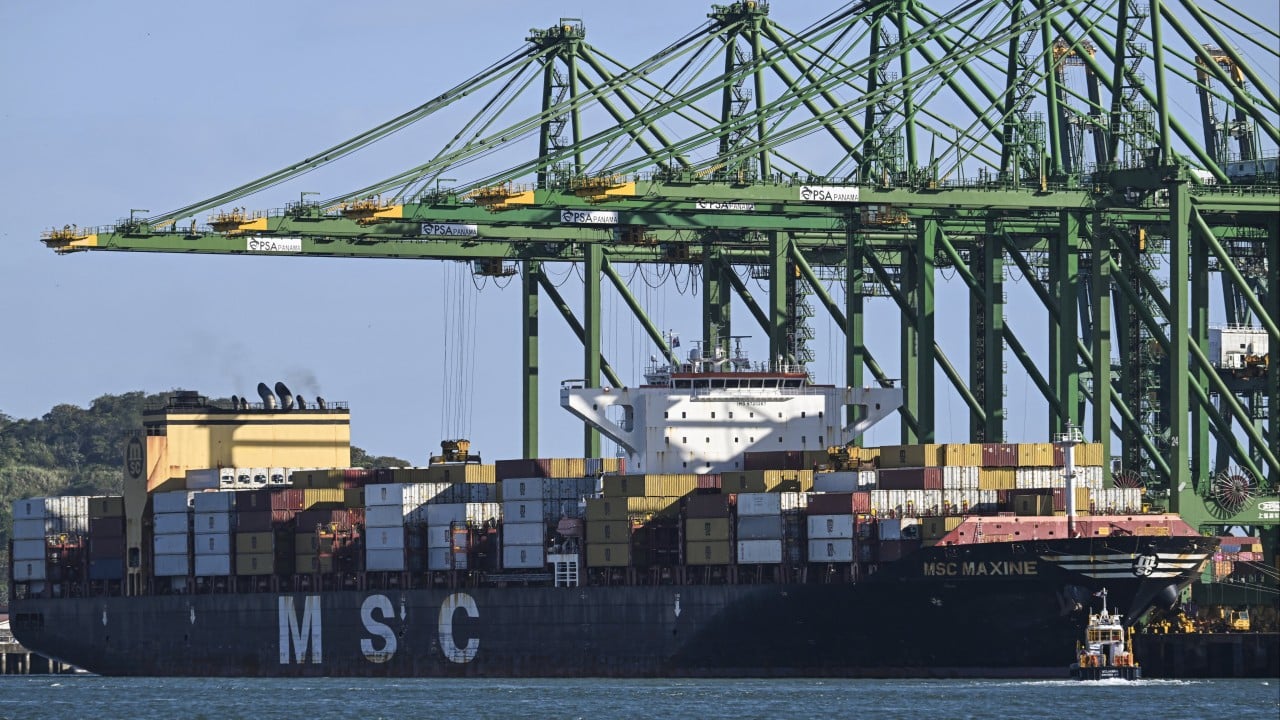
Panama's strategic position as a global trade hub is facing potential disruption as CK Hutchison's ambitious $22.8 billion ports deal hangs in the balance. Originally announced nearly ten months ago, the acquisition has become a focal point in the escalating geopolitical tensions between the United States and China, raising questions about the future of international trade routes and control.
CK Hutchison, a Hong Kong-based conglomerate owned by billionaire Li Ka-shing, aimed to secure the most expensive terminal acquisition in history through this deal, which would significantly enhance its influence over the Panama Canal's operations. However, recent developments have cast doubt on the feasibility of the transaction, impacting not just the company but also the broader geopolitical landscape.
According to political analysts, the deal's uncertainty is symptomatic of a larger confrontation between Washington and Beijing, where control over global trade routes is increasingly seen as a matter of national security. As both superpowers maneuver for dominance, investments like CK Hutchison's in Panama are scrutinized through the lens of strategic interests rather than purely economic considerations.
"Geopolitical tensions can often derail commercial agreements that might seem straightforward on the surface," noted a veteran political commentator in the region. "What started as a strategic exit for CK Hutchison has evolved into a high-stakes standoff between two of the world's largest economies."
The situation is further complicated by the fact that Panama plays a critical role in global shipping and logistics due to its canal, which serves as a vital conduit for maritime trade. Any disruption or change in control over the ports could have ripple effects on global supply chains, particularly given the ongoing trade disputes between the US and China.
CK Hutchison’s ports deal was initially viewed as a strategic move for the conglomerate, allowing it to divest from assets while seeking growth opportunities in other regions. However, as geopolitical tensions escalate, the viability of this transaction is now under significant scrutiny, with market analysts urging stakeholders to prepare for potential fallout.
As 2026 unfolds, industry experts are paying close attention to how the geopolitical landscape will evolve and what it might mean for the future of such critical investments in Panama. With the stakes higher than ever, the coming months could prove to be pivotal for CK Hutchison and its ambitious plans in the Central American nation.
In conclusion, the uncertainty surrounding CK Hutchison's ports deal underscores the intersection of global commerce and geopolitics, reminding stakeholders that economic initiatives can quickly become entangled in international rivalries. As nations continue to position themselves in the shifting geopolitical landscape, the outcome of this deal will be closely watched, carrying implications not only for CK Hutchison but for global trade dynamics as a whole.






