
UN Peacekeepers Report Israeli Gunfire Near Blue Line, Signaling Escalating Tensions in Southern Lebanon
Beirut, Lebanon – United Nations peacekeepers stationed in southern Lebanon have reported multiple incidents of Israeli gunfire near the Blue Line, the de facto border separating Israel from Lebanon, amid a worrying uptick in cross-border violence. The high-severity event, which began on January 2, 2026, underscores ongoing fragility along one of the Middle East's most volatile frontiers.
The United Nations Interim Force in Lebanon (UNIFIL), tasked with monitoring the area since 1978, highlighted the gunfire incidents as part of a "concerning trend of increasing violence." According to reports from the peacekeeping mission, the shootings occurred in close proximity to UN positions, raising fears for the safety of both civilians and international observers. No immediate casualties were reported among UN personnel or Lebanese civilians, but the episodes come against a backdrop of repeated violations that have strained the fragile ceasefire between Israel and Hezbollah.
UNIFIL's statements emphasize that such actions contravene UN Security Council Resolution 1701, adopted in 2006, which calls for the demilitarization of southern Lebanon south of the Litani River and the exclusive deployment of Lebanese Armed Forces and UN peacekeepers in the area. The Blue Line itself was delineated by the UN in 2000 following Israel's withdrawal from southern Lebanon after an 18-year occupation, serving as a provisional boundary pending a final peace agreement.
This latest flare-up occurs more than a year after a US-brokered ceasefire on November 27, 2024, ended 14 months of intense cross-border exchanges between Israel and the Iran-backed militant group Hezbollah. That conflict, which began on October 8, 2023, in solidarity with Hamas's attack on Israel, resulted in thousands of deaths, over 1 million Lebanese displaced, and significant destruction in southern Lebanon. Israel conducted extensive airstrikes and a limited ground incursion, while Hezbollah fired rockets into northern Israel, displacing some 60,000 Israelis.
Despite the ceasefire, both sides have accused each other of violations. Israel has claimed that Hezbollah operatives continue to operate near the border, justifying preemptive fire. Hezbollah, in turn, has alleged Israeli incursions and aerial violations of Lebanese airspace, which occur almost daily according to Lebanese officials. UNIFIL has repeatedly urged restraint, with its leadership noting over 100 ceasefire breaches in the months following the truce.
In a statement issued shortly after the January 2 incidents, UNIFIL spokesperson Andrea Tenenti described the situation as "volatile," calling on all parties "to cease fire immediately, respect the ceasefire agreement, and recommit to a peaceful resolution." Lebanese Prime Minister Najib Mikati's office condemned the gunfire as "a dangerous escalation," while the Israeli Defense Forces (IDF) stated that the shots were aimed at "suspected hostile activity" in the area, without elaborating further.
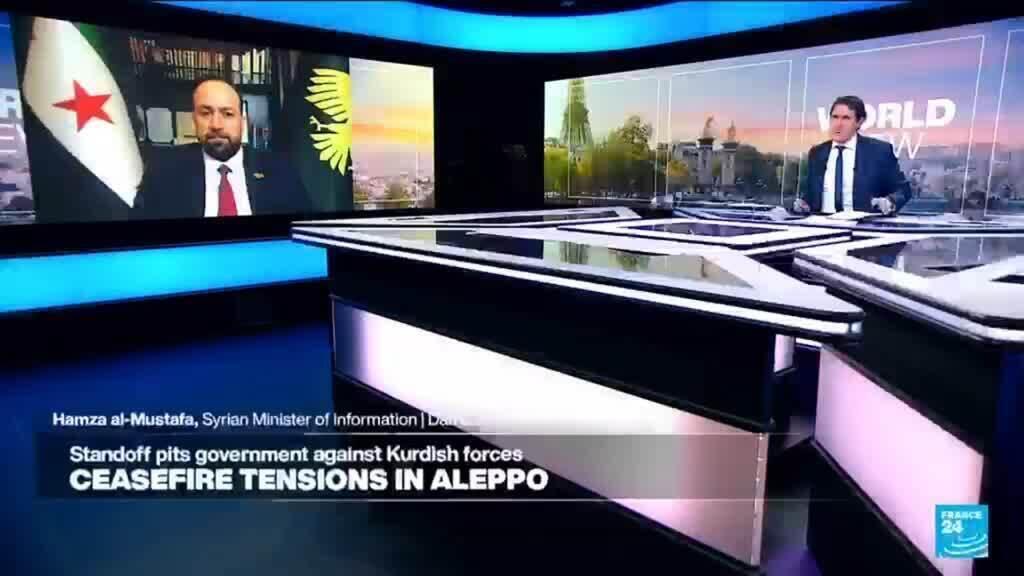
The timing of these events coincides with broader regional dynamics. Neighboring Syria, long a conduit for Hezbollah arms supplies via Damascus, is grappling with its own internal frictions. On January 9, 2026, Syria's Information Minister Dr. Hamza al-Mustafa articulated Damascus's desire for a peaceful resolution to confrontations with the US-backed Syrian Democratic Forces (SDF), accusing them of failing to honor prior agreements. While not directly linked, such statements reflect wider efforts – or lack thereof – toward de-escalation in the Levant, where interconnected conflicts involving Iran, Israel, and proxy militias persist.
Background on the Blue Line and UNIFIL
The Blue Line stretches approximately 120 kilometers from the Mediterranean Sea to the Golan Heights, marked by blue barrels during its UN mapping. It has been a flashpoint since its inception, with frequent disputes over 13 outstanding points, including the village of Ghajar, which straddles the line. UNIFIL, comprising over 10,000 troops from 50 countries, conducts patrols and liaises with both Israeli and Lebanese forces. However, its mandate has been criticized as insufficient, particularly after deadly attacks on peacekeepers during the 2023-2024 escalation.
Historically, southern Lebanon has been a Hezbollah stronghold, with the group emerging during Israel's 1982 invasion and subsequent occupation. The 2006 Israel-Hezbollah war further entrenched the militia's presence, leading to Resolution 1701. Recent years have seen heightened Israeli concerns over Hezbollah's arsenal, estimated at 150,000 rockets and missiles, prompting preemptive operations.
Outlook
As winter sets in, humanitarian needs in southern Lebanon remain acute, with reconstruction stalled and farmers unable to access border lands due to ongoing risks. International mediators, including the US, France, and Qatar, continue diplomatic efforts to solidify the ceasefire and advance border talks. However, without addressing root causes – such as Hezbollah's disarmament and a comprehensive Israel-Lebanon peace deal – analysts warn that incidents like the January gunfire could spiral into wider confrontation.
Lebanese officials have appealed to the UN Security Council for stronger enforcement, while Israel maintains its right to self-defense. For now, UNIFIL's vigilance remains the thin blue line holding back potential war.
(Word count: 712)






