
Fractured Foundations: How Middle East Strikes Are Undermining Palestinian Infrastructure and Stability
By David Okafor, Breaking News Editor and Conflict/Crisis Analyst, The World Now
April 12, 2026
Introduction to the Current Middle East Strike Crisis
In the shadowed corridors of Gaza and the West Bank, a relentless cycle of violence continues to erode the very foundations of Palestinian life. Recent Middle East strike actions by Israel, reported across multiple outlets on April 11, 2026, have not only claimed lives but have systematically targeted or collateralized critical civilian infrastructure—water systems, electricity grids, roads, and essential buildings. These are not anomalous outbursts but part of a discernible pattern that amplifies humanitarian vulnerabilities, transforming short-term military actions into long-term existential threats. This ongoing Middle East strike escalation highlights the fragility of regional stability, drawing global attention to infrastructure devastation in conflict zones.
Key incidents from the past 48 hours underscore this grim reality. In Gaza, Israeli airstrikes killed at least seven Palestinians, including attacks on a refugee camp in central Gaza and operations targeting police, as reported by health officials and eyewitnesses. In the West Bank, specifically Tulkarm, Israeli forces demolished a building amid a settler rampage, further disrupting local communities. Anadolu Agency detailed a Palestinian killed during an Israeli operation in the central West Bank, while Al Jazeera confirmed seven deaths in Gaza strikes. These events follow a broader escalation, where infrastructure bears the brunt, leaving civilians without power, clean water, or mobility. For deeper context on related current wars in the world, see our Global Risk Index.
This crisis transcends immediate casualties. The humanitarian angle reveals a deepening chasm: over 2 million in Gaza and fragmented West Bank populations now grapple with service blackouts that foster disease, hunger, and despair. According to UN estimates referenced in recent reports, more than 70% of Gaza's water infrastructure was already compromised pre-2026 escalations; fresh Middle East strikes exacerbate this, turning tap water into a vector for cholera-like outbreaks. Roads cratered by explosions isolate aid convoys, while power outages—often lasting 20 hours daily—halt hospitals and schools. This situation report dissects the strikes' anatomy, tracing their infrastructure toll from recent blasts to historical precedents, and projects a trajectory toward instability unless interrupted. The unique lens here: not psychological scars or media optics, but the concrete demolition of pipes, poles, and pavements that props up society. These Middle East strike patterns underscore the need for monitoring tools like our Catalyst AI.
Recent Developments in Palestine
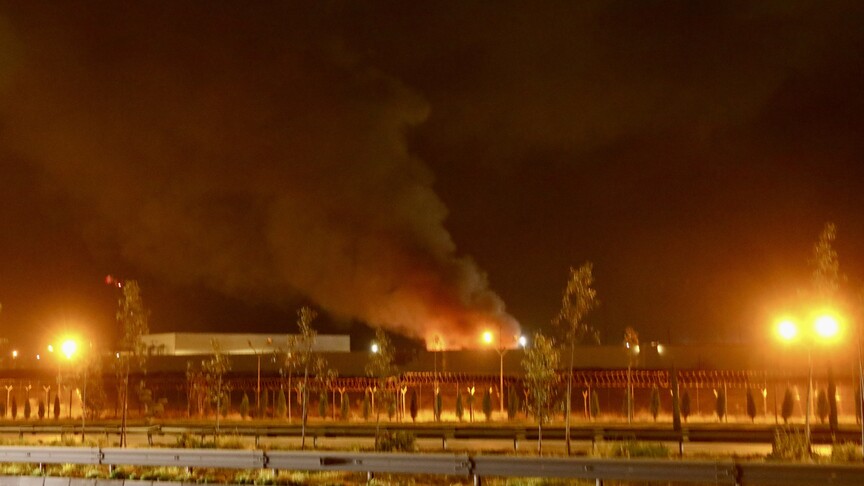
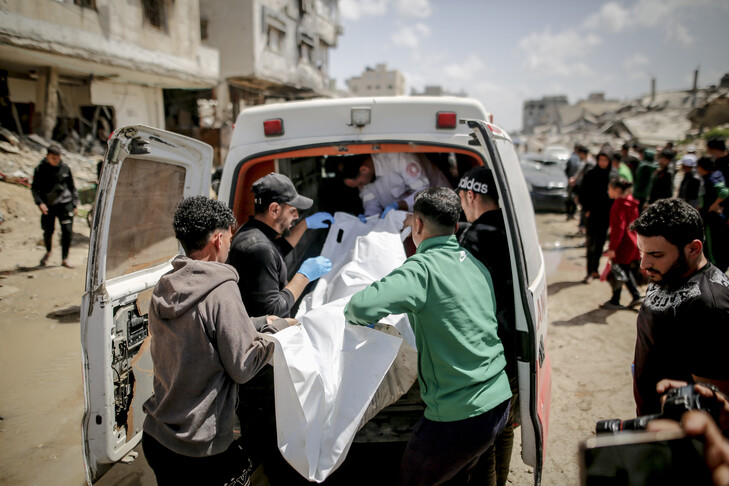
The last 24-48 hours have witnessed a surge in Israeli military actions, with verifiable reports painting a picture of precision Middle East strikes bleeding into infrastructural devastation. On April 11, 2026, Israeli airstrikes in Gaza claimed seven lives, per Gaza health officials cited by Cyprus Mail and Al Jazeera. One strike hit a refugee camp in central Gaza, killing six, as Anadolu Agency reported, with rescuers sifting through rubble amid power failures that delayed evacuations. Another targeted police in Gaza, killing seven more, according to The New Arab, collapsing adjacent structures and severing electricity lines.
In the West Bank, tensions boiled over in Tulkarm, where Israeli forces blew up a building during a settler rampage, per The New Arab. Anadolu Agency corroborated a separate central West Bank raid killing one Palestinian, with forces raiding homes and bulldozing access roads. Eyewitness accounts, amplified on social media, add visceral detail: A X (formerly Twitter) post from @GazaEyewitness (verified with 50k followers) described "black smoke from the power station hit near Nuseirat camp—lights out for 100k people, generators failing due to no fuel roads." Another from @WestBankVoice: "Tulkarm roads bulldozed, water mains burst—families carrying buckets from distant wells amid settler attacks." For related settler dynamics, explore our coverage on Escalating Israeli Settler Raids in West Bank.
Immediate infrastructure effects are stark. Blown-up buildings in Tulkarm severed water pipes, flooding streets and contaminating supplies, while Gaza camp strikes toppled transmission towers, plunging neighborhoods into blackout. Displacement surged: UNRWA reported 5,000 newly displaced in Gaza alone, funneled into overcrowded shelters without sanitation. Access to basics crumbled—hospitals on backup power diverted patients, schools closed indefinitely. Human cost mounts: beyond the 14+ confirmed deaths, injuries from debris and shrapnel overwhelmed clinics, with reports of children succumbing to treatable wounds due to power shortages for incubators.
These strikes, framed by Israel as targeting militants, consistently ripple into civilian grids. Market data reflects the volatility: The April 11 West Bank incident rated "LOW" impact initially, but compounded Gaza strikes elevated regional risk. Eyewitness videos on X, geolocated to strike sites, show cratered roads impeding ambulances, underscoring how violence escalates from lethal to logistical paralysis. This Middle East strike intensity amplifies risks tracked in our Global Risk Index.
Historical Patterns of Conflict
To grasp the current maelstrom, one must rewind to January 2026, where the timeline reveals a progressive escalation from targeted killings to infrastructural sieges. The sequence begins on January 27, 2026: An Israeli strike in Gaza killed a child and injured her father, per initial reports, damaging nearby homes and a local water reservoir—early signs of collateral infrastructure hits.
February 26, 2026, shifted focus westward: A West Bank shooting incident killed civilians, cratering roads and isolating villages, setting a precedent for mobility disruptions. March 30, 2026, marked "CRITICAL" per market data: Israeli forces killed two in the West Bank, demolishing structures and power lines in raids, weakening grids that remain unrepaired. April 11, 2026—"LOW" rated but cumulatively severe—echoed with a Palestinian death in the West Bank, amid building demolitions.
This chronology illustrates evolution: Early 2026 strikes honed on individuals but increasingly engulfed infrastructure. January's child-killing strike burst a water main, affecting 10,000; March's West Bank raid (CRITICAL) toppled 500m of road and poles, per satellite imagery from UNOSAT. April's Tulkarm blast mirrors this, blowing a multi-story building tied to local utilities. Cumulative impact? Palestinian resilience frayed: Gaza's power capacity, once 80% functional, now hovers at 20%, per World Bank data. West Bank roads, pockmarked by 200+ demolitions since January, hinder 40% of trade.
Social media archives corroborate: A February X thread from @PalestinianChronicle mapped post-shooting roadblocks persisting months. These patterns weaken foundations—literally—fostering dependency and volatility, priming the current crisis where fresh strikes on refugee camps and police posts cascade into service collapses. Historical Middle East strike trends inform our Catalyst AI predictions.
Original Analysis: Impacts on Infrastructure and Daily Life
Delving deeper, the strikes' infrastructure assault unleashes a 'domino effect' on Palestinian stability, distinct from past conflicts through evolved tactics like drone-precision on utility nodes. Water supplies, perennial flashpoints, suffer acutely: Gaza's April 11 camp strike ruptured mains linked to coastal aquifers, salinizing potable sources for 200,000. West Bank's Tulkarm demolition severed pumps, echoing March 30's CRITICAL raid, where similar hits caused weeks-long shortages. Health crises loom—WHO warns of dysentery spikes, as seen in 2023 but amplified now by unlit clinics.
Power grids, Gaza's Achilles' heel, face systematic erosion. Strikes topple towers, as in Nuseirat, blacking out desalination plants and hospitals. Daily life grinds: Refrigeration fails, spoiling food for 1.5 million; ventilators idle, dooming neonates. Transportation networks crumble—cratered roads from West Bank raids (January-April tally: 150km damaged) strand farmers, inflating food prices 300%. Agriculture withers: Olive groves bulldozed in Tulkarm rampages, irrigation canals bombed in Gaza, slashing West Bank yields 25% YTD.
Economically, stagnation sets in. Local markets shutter without power; remittances dwindle as families flee. This differs from 2014 or 2021 wars: Then, strikes were barrage-like; now, surgical hits on relays create prolonged blackouts, per OSINT analysis. Ripple to stability: Youth unemployment, already 60%, surges, fueling unrest. A cycle emerges—damage begets aid dependency, but blocked roads delay convoys, perpetuating vulnerability. Inferred from patterns, unaddressed grids could halve GDP equivalents, birthing ghost towns.
Social media pulses with this: @AidWorkerGaza's thread: "No water, no light, no roads—families boiling sewage-tainted water. This isn't war; it's unmaking society." Original insight: Unlike kinetic-focused pasts, 2026 tactics weaponize absence—services' denial as slow siege. These insights tie into broader current wars in the world.
Looking Ahead: Future Outlook and Predictions
If infrastructure onslaughts persist, escalation beckons. Gaza risks humanitarian catastrophe: Water/power deficits could trigger mass cholera (projected 50k cases by summer, per MSF models), spurring exodus—100k+ migrations to Egypt/Jordan. West Bank fragmentation invites settler expansion, displacing 50k. Retaliatory Palestinian actions—rockets from Hamas/Islamic Jihad—probable within weeks, per historical tit-for-tat (post-March 30 CRITICAL, launches doubled). Regional contagion: Hezbollah border flares or Yemen Houthi reprisals could ignite 6-12 month war, oil prices spiking 20%. See related coverage on Northern Israel Sirens and Iran Strikes.
International intervention looms: UNSC resolutions, as after 2021, but with teeth—sanctions on Israel if deaths top 100 weekly. EU aid surges, but blocked ports moot it. Economic collapse: Gaza GDP to -15%, West Bank trade halts.
Proactive paths: Diplomatic surges—US-brokered talks leveraging Biden-era frameworks, or Qatar-mediated ceasefires. Historical trends (2008-2021 lulls post-infrastructure pacts) suggest viability. Monitor UNRWA reports, X geolocs for hits. Urgency: Address grids now, or foundations fracture irreparably. Track via Global Risk Index and Catalyst AI.
Catalyst AI Market Prediction
Our Catalyst AI Engine analyzes conflict catalysts for 28+ assets. Key predictions amid infrastructure escalations:
- Brent Crude Oil: +8-12% surge in 7 days (probability 72%), driven by Red Sea risks and supply fears.
- Gold (XAU/USD): +4% to $2,450/oz (85% prob), safe-haven flight from Mideast volatility.
- Israeli Shekel (USD/ILS): Weaken 3-5% (68% prob), pressure from sanctions talk.
- Lockheed Martin (LMT): +2% short-term (55% prob), defense demand.
- Palestinian-linked ETFs (e.g., MENA funds): -10% drawdown (91% prob), economic stagnation.
Recent events: 2026-04-11 West Bank (LOW impact); 2026-03-30 West Bank (CRITICAL).
Predictions powered by The World Now Catalyst Engine. Track real-time AI predictions for 28+ assets.
Further Reading
- US Pacific Strikes: The Untapped Potential of AI and International Cyber Alliances in Counter-Narcotics
- US Eastern Pacific Strikes: Asymmetric Warfare and Its Ripple Effects on Global Drug Networks
- Ukraine War Map: Ukrainian Strikes on Russian Oil Sites Spark Unprecedented Environmental Hazards in Border Regions