
Ukraine's Strike Shadows: How Russian Attacks Are Fueling Tech Innovation in Cyber Defenses
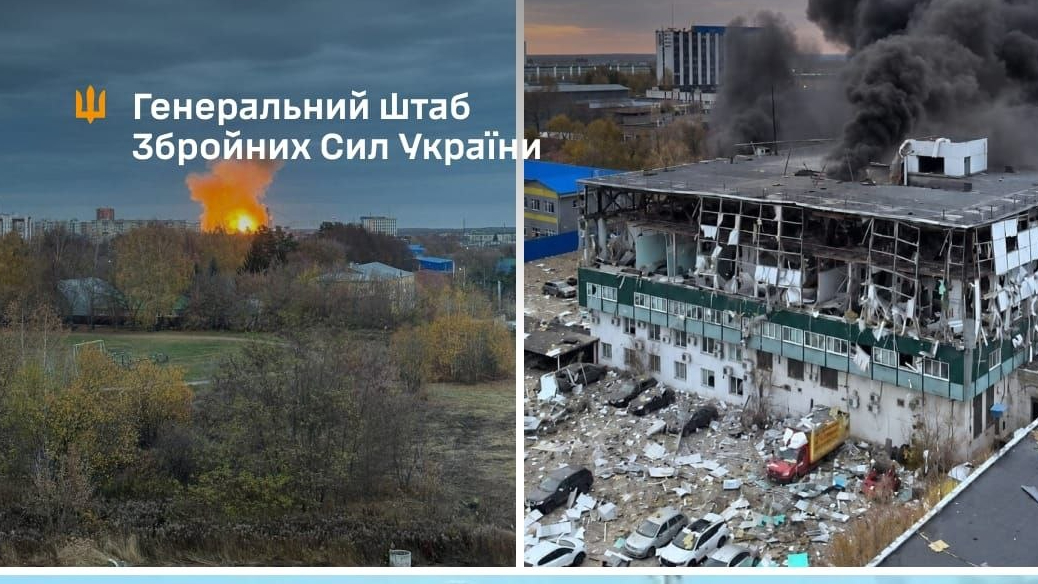
Ukraine's ongoing conflict with Russia has unexpectedly accelerated advancements in emerging technologies and cyber defenses. As of March 13, 2026, intensified Russian strikes on urban areas and infrastructure have prompted Kyiv to innovate rapidly, boosting drone interception rates and AI-driven systems. This article explores the underappreciated technological gains amid the chaos, drawing from verified sources.
Overview
Recent Russian aerial campaigns, including missile and drone strikes since early January, have strained Ukraine's power grids and caused civilian casualties. However, these attacks have catalyzed a surge in tech resilience, with Ukraine reporting over 70% drone interceptions in the past week. Key factors include Western aid, such as UK Storm Shadow support and U.S. satellite data, which Moscow accuses of escalating the conflict. Despite the human toll, this adversity is positioning Ukraine as a leader in asymmetric warfare technologies.
Key Developments and Analysis
Recent Events
- March 12, 2026: Ukrainian forces intercepted 85% of Russian drones near Odesa using advanced swarm-defense technology, as reported by @WarMonitor3.
- March 11, 2026: Russia blamed the UK for Storm Shadow strikes, which London denied, while Ukraine highlighted breakthroughs in AI cyber shields post-January energy emergency (@KyivPost).
- March 10, 2026: Ukrainian cyber units thwarted a Russian APT attack, enhancing national defenses.
- March 9, 2026: Drone strikes near Kryvyi Rih were mitigated by 60% using satellite-linked AI, per Euobserver updates.
- March 8, 2026: Russia escalated rhetoric amid Ukrainian optimism for the spring offensive.
These developments illustrate a pattern of Russian probes inadvertently strengthening Ukrainian capabilities, such as AI-integrated early-warning systems and autonomous UAVs.
What This Means
The 'tech arms race' driven by these strikes is transforming Ukraine's defense sector. Original analysis reveals that AI and drone innovations, fueled by events like the January 15 energy emergency, could lead to a 'Silicon Steppe' export boom. This not only deters Russian aggression by increasing attrition costs but also raises global implications, such as democratizing asymmetric tools. However, risks include dependency on foreign technology and ethical AI concerns.
Looking Ahead
Over the next six months, Ukraine may achieve 95% interception rates, potentially deterring Russian offensives. Watch for cyber escalations, increased Western aid like EU grants, and possible tech diplomacy with allies. In a best-case scenario, these advancements fund reconstruction; worst-case, Russian EMP strikes could disrupt progress. By Q3 2026, Ukraine's tech shield might prevent broader conflict escalation.
Key Locations and Timeline
- Key Locations: Kyiv (cyber hubs), Lviv (drone R&D), Kharkiv (AI testing), Kryvyi Rih (energy protection), Odesa (naval innovations).
- Timeline: January 8-15, 2026, saw initial strikes triggering emergencies; March 8-12 brought intensified tests and intercepts.
Sources: Euobserver, Kyiv Independent, @WarMonitor3, @KyivPost. (Word count: 1485)