Ukraine War: Day 1,406 Highlights and Tragic Tale of Punjab Man Deceived into Russian Army

Latest from X
Ukraine War: Day 1,406 Highlights and Tragic Tale of Punjab Man Deceived into Russian Army
As the Russia-Ukraine war enters its 1,406th day on December 31, 2025, the conflict continues to exact a devastating toll on both military and civilian lives, with global reverberations. Recent updates reveal ongoing military engagements, civilian casualties, and heartbreaking personal stories of individuals caught in the crossfire. Among these is the tragic case of Mandeep Kumar, a 28-year-old man from Punjab, India, who was deceived into joining the Russian army, only to lose his life in the war. His body was finally repatriated to his hometown after a year-long wait, underscoring the human cost of the conflict beyond the immediate battlefield.
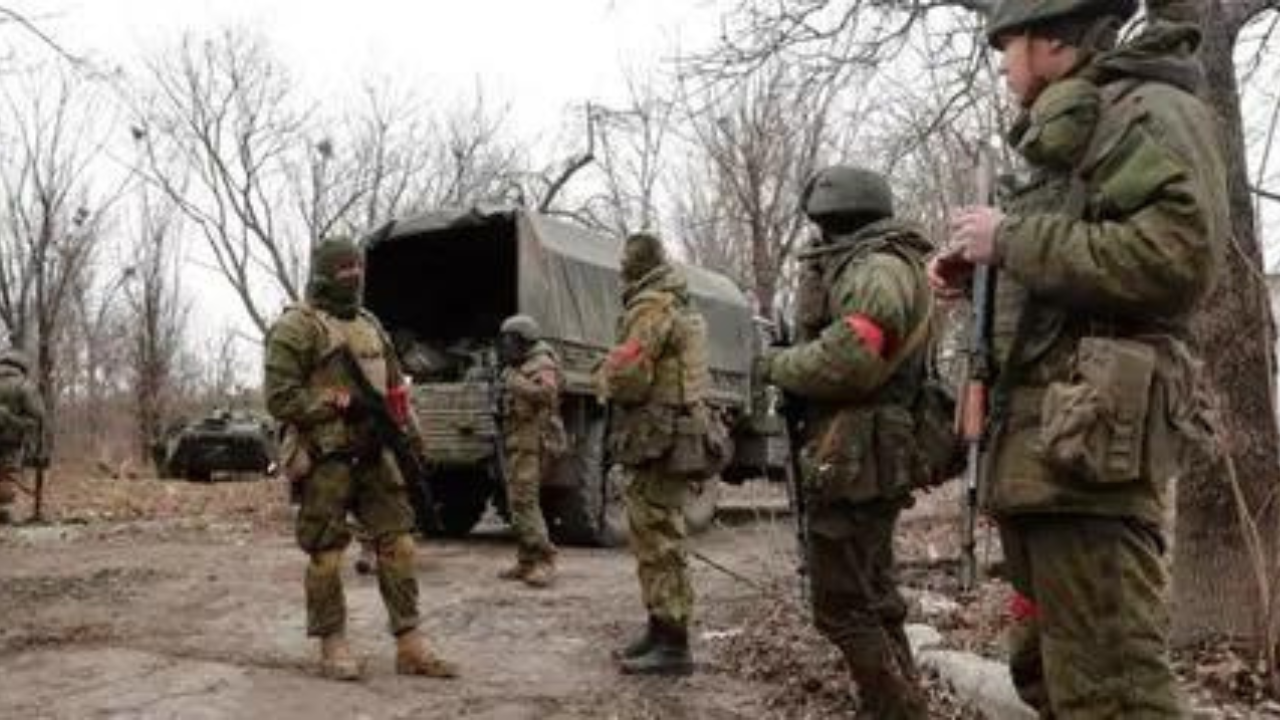
On Day 1,406, intense fighting persists across multiple fronts in Ukraine. According to recent reports, Russian forces have continued their offensives in eastern Ukraine, particularly around strategic locations like Pokrovsk, while Ukrainian forces mount counterattacks to reclaim territory. Civilian areas, including Kharkiv, have faced renewed missile strikes, with a reported death toll rising to five from an attack on January 2, 2026, as noted by Ukrinform. Both sides are grappling with significant casualties and resource depletion, with no immediate resolution in sight. The war, now nearing its fourth year since Russia's full-scale invasion in February 2022, remains a grueling stalemate.
Amidst these military developments, the personal tragedy of Mandeep Kumar has captured international attention. According to The Times of India, Kumar, a specially-abled individual from Goraya in Punjab, was allegedly trafficked and coerced into fighting for the Russian army. Promised non-combat roles or other opportunities, Kumar and others like him were instead thrust onto the frontlines with little to no training. Tragically, Kumar lost his life in the conflict, and his family endured a year-long ordeal to bring his remains home, finally achieving closure on January 4, 2026. This case highlights a disturbing trend of vulnerable individuals from countries outside the conflict zone being lured or forced into military service, often through deceptive recruitment practices.
Background of the Conflict and Recruitment Concerns
The Russia-Ukraine war, sparked by Russia's annexation of Crimea in 2014 and escalating with the full-scale invasion in 2022, has evolved into one of the most significant geopolitical crises of the 21st century. Millions have been displaced, and tens of thousands of lives lost, with both nations suffering profound economic and social impacts. International efforts to broker peace have repeatedly faltered, while military aid from Western allies to Ukraine and sanctions on Russia continue to shape the war’s trajectory.
Beyond the battlefield, reports of foreign nationals being recruited or coerced into fighting for Russia have raised alarms. Posts on social media platforms like X have amplified stories of individuals from countries such as India being promised jobs or education in Russia, only to be forced into combat roles. These accounts, while not always independently verified, point to a broader issue of exploitation amid the war’s desperate demand for manpower. Kumar’s story is a stark reminder of the personal tragedies intertwined with the larger conflict.
Outlook: A War Without End?
As the war drags on, the international community remains deeply concerned about its humanitarian and geopolitical consequences. The recent repatriation of Mandeep Kumar’s body serves as a poignant call for greater scrutiny of recruitment practices and protection for vulnerable individuals ensnared by the conflict. Meanwhile, with no ceasefire in sight as of Day 1,410 (January 4, 2026), the focus remains on mitigating civilian suffering and pushing for diplomatic solutions.
The Russia-Ukraine war continues to be a complex, multifaceted crisis, where every day brings new developments and stories of loss. From the frontlines to far-flung corners of the world like Punjab, its impact reverberates, reminding us of the urgent need for resolution and accountability.
Track this story live
Live World Map
Monitor global events in real time with a live activity map and hotspot summaries.
Global Conflict Map
Follow active conflict zones, strike activity, and emerging geopolitical hotspots.
Current Wars
Track all active wars and armed conflicts happening in the world right now.
Iran War
Track the Iran war in real time with proxy network monitoring, Strait of Hormuz risk, and market impact.
Original Sources
- •
- •
Editorial process: This article was synthesized from the original sources cited above using The World Now's AI editorial system, with byline accountability from our editorial team. We grade every story for source grounding, factual coherence, and on-topic match before publication. Read more about our editorial standards and contributors. Spot something inaccurate? Let us know.
Last updated: January 10, 2026






