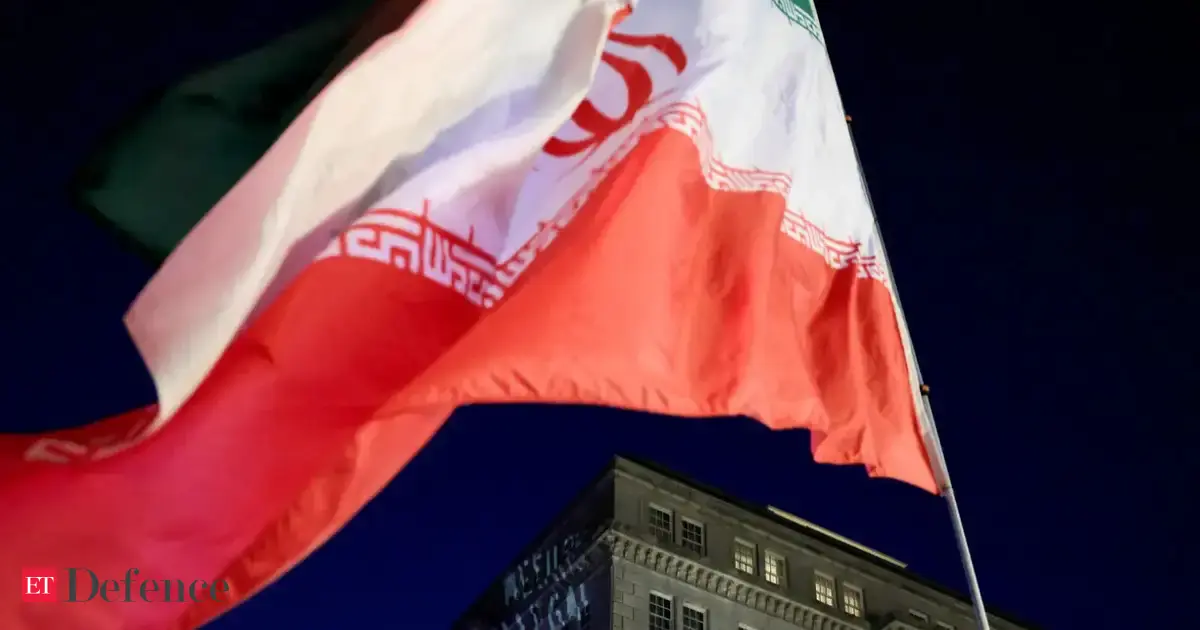

War in Iran Ongoing as Officials Warn of No Resolution
The war in Iran is ongoing and has not ended, as emphasized by Iranian officials amid escalating international tensions.[1] The US-Israeli conflict with Iran has entered its third month with no signs of resolution, marked by a deepening deadlock between Washington and Tehran.[2] US President Donald Trump has announced actions against Iran that could require Congressional approval under US law, raising questions about legislative oversight after 60 days of hostilities.[3] The conflict has evolved into a more dangerous and quieter phase that Europe appears not to fully grasp.[4] Negotiations remain stalled, with Iran insisting on the easing of the naval blockade before any talks, while the US demands concessions first.[5]
Overview of the Ongoing Conflict
The current status of the war in Iran, as articulated by official statements, paints a picture of persistent hostilities without any immediate path to cessation. Iranian Army spokesman Amir Akraminia has explicitly warned that the war should not be considered over, a direct message underscoring Tehran's unwavering stance amid the protracted engagement.[1] This declaration aligns with broader assessments that the conflict persists in a subdued yet intensified manner. Specifically, reports indicate that the war with Iran has not stopped; it has merely become more dangerous and quieter, complicating perceptions of its trajectory.[4]
Published on April 28, 2026, this perspective highlights a shift in the conflict's dynamics, where overt large-scale operations may have diminished, but underlying threats have escalated.[4] The Iranian official's statement from April 29, 2026, reinforces this continuity, rejecting any notion of de-escalation or conclusion.[1] From a strategic viewpoint, this evolution suggests a tactical adaptation by involved parties, potentially involving covert operations, cyber elements, or precision strikes that evade widespread media coverage. Such a phase demands heightened vigilance, as the quieter nature belies increased peril, possibly through asymmetric warfare or proxy engagements not immediately visible on the global stage.
The purpose of summarizing this status is to clarify that, despite any superficial calm, the war in Iran remains active. Official timelines place the conflict well into its extended duration, with no resolution in sight. This ongoing nature challenges assumptions of winding down, as Iranian military voices directly counter premature declarations of peace. The interplay between these statements reveals a deliberate narrative from Tehran to maintain resolve among its forces and populace, while signaling to adversaries that capitulation is not an option. Analysts grounded in these reports note that this persistence could prolong economic strains and regional instability, as the absence of a clear endgame keeps alliances on edge.
US Involvement and Key Statements
{IMAGE_2}
US actions and statements in the war in Iran have taken center stage, with President Trump's rhetoric and policy moves drawing significant attention, alongside domestic political considerations. In a social media post following his meeting with Britain’s King Charles III in Washington, Trump declared, “I am doing something with Iran, right now, that other Nations, or Presidents, should have done long ago.”[2] This outburst came as he lashed out at German Chancellor Friedrich Merz, framing US efforts as bold and overdue. The context was an overnight update on the US-Israeli war on Iran entering its third month, with no imminent breakthrough in the Washington-Tehran impasse.[2]
These pronouncements occur against a legal backdrop where, after 60 days of war in Iran, experts argue that Trump requires Congressional approval to sustain military engagement.[3] The Al Jazeera analysis questions whether Congress will assert its role, noting that lawmakers might sidestep the issue entirely despite constitutional imperatives. This potential avoidance reflects partisan divides or war fatigue, yet it underscores the high stakes of unilateral executive action in prolonged conflicts.
Trump's fury, as reported, extends to allies like the UAE and European figures, suggesting frustration with perceived lack of support.[2] His statements serve multiple purposes: rallying domestic support, pressuring adversaries, and justifying escalatory measures. Politically, the need for Congressional buy-in introduces checks that could alter the war's course, forcing debates on funding, strategy, and exit conditions. If ignored, it risks legal challenges or impeachment proceedings, adding layers of uncertainty. The 'wartime' designation in Iran amplifies these dynamics, positioning US involvement as pivotal yet constrained by internal mechanisms.[2][3]
International Perspectives on the War
External views on the war in Iran reveal notable gaps in understanding, particularly from Europe, which is portrayed as failing to comprehend the conflict's nuanced progression.[4] The assessment that the war has not stopped but has become more dangerous and quieter points to a misperception that hostilities have abated.[4] This European shortfall in grasp could stem from reduced visible activity, leading to underestimation of subsurface risks such as intensified covert operations or simmering proxy battles.
This perspective, captured in reports from April 28, 2026, emphasizes how the shift to a stealthier phase obscures the true peril.[4] International observers, especially in Europe, may prioritize diplomatic overtures over recognizing the elevated dangers, potentially weakening coordinated responses. Such misunderstandings could hinder unified pressure on parties involved, allowing the deadlock to fester. From a global security lens, this disconnect risks broader spillover, as misjudged quietude might delay interventions needed to prevent escalation into wider theaters.
The failure to appreciate this evolution affects alliance cohesion, with implications for NATO or EU stances. Grounded in these insights, the quieter war in Iran demands recalibrated international engagement, urging a deeper probe beyond surface calm to address the heightened threats effectively.[4]
Status of Negotiations and Deadlock
{IMAGE_3}
Diplomatic efforts in the war in Iran are mired in a profound deadlock, with core obstacles centered on sequencing concessions.[5] Two months into the conflict, Iran demands the easing of the naval blockade before entering talks, a precondition that stalls progress.[5] Conversely, the US insists on Iranian concessions first, creating a classic chicken-and-egg impasse, as articulated by Ali Vaez of the International Crisis Group.[5]
This standoff, detailed in Anadolu Agency reporting, questions whether it will derail diplomacy altogether.[5] Iran's position likely stems from economic strangulation via the blockade, viewing relief as essential for good-faith negotiations. The US stance prioritizes leverage, aiming to extract commitments on nuclear issues or regional proxies before easing pressures. Vaez's analysis highlights how this mutual distrust perpetuates the cycle, with neither side yielding primacy.
The implications are dire: prolonged deadlock sustains military engagements, exacerbates humanitarian concerns, and invites third-party meddling. Without breakthroughs, the naval blockade remains a flashpoint, potentially sparking incidents that escalate tensions. Diplomatic channels, though active, yield no momentum, underscoring the need for neutral mediators to bridge the gap. Yet, the rigid positions suggest a war of attrition extending beyond battlefields into negotiation tables.[5]
Timeline and Recent Developments
A chronology of the war in Iran reveals a steady progression without resolution, anchored by key milestones and overnight updates. The conflict has reached two months[5] and 60 days,[3] now entering its third month with persistent deadlock.[2] Recent developments include Trump's social media salvo post-King Charles III meeting, decrying inaction by others and targeting figures like German Chancellor Merz.[2]
Legal timelines intensify scrutiny: after 60 days, US law mandates Congressional input, though uptake remains uncertain.[3] Anadolu's two-month marker coincides with negotiation woes over the blockade.[5] Overnight takeaways from South China Morning Post encapsulate the 'wartime' atmosphere, UAE mentions, and no breakthrough signs.[2]
This timeline—from initiation through quieter phases[4]—shows adaptation rather than abatement. Iranian warnings at the two-to-three-month juncture reinforce continuity.[1] Recent published insights from late April 2026 frame the trajectory: persistent, dangerous, deadlocked.[1][2][3][5] Developments suggest no nearing end, with political rhetoric and diplomatic stalls defining the path forward.
Statements from Iranian Officials
Iranian officials have issued stark warnings affirming the war in Iran's unyielding status, central to understanding Tehran's posture. Army spokesman Amir Akraminia's directive—"Do not consider the war over"—delivered on April 29, 2026, encapsulates military resolve.[1] This follows assessments of a more dangerous, quieter conflict,[4] positioning official voices as counter-narratives to de-escalation hopes.
Such statements bolster internal morale and deter adversaries, signaling sustained capability. Amid third-month timelines,[2] they align with demands for blockade relief,[5] framing persistence as defensive necessity. The emphasis on non-conclusion challenges international optimism, urging recognition of ongoing threats. Grounded in these declarations, Iran's communication strategy maintains pressure, potentially influencing US Congressional debates[3] and European perceptions.[4]
What to watch next: Congressional action on approval requirements after 60 days,[3] any shifts in the naval blockade deadlock,[5] and responses to Trump's ongoing statements amid the third-month mark.[2]