
Ukraine Tensions Escalate: Zelensky Demands UK, French Troops for Peace as Russia Deploys Advanced Oreshnik Missile
Kyiv/Moscow — Ukrainian President Volodymyr Zelensky has called for the deployment of British and French military forces in Ukraine as a core component of any viable peace agreement, emphasizing the need for robust security guarantees amid ongoing conflict. This high-severity appeal, made on January 4, 2026, comes as Russia has reportedly used its newly unveiled Oreshnik ballistic missile against Ukrainian targets, marking a potential escalation in weaponry designed for high-intensity warfare.
Zelensky's statement underscores Kyiv's insistence on tangible NATO-aligned security measures to deter future aggression. Speaking publicly, he argued that a peace deal "must include British and French military presence in Ukraine to ensure security," highlighting the limitations of diplomatic assurances alone in the face of repeated Russian incursions. This demand arrives at a critical juncture, over three years into Russia's full-scale invasion that began in February 2022, which has seen Ukraine reclaim significant territory while facing relentless aerial and ground assaults.
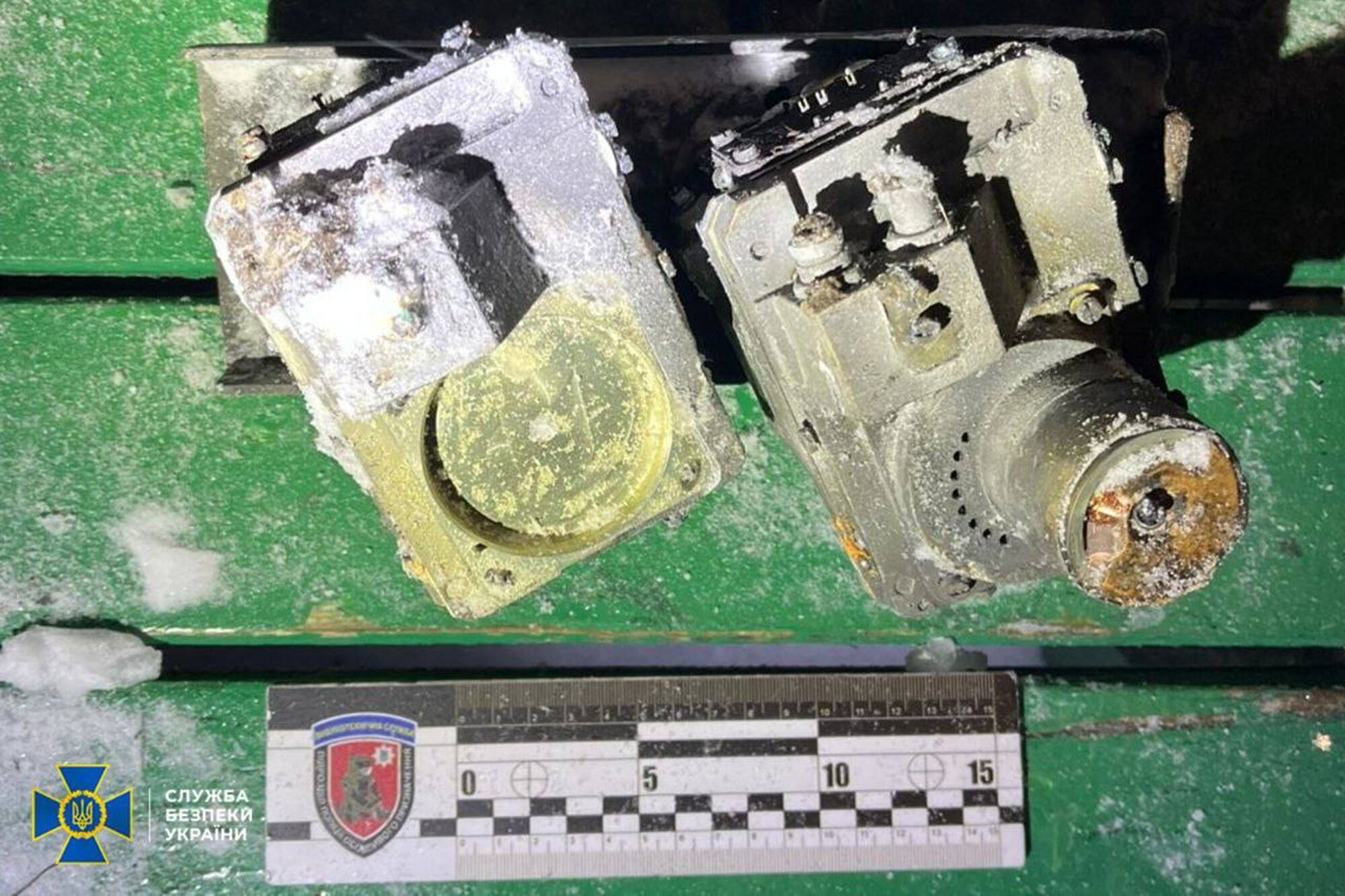
Just days later, on or around January 9, 2026, reports emerged of Russia deploying the Oreshnik intermediate-range ballistic missile (IRBM) in strikes against Ukraine. According to detailed analysis from El País, the Oreshnik is "almost impossible to intercept" due to its hypersonic speeds and maneuverable warheads. The weapon, capable of launching six projectiles—each equipped with either conventional or nuclear payloads—represents a significant advancement in Russia's arsenal, originally conceptualized for nuclear conflict scenarios.
The Oreshnik's deployment fits into a pattern of intensified Russian missile barrages targeting Ukrainian infrastructure, energy grids, and military positions. Western analysts have long noted Russia's development of such systems as part of its military modernization under President Vladimir Putin, with the missile's unveiling accelerating amid stalled peace negotiations. Its use in Ukraine demonstrates operational readiness, raising alarms about escalation risks, particularly given its nuclear compatibility.
Context of Zelensky's Security Demands
Zelensky's push for foreign troop deployments revives discussions on security architectures similar to those proposed in earlier peace frameworks, such as the unfulfilled 2022 Istanbul talks. Ukraine has repeatedly sought NATO membership or equivalent guarantees, but alliance members have hesitated due to Article 5 invocation fears. Britain and France, as nuclear powers and key arms suppliers to Kyiv—providing systems like Storm Shadow missiles and Caesar howitzers—have been vocal supporters but stopped short of direct combat involvement.
The January 4 remarks align with broader geopolitical shifts, including U.S. President-elect Donald Trump's incoming administration, which has signaled interest in brokering a ceasefire. European leaders, including UK Prime Minister Keir Starmer and French President Emmanuel Macron, have increased aid pledges but maintained no-boots-on-the-ground policies to avoid direct confrontation with Russia. Zelensky's call could test these boundaries, potentially galvanizing or dividing Western unity.
Russia's Oreshnik: A Game-Changing Weapon
The Oreshnik, derived from Russia's RS-26 Rubezh program, boasts a range exceeding 3,000 kilometers and employs multiple independently targetable reentry vehicles (MIRVs). El País reports describe it as engineered for "an atomic war," with hypersonic glide vehicles evading existing air defenses like Ukraine's Patriot systems. Its first confirmed combat use against Ukraine underscores Moscow's strategy of overwhelming Ukrainian and allied defenses through sheer volume and speed.
This strike follows a series of Russian innovations, including Kinzhal hypersonic missiles and FAB-3000 glide bombs, amid Ukraine's own advances with Western-supplied ATACMS and Storm Shadow munitions into Russian territory. The timing—post-Zelensky's statement—has fueled speculation of a deliberate show of force, though neither side has officially linked the events.
Background on the Conflict
Russia's invasion, launched on February 24, 2022, followed the 2014 annexation of Crimea and Donbas conflict, driven by Moscow's claims of NATO expansion threats and Ukrainian "denazification." Ukraine, with over 40 million people, has mounted a fierce defense, bolstered by $200 billion-plus in international aid. Casualties exceed 1 million combined, per UN estimates, with winter infrastructure attacks exacerbating civilian suffering.
Peace efforts, including Switzerland-hosted summits in 2024, have faltered over core issues: territorial integrity, neutrality, and security. Zelensky's troop demand echoes failed Minsk agreements, prioritizing demilitarized zones enforced by third parties.
Outlook Amid Heightened Risks
As negotiations loom, Zelensky's proposal and the Oreshnik deployment signal deepening divides. Western capitals face pressure to bolster defenses—Poland and the Baltics have urged stronger NATO postures—while Russia warns of "red lines" against foreign intervention. The UN Security Council remains paralyzed by veto powers, leaving bilateral diplomacy as the primary path forward.
Ukraine's foreign ministry has yet to comment on the Oreshnik strike specifically, but air raid sirens and blackouts persist. International observers, including the IAEA, monitor radiation risks from nuclear-capable systems. With Trump's January 20 inauguration approaching, the coming weeks could redefine the conflict's trajectory, balancing deterrence with de-escalation.
(Word count: 712)






