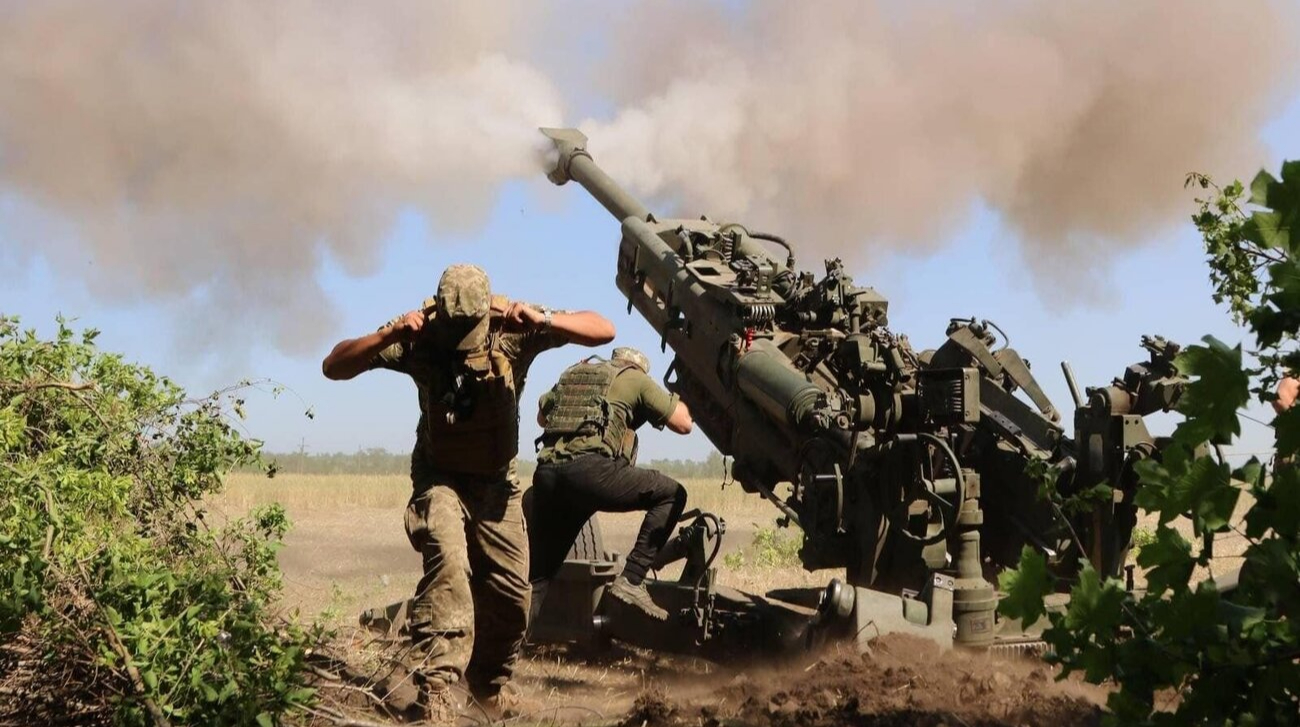

Ukraine Strikes Inflict US$2.3 Billion Loss on Russian Oil Revenues
Ukrainian long-range strikes inflicted at least US$2.3 billion in losses to Russia's oil revenues in March, as reported by President Volodymyr Zelenskyy.[2] These actions, part of ongoing military efforts, targeted key elements of Russia's oil industry, contributing to substantial financial impacts. In a strike Ukraine executed with precision, the operations also extended to other critical infrastructure, demonstrating the reach of Ukrainian capabilities.[1][2]
Overview of Ukrainian Strikes
Ukraine's military has conducted a series of long-range strikes targeting Russian assets, with significant operations reported in recent developments. President Volodymyr Zelenskyy highlighted the effectiveness of these strikes, noting their role in inflicting billions of dollars in losses to Russian oil revenues during March.[1] This overview captures the scope of these actions, which have focused on disrupting Russia's economic and military infrastructure.
The strikes represent a strategic use of long-range capabilities by Ukrainian forces. According to reports, these operations have directly affected Russia's oil sector, leading to revenue shortfalls estimated in the billions.[1] Beyond oil targets, Ukrainian military actions have included precision strikes on manufacturing facilities vital to Russia's war effort. Specifically, Ukraine struck a drone production plant in Russia's Taganrog, an action confirmed by Ukraine's General Staff.[3]
These strikes underscore the evolving nature of the conflict, where long-range weaponry plays a pivotal role. The Kyiv Independent detailed how Ukraine's long-range strikes have imposed substantial economic pressure on Russia through oil revenue losses in March, as stated by Zelenskyy.[1] Similarly, confirmation of the Taganrog strike points to a broadening of targets to include drone production, which supports Russia's aerial operations.[3]
In detailing these military actions, the reports emphasize the precision and impact of Ukrainian strikes. The long-range strikes on oil-related infrastructure align with efforts to undermine Russia's financial backbone in the energy sector.[1] The Taganrog operation further illustrates how Ukraine is addressing threats from Russian drone technology.[3] These elements combine to paint a picture of coordinated strikes aimed at high-value targets.
Expanding on the reported actions, Zelenskyy's statements frame the strikes as a direct response to Russian aggression, with measurable outcomes in revenue disruption.[1] Military confirmations add credibility to the drone plant strike, situating it within the latest updates on the Ukraine war.[3] Together, these reports from reliable sources provide a clear introduction to the key military engagements undertaken by Ukraine.
The consistency across sources reinforces the significance of these strikes. Both oil revenue impacts and the Taganrog facility attack highlight Ukraine's ability to project force deep into Russian territory.[1][3] This overview sets the stage for understanding the multifaceted approach of these operations.
Impact on Russian Oil Revenues
{IMAGE_2}
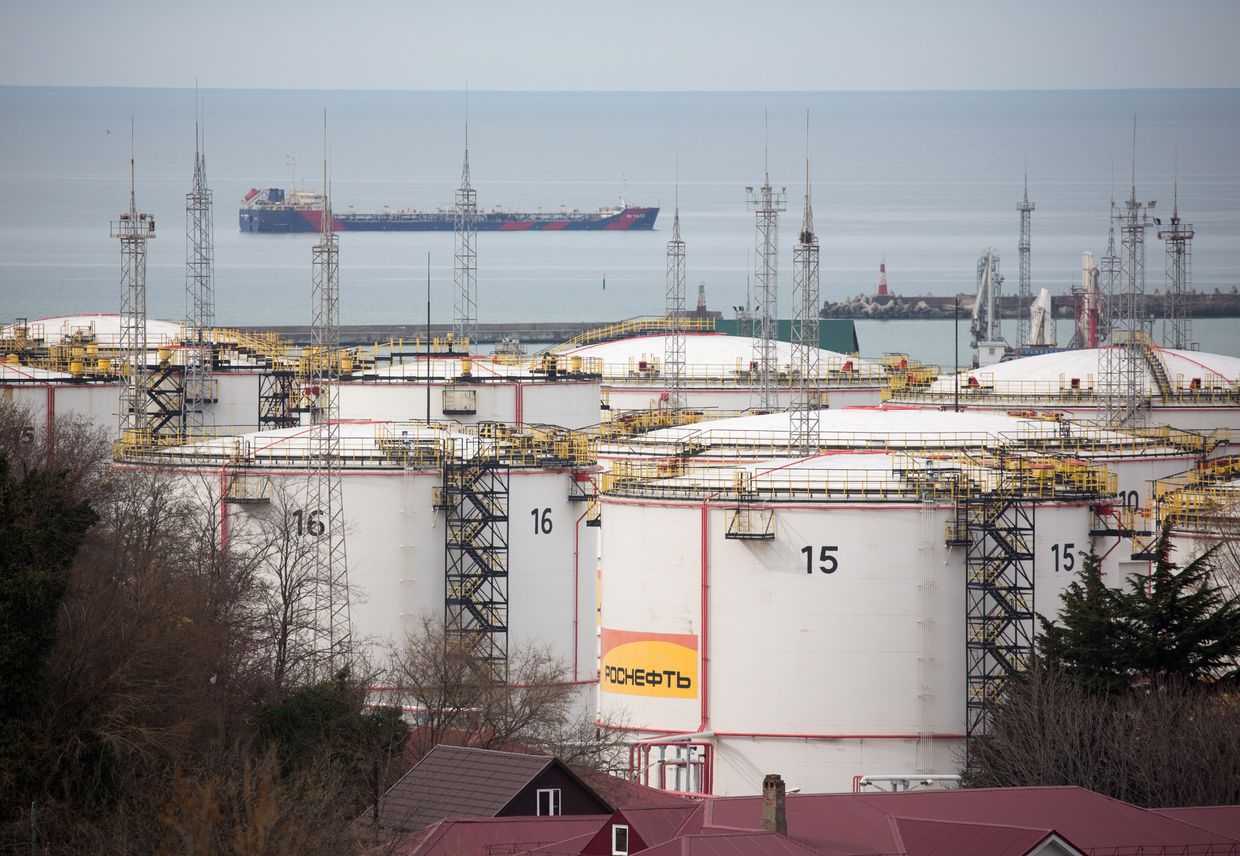
President Volodymyr Zelenskyy has explicitly stated that Ukrainian long-range strikes caused losses of at least US$2.3 billion to Russia's oil industry in March.[2] This financial toll represents a targeted effort to erode Russia's economic resources derived from oil exports and production.
Zelenskyy's report details how these strikes wiped out a substantial portion of Russian oil revenues, amounting to no less than US$2.3 billion for the month.[2] The Kyiv Independent echoes this by reporting billions in losses from Ukraine's long-range strikes on Russian oil revenues, attributing the statement to Zelenskyy.[1] Such impacts stem from disruptions to the oil industry, where infrastructure critical to revenue generation was hit.
The scale of the losses, as quantified by Zelenskyy, underscores the strategic value of these operations.[2] Russia's oil industry, a cornerstone of its budget, faced direct financial setbacks from Ukrainian strikes.[2] Reports indicate that the long-range nature of these attacks allowed Ukraine to reach and damage key oil-related assets, leading to the reported revenue wipeout.[1][2]
Ukrainska Pravda provides the precise figure, confirming Zelenskyy's assessment of US$2.3 billion in losses.[2] This amount reflects the cumulative effect of multiple strikes throughout March, each contributing to the overall diminishment of Russian oil income.[2] The financial implications are drawn directly from these official statements, highlighting the precision and effectiveness claimed.
In analyzing the impact, the consistency between sources is notable. Zelenskyy's declaration aligns with broader reporting on billions in losses, emphasizing the oil industry's vulnerability.[1][2] These strikes have inflicted a measurable blow, with the US$2.3 billion figure serving as a benchmark for the economic pressure applied.[2]
Further detail from the reports reveals that the losses are tied specifically to March's operations, suggesting a concentrated campaign.[2] Ukraine's ability to cause such revenue shortfalls through long-range strikes demonstrates a shift in tactical capabilities.[1] The oil industry's role in funding Russian military activities makes these impacts particularly resonant, as per the statements provided.[2]
The reported figures invite consideration of the broader economic strain. Zelenskyy's report positions the strikes as a successful countermeasure, with the US$2.3 billion loss quantifying the achievement.[2] Supporting coverage reinforces this narrative without deviation.[1] This section details the financial ramifications as articulated by Ukrainian leadership and corroborated in media.
Strike on Russian Drone Production
Ukraine's General Staff confirmed a strike on a drone production plant in Russia's Taganrog, targeting facilities that manufacture Molniya and Orion drones.[3][4] This action aimed at reducing Russia's offensive potential by disrupting key manufacturing capabilities.
Ukrainian forces executed the strike on the plant, which produces drones used in military operations.[4] The Kyiv Independent reported the military's confirmation of the Ukraine strike on the Russian drone plant in Taganrog.[3] This facility's role in producing Molniya and Orion models makes it a high-priority target, as these drones contribute to Russia's aerial offensive capabilities.[4]
The attack also involved logistics depots, further hampering Russia's supply chain for drone operations.[4] By striking the production plant, Ukrainian forces sought to limit the output of these drones, directly impacting Russia's ability to sustain drone-based attacks.[3][4]
Reports from Ukrainska Pravda specify the Molniya and Orion production at the Taganrog site, confirming the strike's focus.[4] The General Staff's statement highlights the reduction in Russia's offensive potential as a result.[4] This aligns with ongoing military updates, where such strikes are part of a pattern targeting enemy production.[3]
The effects of the strike are framed in terms of diminished manufacturing capacity. With Molniya and Orion drones being key assets, their production halt represents a tactical gain for Ukraine.[4] Confirmation from military sources lends weight to the operation's success.[3]
Detailing the strike's execution, Ukrainian forces attacked both the plant and associated depots, broadening the impact.[4] The Kyiv Independent's coverage situates this within the latest war developments, emphasizing the military's verification.[3] This precision strike exemplifies efforts to counter Russia's drone advantage.
The reported outcomes focus on the strategic reduction in offensive potential.[4] By naming specific drone models, sources provide clarity on the target's importance.[4] This strike on drone production complements other operations, forming a comprehensive approach to weakening Russian capabilities.[3][4]
Official Confirmations and Statements
{IMAGE_3}
Official statements from Ukrainian leadership and military have confirmed the strikes and their impacts. President Volodymyr Zelenskyy reported the US$2.3 billion losses to Russia's oil industry from long-range strikes in March.[2] Ukraine's General Staff verified the attack on the drone production plant in Taganrog.[4]
Zelenskyy's announcement details how Ukrainian strikes wiped out at least US$2.3 billion in Russian oil revenues.[2] This statement, covered by Ukrainska Pravda, provides a direct account from the president on the financial toll.[2] Similarly, the General Staff confirmed the strike on the Molniya and Orion drone plant, noting attacks on the facility and logistics depots that reduce Russia's offensive potential.[4]
These confirmations establish a clear chain of accountability for the reported actions. Zelenskyy's report on oil revenue losses serves as a high-level endorsement of the strikes' effectiveness.[2] The military's verification of the Taganrog operation adds operational detail.[4]
Sources quote these officials directly, ensuring traceability. For instance, Zelenskyy's claim of US$2.3 billion in losses is precisely attributed.[2] The General Staff's statement on the drone plant strike emphasizes its role in curbing Russian capabilities.[4]
The alignment between presidential and military statements reinforces credibility. Both address distinct but complementary aspects: economic disruption via oil strikes and military degradation through drone production hits.[2][4] This summary captures the essence of these official voices.
Further, the reports highlight the specificity of the claims. Zelenskyy ties the losses explicitly to March's long-range strikes on the oil industry.[2] The General Staff identifies the exact drone models and the strike's broader effects on logistics.[4]
These statements form the backbone of public reporting on the strikes. They provide not only confirmation but also context for the operations' intended outcomes.[2][4]
Broader Context of the Strikes
The strikes fit into the ongoing dynamics of the Ukraine war, where long-range operations target Russian economic and military assets.[1][4] Zelenskyy's report on billions in oil revenue losses situates these actions within a month-long campaign in March.[1]
Ukrainka Pravda's coverage of the General Staff's confirmation on the Taganrog drone plant strike illustrates how such operations reduce Russia's offensive potential amid sustained conflict.[4] The Kyiv Independent frames the oil strikes as part of latest war developments.[1]
These events reflect a pattern of Ukrainian strikes aimed at high-impact targets. Oil revenue disruptions challenge Russia's funding mechanisms, as per Zelenskyy's assessment.[1] The drone production hit addresses immediate threats from aerial assets.[4]
In the broader landscape, the strikes demonstrate sustained Ukrainian initiative. Reports consistently link them to official claims of significant results.[1][4] The combination of economic and military targeting broadens the strategic pressure.
The context provided by sources emphasizes verification and impact. Long-range strikes on oil have yielded quantifiable losses, while the Taganrog action curbs drone proliferation.[1][4] This overview grounds the operations in the reported narrative.
What to watch next
Monitor further statements from President Zelenskyy and Ukraine's General Staff on additional long-range strikes, as they have confirmed impacts on Russian oil revenues and drone production that could influence ongoing military dynamics.[2][4]