Ukraine Strikes 21 Russian Tankers in Sea of Azov as Russia Injures 11 in Kyiv Attack
Russia launched an overnight attack on 10-11 July using more than 120 drones and 12 missiles on Ukraine, injuring at least 11 people including a child in Kyiv, while Ukraine strikes 21 Russian tankers and other vessels in the Sea of Azov used to support its war effort. [4] [2]
Russian Overnight Attack on Kyiv and Other Regions
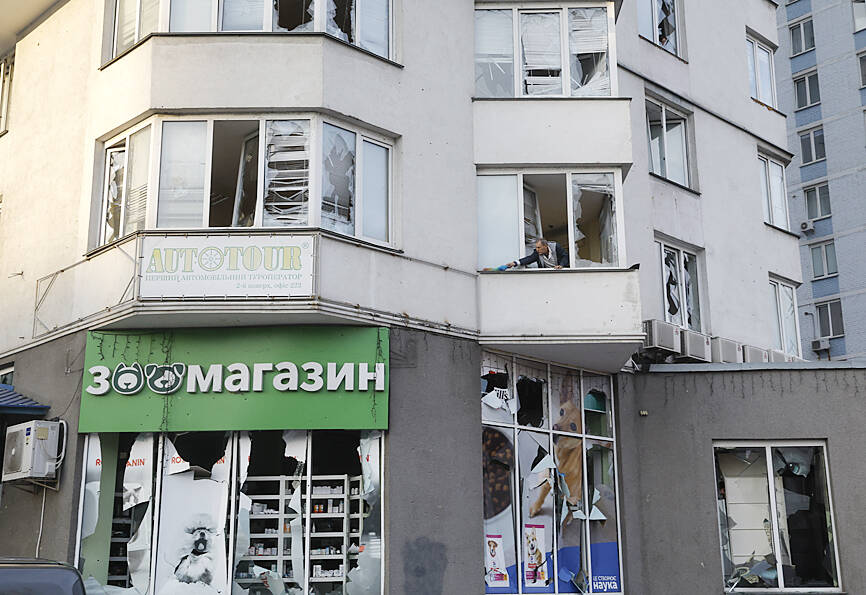
At least 11 people including a child were injured in Russian missile and drone strikes on Kyiv, with damage to residential buildings, offices, a theological seminary, and fires in multiple districts. [1] [4] At least eight people, including an 11-year-old boy, were wounded during the attack on the capital. [3] Four of the injured were hospitalised while the others received medical assistance at the scene. [3] Explosions shook Kyiv before air-raid sirens sounded, prompting officials to urge residents to seek shelter immediately. [3] Damage was reported in several districts of the city, including a fire in a municipal building in the Dniprovskyi district and another in an administrative building in the Solomianskyi district. [3] A street in the Darnytskyi district was also struck, where an electrical panel caught fire and the blast wave shattered windows in nearby buildings. [3] Emergency response efforts continue in Odesa, Sumy, Kharkiv and Chernihiv oblasts. [4] The attack follows recent Ukrainian drone strikes on Russian oil infrastructure. [3]
Breakdown of Weapons Used and Ukrainian Air Defences
Russia used six Iskander-M/S-400 ballistic missiles, four Kh-59/69 guided missiles, two Kh-31 missiles and 121 UAVs. [4] Ukrainian defenders shot down most but not the ballistic missiles. [4] The Air Force reported that half of the 12 missiles launched were ballistic. [4] Ukrainian President Volodymyr Zelenskyy stated that defenders managed to shoot down most of the targets but not the ballistic ones. [4]
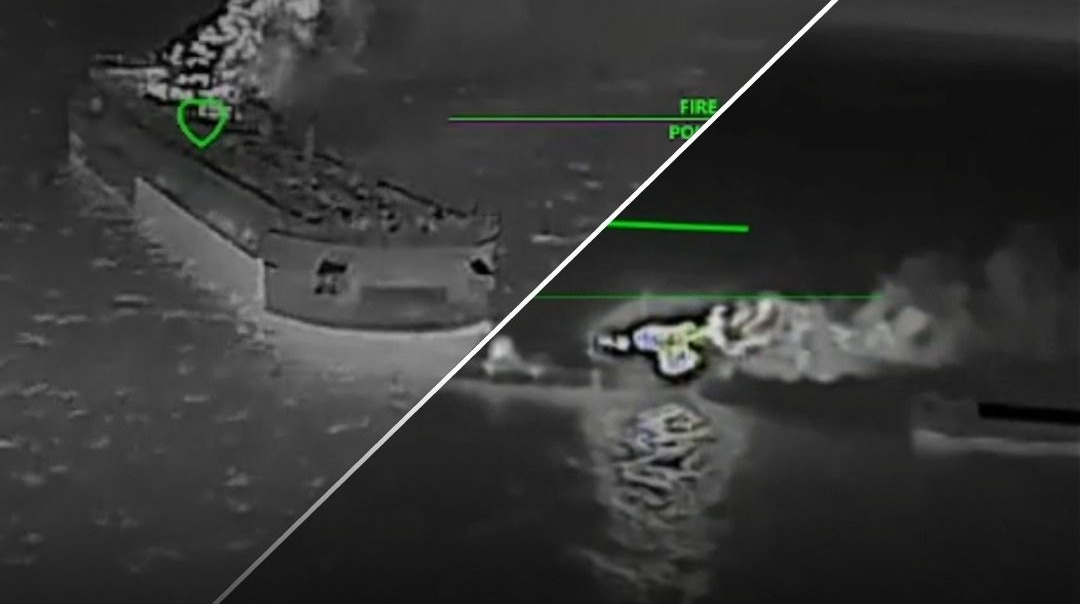
Ukrainian forces strike Russian tankers in the Sea of Azov. — Source: ukrainskapravda
Ukrainian Strikes on Russian Vessels in the Sea of Azov
Ukraine strikes on vessels in the Sea of Azov on the night of 10-11 July recorded hits on 21 Russian tankers. [2] These tankers are used to transport oil and petroleum products in circumvention of international sanctions, generating revenue to finance the armed aggression against Ukraine. [2] Four tugboats, two dry cargo vessels and a dredger were also hit. [2] These vessels support military logistics, transport cargo, and maintain port infrastructure operations. [2] Commander of Ukraine's Unmanned Systems Forces Robert "Magyar" Brovdi later reported that 28 Russian vessels had been hit in total. [2] OSINT analysts from CyberBoroshno published an analysis of strikes on Russian oil infrastructure on the night of 9-10 July, reporting hits on "shadow fleet" vessels, ports and an oil refinery. [2]
Russian Suspension of Shipping and Market Impact
Russia suspended shipping through the Don-Azov Canal and Kerch Strait after the Ukrainian attack on 13 vessels. [2] [5] The suspension followed a Ukrainian attack on 13 Russian vessels in the Sea of Azov on 10 July, including 10 tankers. [5] Russian border guards informed shipping companies of the suspension of all applications for passage through the Kerch Strait from 18:10 local time on 10 July. [5] The notice did not specify when the restrictions would be lifted. [5] Wheat futures on the Euronext exchange rose by 4%, reaching a six-week high, amid rumours of a possible halt to shipping through the Sea of Azov. [5] Up to a quarter of Russia's wheat exports pass through the Sea of Azov. [5]
Zelenskyy's Response and Call for Air Defence Support
Ukrainian President Volodymyr Zelenskyy reported that on the night of 10-11 July Russia struck civilian infrastructure in Ukraine. [4] He said the strikes hit residential buildings, offices and a theological seminary. [4] Zelenskyy stated: "Over the course of the night, Russia launched more than 120 drones and 12 missiles, half of them ballistic. Our defenders managed to shoot down most of the targets – but not the ballistic ones. We expect our partners to deliver on their promises regarding support packages agreed at the NATO Summit to help protect our people. We must move as swiftly as possible on licensing agreements for Patriots and the joint European anti-ballistic defence project." [4]
Context of Intensified Aerial Exchanges
The new attack came only hours after Ukrainian strikes with drones on petroleum infrastructure on Russian territory and the port of Taganrog in southern Russia. [3] In recent months the war has increasingly featured exchanges of long-range aerial strikes in which both sides target objects far behind the front line. [3] Since the beginning of June Kyiv has faced significantly more intense Russian aerial attacks. [3] Ukrainian authorities say Moscow is using ever larger numbers of missiles and combat drones, including ballistic missiles that travel at high speed and are considerably harder to intercept. [3] One of the heaviest attacks on the Ukrainian capital occurred on the night of 1-2 July, when a massive Russian strike killed 30 people and wounded dozens. [3] Ukraine continues to carry out drone strikes on military, energy and logistics infrastructure on Russian territory. [3] Analysts note that the conflict is increasingly shifting away from the front line, with aerial attacks on large cities and strategic sites becoming a central element of the war and increasing risks to civilians and critical infrastructure. [3]
What to watch next: Emergency response efforts continue in Odesa, Sumy, Kharkiv and Chernihiv oblasts following the attack.