
Ukraine Strike Targets Russia's Tuapse Oil Refinery for Second Time
Ukraine has conducted a repeat strike on Russia's Tuapse oil refinery in Krasnodar Krai, as confirmed by Ukrainian forces.[1] This strike Ukraine executed forms part of a broader pattern of operations targeting key Russian energy and military infrastructure, with overnight drone attacks also hitting vessels in Crimea.[3]
Overview of Recent Strikes
Ukraine's recent military actions represent an escalation in its campaign against Russian assets, focusing on energy facilities and naval presence in occupied territories. The Unmanned Systems Forces, Special Operations Forces, and Defence Intelligence (DIU) of Ukraine have confirmed a second strike on the Tuapse Oil Refinery in Russia's Krasnodar Krai, releasing video evidence to substantiate the operation.[1] This follows an intensified series of attacks by Ukraine on Russian military and energy targets, as noted in reports detailing the refinery's targeting for the second time within a week.[3]
These strikes occurred overnight, encompassing not only the refinery but also drone operations against Russian naval vessels in Sevastopol Bay, Crimea. Russian officials have acknowledged damage to transport infrastructure at the Tuapse port in the aftermath.[3] The coordinated nature of these assaults highlights Ukraine's growing reliance on unmanned systems to project force deep into Russian-held or controlled areas, disrupting logistics and fuel supplies critical to Moscow's war effort. Video footage released by Ukrainian intelligence further corroborates the precision of these drone strikes, marking a tactical evolution in Ukraine's long-range capabilities.[1][3]
Details on Tuapse Oil Refinery Attack
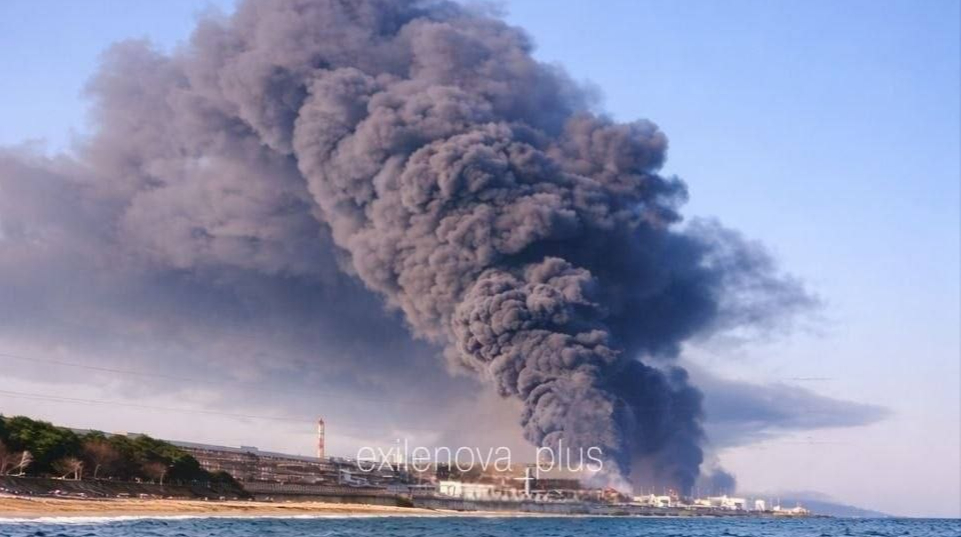
The Tuapse Oil Refinery, a significant energy processing facility in Russia's Krasnodar Krai, sustained a confirmed repeat strike from Ukrainian forces, with video evidence showing the site ablaze.[1][3] Ukraine's Unmanned Systems Forces, alongside Special Operations Forces and DIU, executed this operation, marking the second hit on the refinery within a week amid Ukraine's broader intensification of strikes on Russian energy infrastructure.[1][3]
Reports indicate the refinery was set on fire following the drone attack, underscoring the vulnerability of such high-value targets to Ukraine's unmanned aerial capabilities.[3] Russian officials have confirmed that the strikes caused damage to transport infrastructure at the Tuapse port, which supports the refinery's operations and regional logistics.[3] This repeat targeting aligns with Ukraine's strategic aim to degrade Russia's fuel production and distribution networks, potentially impacting military sustainment far from the front lines. The involvement of multiple Ukrainian units—Unmanned Systems, Special Ops, and DIU—demonstrates inter-service coordination in executing these deep strikes, with public confirmation via video serving both operational validation and psychological warfare purposes.[1]
Strikes on Russian Warships in Crimea
Overnight drone strikes targeted two Russian landing ships, Yamal and Nikolai Filchenkov, in Sevastopol Bay, Crimea, as part of Ukraine's operations against naval assets in the occupied peninsula.[3][4] Ukrainian intelligence released video footage capturing the strikes on these vessels, providing visual proof of the attacks' impact.[4]
The Yamal and Nikolai Filchenkov, both Ropucha-class landing ships, play key roles in Russia's Black Sea Fleet logistics, facilitating troop and equipment transport to Crimea and beyond.[4] This strike Ukraine carried out in Sevastopol Bay adds to a series of Ukrainian drone incursions challenging Russian naval dominance in the region.[3] The release of video by Ukraine's intelligence underscores the effectiveness of maritime drone operations, which have repeatedly targeted Black Sea Fleet vessels since the conflict's escalation. These actions not only aim to neutralize specific threats but also compel Russia to divert resources to air and naval defenses, straining operational tempo.[3][4]
Reported Casualties and Damage
The drone strikes in Tuapse resulted in one person killed and another injured, according to reports from the incident.[2][3] Russian officials have further detailed damage to transport infrastructure at the Tuapse port, linking it directly to the attacks on the nearby oil refinery.[3]
In the city of Tuapse, the human toll from the drone attack highlights the risks to civilian-adjacent areas when military and energy targets are struck.[2] The port's transport infrastructure, vital for oil shipments and regional trade, sustained confirmed damage, potentially disrupting export flows from the refinery.[3] One fatality and one injury were reported in the latest strike, with the refinery itself visibly on fire in footage, amplifying the strike's material effects.[3] These outcomes reflect the dual impact of such operations: immediate tactical degradation of targets alongside collateral effects on supporting infrastructure and personnel in proximity.[2][3]
Context of Ongoing Conflict
Amid these Ukrainian strikes, Russian forces have maintained aggressive pressure on multiple fronts, launching nearly 100 attacks on Pokrovsk and two other sectors over the past day, according to Ukraine’s General Staff.[5] This activity contributed to a total of 206 military clashes across the front lines on day 1,517 of Russia's large-scale armed aggression against Ukraine.[5]
The Pokrovsk axis, a focal point of intense fighting, saw a significant portion of these assaults, illustrating Russia's push to gain ground despite Ukrainian counterstrikes elsewhere.[5] These near-daily high-volume engagements on key fronts like Pokrovsk provide critical context for Ukraine's remote operations, such as those in Tuapse and Crimea, which seek to offset Russian advances by targeting rear-area vulnerabilities.[5] The persistence of over 200 clashes daily underscores the grinding nature of the conflict, where both sides employ asymmetric tactics—drones for Ukraine, mass assaults for Russia—to shape the battlefield.[5]
What to watch next: Ukrainian forces may continue targeting Russian energy and naval assets like the Tuapse refinery and Black Sea ships, while Russian attacks on fronts such as Pokrovsk persist with high intensity, as indicated by recent General Staff reports of nearly 100 daily assaults.[3][5]