
Ukraine Strike Targets Russian Refinery in Tuapse, Resulting in Fire and One Death
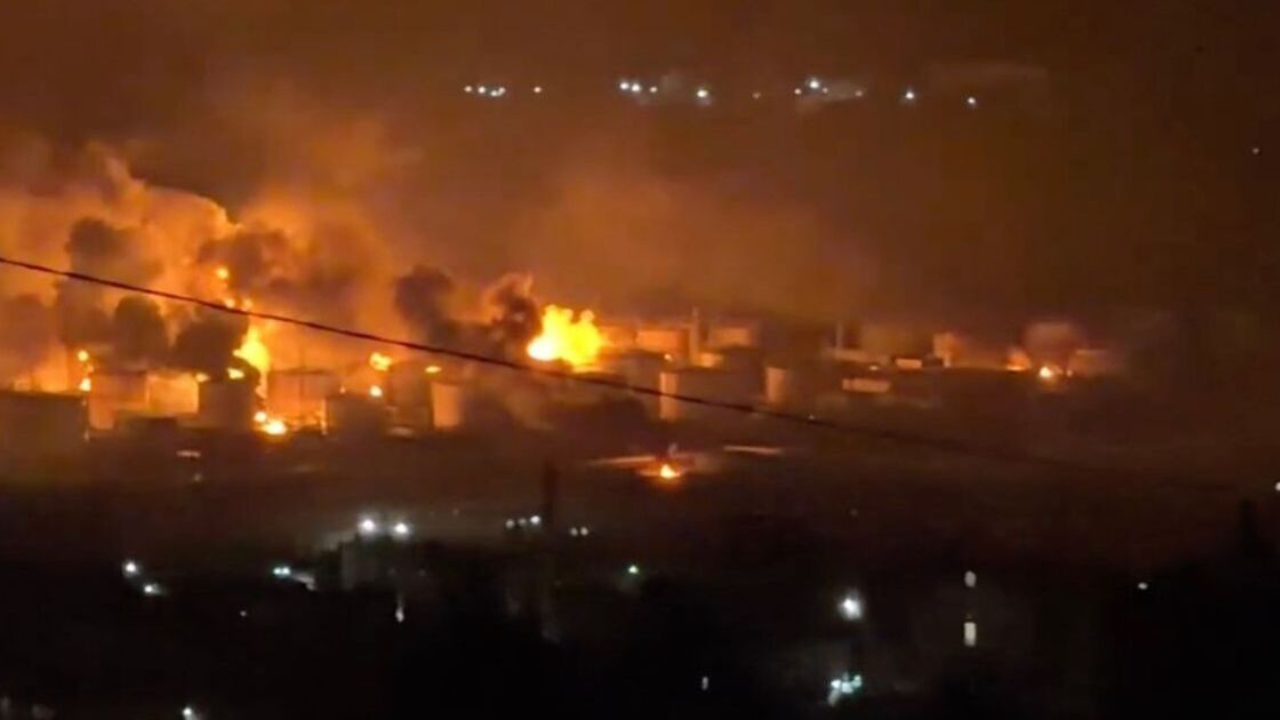
In a series of escalating actions amid the ongoing conflict, Ukraine conducted drone strikes on Russian targets, including the Tuapse oil refinery and warships in Crimea, resulting in damage, one death, and one injury.[2] The strike Ukraine executed on the Tuapse refinery marked the second such attack in a week, igniting a fire and causing damage to transport infrastructure.[2] Ukrainian intelligence released video footage showing drone strikes on Russian landing ships Yamal and Nikolai Filchenkov in occupied Crimea.[3] One person was killed and another injured in the drone attack on the Russian city of Tuapse.[1][2] Meanwhile, Russian forces launched nearly 100 attacks on Ukrainian fronts, including Pokrovsk, over the past day.[4] Ukraine's air defence forces downed or jammed 113 out of 142 Russian drones launched overnight.[5]
Overview of Recent Strikes
The recent drone strikes by Ukraine represent a continued intensification of operations against Russian military and energy infrastructure, as reported in multiple accounts of the events.[2] Overnight actions targeted key assets, including the Tuapse oil refinery on Russia's Black Sea coast and Russian naval vessels in Crimea.[2] The Tuapse facility was struck for the second time within a week, underscoring a pattern of repeated assaults on this critical energy site.[2] Russian officials acknowledged damage to transport infrastructure at the Tuapse port following the attack, which also sparked a fire visible in footage circulating online.[2] In the Black Sea region, specifically Sevastopol Bay in occupied Crimea, Ukrainian drones hit two Russian landing ships, with video evidence released by Ukrainian intelligence confirming the strikes.[2][3]
These operations come as Ukraine has ramped up its use of drones to strike deep into Russian territory and occupied areas, focusing on disrupting logistics and naval capabilities.[2] The attack on Tuapse, a city in Russia's Krasnodar Krai region, resulted in confirmed casualties, with one fatality and one injury reported directly from the drone strike.[1][2] Published reports from April 20 highlight the immediacy of the incident, describing it as an "attaque de drones sur la ville russe de Touapsé" that led to a death.[1] Broader coverage notes that these strikes are part of Ukraine's strategy to target energy targets alongside military ones, with the refinery's repeated hits suggesting vulnerability in Russian defensive postures.[2] The combination of refinery and warship strikes illustrates a multi-pronged approach, hitting both economic and military nerves in a single night of operations.[2]
Attacks on Russian Warships in Crimea
Ukrainian intelligence has publicly shared video footage documenting drone strikes on two specific Russian landing ships in occupied Crimea: the Yamal and Nikolai Filchenkov.[3] These vessels, part of Russia's Black Sea Fleet, were targeted in Sevastopol Bay, a strategically vital naval hub under Russian control.[2][3] The footage released by Ukraine's intelligence services provides visual confirmation of the drones' impact on these ships, highlighting the precision of the operation.[3]
Reports indicate that the strikes occurred overnight, aligning with a broader wave of Ukrainian drone activity against Russian naval assets in the region.[2] The Yamal and Nikolai Filchenkov are large landing ships capable of transporting troops and equipment, making them high-value targets in the context of Russia's operations in Crimea and beyond.[3] Ukrainian sources emphasize the success of these strikes, with the video serving as evidence of direct hits.[3] Russian responses to the incident have not been detailed in available reports, but the release of the footage by Ukraine aims to demonstrate the effectiveness of its long-range drone capabilities against fortified positions in occupied territory.[2][3]
This incident fits into a pattern of Ukrainian efforts to challenge Russian dominance in the Black Sea, where naval assets like these landing ships play a crucial role in sustaining military logistics.[2] The strikes on Yamal and Nikolai Filchenkov add to previous Ukrainian claims of damaging or sinking Russian warships in the area, though specific damage assessments from independent sources remain tied to the provided intelligence video.[3]
Strike on Tuapse Refinery
The drone strike Ukraine carried out on the Tuapse oil refinery has drawn significant attention due to its direct impact on Russian energy infrastructure and the resulting human cost.[1][2] Located in the Russian city of Tuapse, the refinery was set ablaze following the attack, with flames visible in videos shared widely.[2] This marked the second strike on the facility within a week, pointing to its repeated targeting as a strategic energy asset.[2]
Russian officials confirmed damage to transport infrastructure at the Tuapse port adjacent to the refinery, which could disrupt oil shipments and logistics in the Black Sea region.[2] The attack claimed one life and left another person injured, as reported in direct coverage of the event in Tuapse.[1][2] The incident unfolded on April 20, with initial reports emphasizing the drone assault's lethality in a civilian-adjacent area.[1] Firefighting efforts were mobilized, but the blaze underscored the refinery's vulnerability despite prior defensive measures.[2]
The Tuapse refinery processes significant volumes of oil, and its disruption aligns with Ukraine's broader campaign against Russian fuel supplies supporting the war effort.[2] Casualties from the strike—one killed and one injured—highlight the risks to personnel in such facilities during aerial attacks.[1][2] Infrastructure damage at the port extends the strike's effects beyond the refinery itself, potentially hampering Russia's export capabilities.[2] These details emerge from on-the-ground confirmations and visual evidence, painting a picture of substantial operational impact.[1][2]
Russian Military Responses and Attacks
Russian forces have maintained aggressive pressure on Ukrainian positions, launching nearly 100 attacks on key fronts including Pokrovsk and two others over the past day.[4] According to Ukraine's General Staff, this activity contributed to a total of 206 military clashes across the front lines on day 1,517 of Russia's large-scale armed aggression against Ukraine.[4]
The focus on Pokrovsk, a critical area in Donetsk Oblast, reflects ongoing Russian efforts to advance amid heavy fighting.[4] These assaults involved infantry and mechanized units probing Ukrainian defenses, resulting in sustained combat across multiple sectors.[4] The high number of attacks—approaching 100 in 24 hours—indicates intensified Russian operations, likely in coordination with aerial drone barrages.[4] Ukraine's reporting frames these as part of a broader pattern of daily hostilities, with Pokrovsk bearing significant attention due to its logistical importance.[4]
This ground-level escalation coincides with the Ukrainian strikes, suggesting a tit-for-tat dynamic in the conflict.[4] The General Staff's tally of 206 clashes provides a comprehensive snapshot of the intensity, where Russian forces initiated nearly 100 specific assaults on prominent fronts.[4]
Ukrainian Air Defence Efforts
Ukraine's air defence systems demonstrated resilience overnight, destroying or jamming 113 out of 142 Russian drones launched, including jet-powered UAVs.[5] The Russian barrage consisted of Shahed and other drone types, marking a substantial aerial assault aimed at overwhelming Ukrainian defences.[5]
Some strikes were recorded despite the high interception rate, indicating that a portion of the drones evaded or partially succeeded.[5] Ukraine's forces employed a combination of electronic warfare and direct shoot-downs to neutralize the majority, with 113 confirmed as downed or jammed.[5] This performance highlights advancements in Ukrainian air defence capabilities against massed drone attacks, a staple of Russian tactics.[5]
The overnight operation involved 142 drones, underscoring the scale of Russia's drone campaign, yet Ukraine's response limited the damage.[5] Reports from Ukrainian sources detail the inclusion of jet-powered UAVs, adding complexity to the defence challenge.[5]
What to watch next: With Russian forces launching nearly 100 attacks on fronts like Pokrovsk[4] and continuing drone barrages of up to 142 units overnight[5], alongside Ukraine's repeated strikes on energy and naval targets like Tuapse and Crimea warships[2], further escalations in both aerial and ground operations are anticipated amid day 1,517 of hostilities.[4]