
Ukraine Strike Causes $2.3 Billion Loss in Russian Oil Revenues
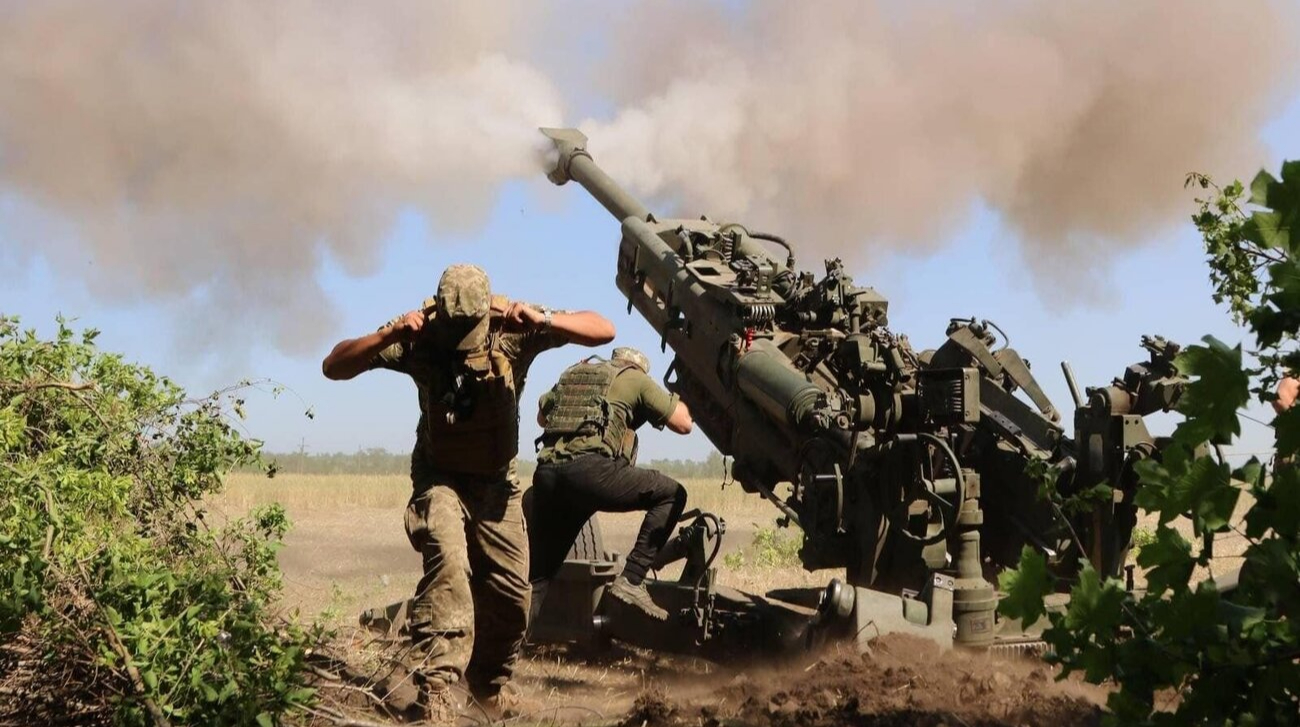
Ukrainian long-range strikes caused losses of at least US$2.3 billion to Russia's oil industry in March, as reported by President Volodymyr Zelenskyy [1]. These actions highlight ongoing strike Ukraine efforts by Ukrainian forces targeting key Russian infrastructure, including oil facilities and military production sites, with confirmations from official Ukrainian military sources [2][3].
Overview of Recent Ukrainian Strikes
Recent Ukrainian military operations have focused on high-value Russian targets, encompassing both economic and military assets. President Volodymyr Zelenskyy detailed the impact of long-range strikes on Russia's oil sector, noting losses amounting to at least US$2.3 billion in March alone [1]. This figure underscores the scale of these operations as part of a broader strategy to disrupt Russian capabilities.
In parallel, Ukrainian forces executed a precise strike on a drone production facility in Taganrog, Russia, targeting specific manufacturing sites [2][3]. Ukraine's General Staff confirmed the attack, emphasizing its role in ongoing efforts to diminish Russia's offensive potential [3]. These strikes represent a continuation of Ukrainian military actions against Russian targets, combining long-range precision with strategic selection of facilities critical to Russia's war effort [1][2][3].
The coordination of these operations reflects a pattern in Ukrainian tactics, where strikes are aimed at both immediate military disruptions and longer-term economic pressures. For instance, the oil industry losses reported by Zelenskyy stem from targeted long-range engagements throughout March, affecting Russia's revenue streams directly tied to energy exports [1]. Similarly, the Taganrog incident involved attacks on production plants and associated logistics, as verified by military reports [3].
Ukrainian officials have consistently highlighted the effectiveness of these strikes in degrading Russian infrastructure. The General Staff's confirmation of the drone plant strike adds credibility to these claims, positioning them within the context of sustained military pressure [2][3]. Overall, these events illustrate a multifaceted approach by Ukraine, leveraging long-range capabilities to strike at economic lifelines and production hubs essential for Russian operations [1][2][3].
This overview draws from reports by Ukrainska Pravda and the Kyiv Independent, which document both the oil revenue impacts and the drone facility engagement [1][2][3]. The strikes' timing in March aligns with intensified Ukrainian operations, as articulated by top leadership [1].
Economic Impact from Strikes on Russian Oil Industry
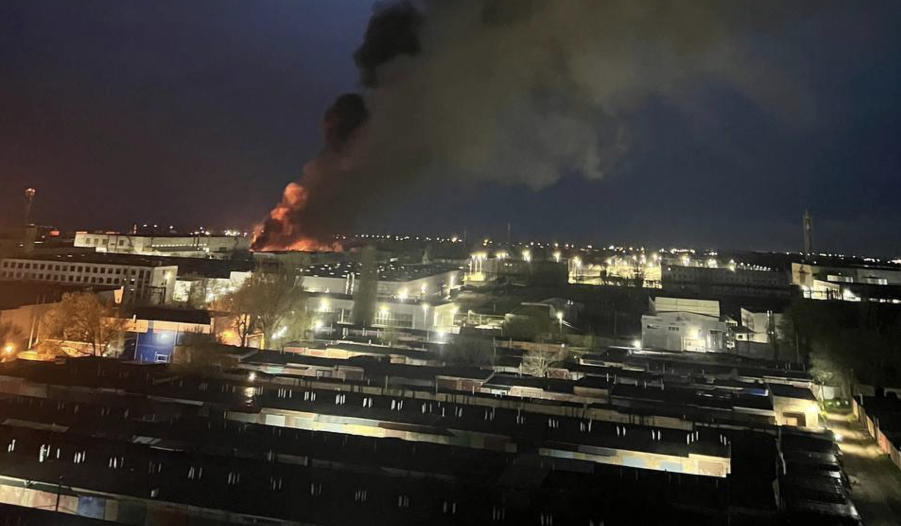
Ukrainian forces strike Russian drone plant in Taganrog, as confirmed by military. — Source: kyivindependent
The financial toll on Russia's oil industry from Ukrainian long-range strikes reached at least US$2.3 billion in losses during March, according to President Volodymyr Zelenskyy [1]. This substantial figure was publicly reported, emphasizing the direct consequences of targeted Ukrainian actions on Russia's energy sector revenues [1].
Zelenskyy's statement positions these strikes as a pivotal element in Ukraine's strategy to impose economic costs on Russia. The US$2.3 billion in wiped-out revenues represents a measurable outcome of long-range operations conducted throughout the month, focusing on oil infrastructure critical to Russia's fiscal stability [1]. Such losses disrupt not only immediate production but also broader revenue generation tied to oil exports, as articulated in the presidential report [1].
Ukrainska Pravda's coverage of Zelenskyy's remarks provides the primary documentation, framing the strikes as responsible for eliminating this amount from Russian oil proceeds [1]. The "at least" qualifier in the report suggests the actual impact may exceed this threshold, based on assessments of the targeted facilities [1]. These economic strikes complement military objectives, aiming to strain Russia's resources over time through repeated long-range engagements [1].
In detailing the scope, Zelenskyy's announcement ties the losses explicitly to Ukrainian long-range strikes, distinguishing them from other factors [1]. This focus on the oil industry highlights its role as a cornerstone of Russian funding for military activities, making it a logical target for Ukrainian operations [1]. The March timeframe specifies a concentrated period of strike activity, with cumulative effects reported by Ukraine's leadership [1].
The reported losses serve as a benchmark for evaluating the efficacy of Ukraine's long-range capabilities against economic targets. By publicly quantifying the damage at US$2.3 billion, Zelenskyy underscores the tangible results of these strikes on Russia's oil-dependent economy [1]. This economic dimension remains central to understanding the broader implications of Ukrainian military actions [1].
Military Strike on Russian Drone Production
Ukrainian forces conducted a strike Ukraine operation against a key Russian drone production plant in Taganrog, specifically targeting the Molniya and Orion facilities [3]. This attack was confirmed by Ukraine's General Staff, marking it as a deliberate effort to impair Russia's drone manufacturing capacity [2][3].
The Taganrog strike hit the drone production plant and associated logistics depots, directly aiming to reduce Russia's offensive potential [3]. Reports from Ukrainska Pravda detail how Ukrainian forces attacked these sites, focusing on facilities responsible for producing drones used in military operations [3]. The Kyiv Independent also confirmed the military's acknowledgment of the strike on the drone plant in Taganrog [2].
This operation exemplifies Ukraine's targeting of Russia's military-industrial base, with the Molniya and Orion plants identified as central to drone output [3]. By striking these production hubs, Ukrainian forces sought to disrupt the supply chain for drones deployed against Ukrainian positions [3]. The General Staff's report emphasizes the reduction in offensive potential as the primary outcome, linking the strike to broader military objectives [3].
Confirmation from Ukraine's military adds official weight to the event, with sources reporting the strike's execution and its focus on drone-related infrastructure [2][3]. The inclusion of logistics depots in the attack suggests a comprehensive approach to hindering not just production but also distribution [3]. This strike Ukraine action fits within ongoing Ukrainian military operations designed to counter Russian aerial threats [2][3].
Details from the sources paint a picture of precision targeting, with the Taganrog facilities bearing the brunt of the assault [2][3]. The dual focus on Molniya and Orion underscores their significance in Russia's drone program, making them high-priority targets [3]. Ukraine's General Staff framed the results as a tangible diminishment of Russia's ability to sustain drone-based offensives [3].
Statements and Confirmations from Ukrainian Officials
{IMAGE_3}
President Volodymyr Zelenskyy provided a key statement on the economic ramifications of Ukrainian long-range strikes, reporting at least US$2.3 billion in losses to Russia's oil industry for March [1]. This official remark from Ukraine's top leadership serves as a primary confirmation of the strikes' impact [1].
Ukraine's General Staff issued a separate confirmation regarding the strike on the Molniya and Orion drone production plant in Taganrog [3]. The military report explicitly states that Ukrainian forces attacked the plant and logistics depots, with the goal of reducing Russia's offensive potential [3]. This aligns with Zelenskyy's broader narrative on long-range operations [1][3].
The Kyiv Independent relayed the military's confirmation of the Taganrog drone plant strike, reinforcing official Ukrainian accounts [2]. Together, these statements from Zelenskyy and the General Staff provide layered validation of the strikes' execution and effects [1][2][3].
Zelenskyy's report, as covered by Ukrainska Pravda, ties the oil losses directly to Ukrainian actions, offering a quantified assessment from the presidency [1]. The General Staff's details on the drone facility add operational specifics, confirming the targeting of production capabilities [3]. These official voices emphasize the strategic intent behind the strikes [1][3].
Ukrainian officials have thus outlined the strikes through public channels, with Zelenskyy focusing on economic damage and the military on tactical gains [1][3]. The consistency across these confirmations strengthens the reporting on both oil and drone targets [1][2][3].
Overall Effects on Russian Capabilities
The combined effects of Ukrainian strikes are positioned to weaken both Russia's economic and military strengths, as per official reports [1][3]. Zelenskyy's report on US$2.3 billion in oil revenue losses highlights the economic strain imposed in March through long-range operations [1].
On the military front, the strike on the Taganrog drone plant, including Molniya and Orion facilities, aims to curtail Russia's offensive potential [3]. Ukraine's General Staff confirmed this reduction, noting attacks on production and logistics as key to limiting drone availability [3].
These impacts contextualize Ukraine's strategy of dual pressure: financial losses erode funding [1], while production disruptions hinder operations [3]. The oil industry losses directly affect revenues supporting military efforts [1], complemented by diminished drone output [2][3].
Official statements frame these as cumulative effects, with long-range strikes delivering measurable reductions in Russian capabilities [1][3]. The General Staff's assessment ties the Taganrog action to broader offensive diminishment [3], echoing Zelenskyy's economic focus [1].
Overall, the sources depict a scenario where Ukrainian strikes systematically target vulnerabilities, yielding both immediate and sustained effects on Russia's war-making capacity [1][2][3].
Key Facts from Ukrainian Strike Operations
Ukrainian forces struck a Russian drone production plant in Taganrog, targeting the Molniya and Orion facilities, as part of efforts to reduce Russia's offensive potential [3]. This action was confirmed by Ukraine's General Staff [2][3].
These operations align with long-range strikes causing at least US$2.3 billion in losses to Russia's oil industry in March, per President Zelenskyy [1]. The strikes represent ongoing Ukrainian military actions against critical Russian targets [1][2][3].
The confirmation and reporting emphasize the strategic focus on high-impact sites, blending economic and military objectives [1][3].
What to watch next
Continued Ukrainian long-range strikes may further target Russian oil facilities and drone production sites like those in Taganrog, as part of operations to reduce Russia's offensive potential and economic revenues [1][3].