
Ukraine Conflict Sees 20 Russian Vessels Hit in Single Night of Black Sea Drone Attacks
The Ukraine conflict has escalated sharply at sea, with Russia launching repeated missile and drone strikes on the port of Odesa that killed at least three civilians and damaged key infrastructure, while Ukraine conducted one of its largest drone campaigns against Russian vessels in the Black Sea, hitting 20 ships including 17 oil tankers. [1]
Escalation of Naval Attacks on Odesa
Russian strikes on Odesa and the surrounding region have continued for five consecutive days, targeting export ports critical to Ukrainian trade and hitting residential buildings, civilian, industrial and port infrastructure. [1] According to Ukrainian authorities, at least three people were killed and three others injured when a missile struck a residential building in the attack on Odesa. [1] The strikes also damaged civilian, industrial and port infrastructure. [1] Russian attacks on the Odesa region have been directed at key export ports through which a significant portion of Ukrainian trade passes during the war. [1] Russia's Defense Ministry stated its forces targeted port infrastructure in Odesa and Chornomorsk plus four vessels carrying military cargo for Ukrainian forces. [1] In recent days Russian forces have intensified attacks on Ukrainian Black Sea ports and merchant ships. [1]
Ukrainian Drone Campaign Against Russian Shipping
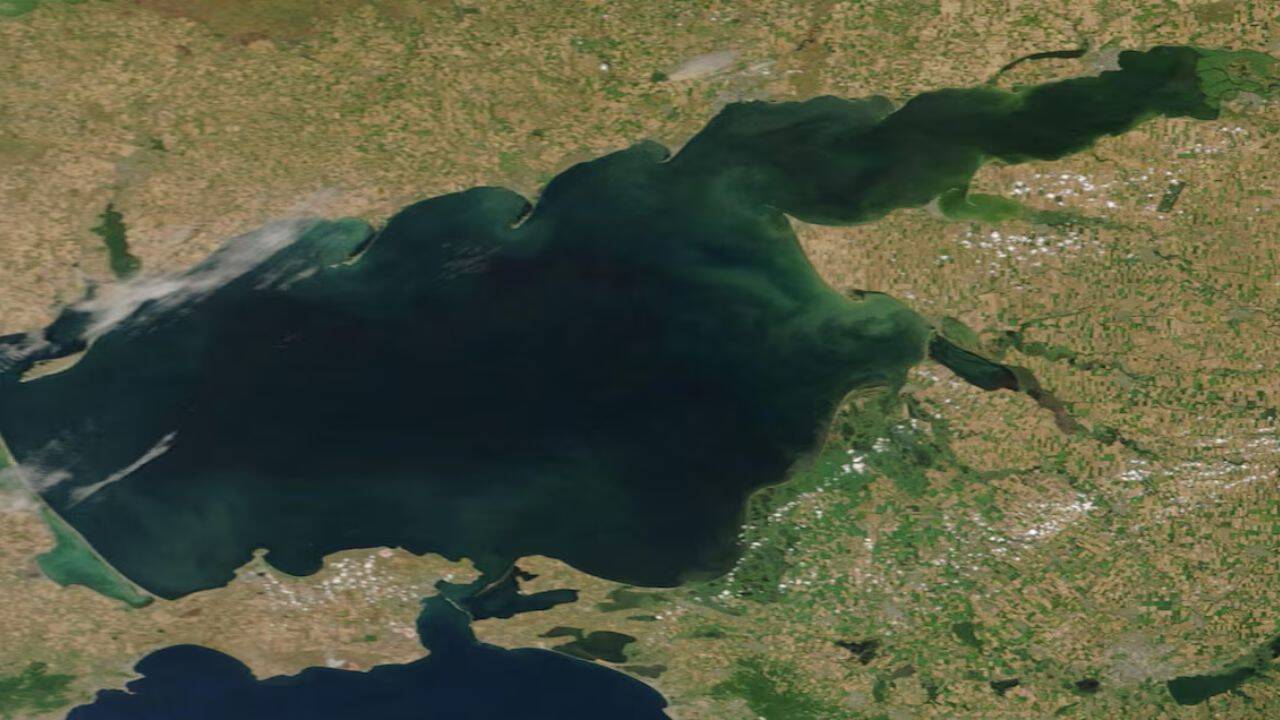
Ukrainian unmanned systems forces reported striking 20 Russian vessels in the Black Sea in one night, part of a broader campaign that has seen 116 ships attacked in the Sea of Azov since the beginning of the month, aiming to disrupt Russian supply lines and isolate occupied Crimea. [1] The commander of those forces, Robert Brovdi, stated that 20 Russian vessels were hit in the Black Sea, among them 17 oil tankers. [1] From the beginning of the month a total of 116 vessels have been attacked in the Sea of Azov. [1] The goal of these operations, according to the Ukrainian side, is to interrupt Russian supply lines and further isolate occupied Crimea. [1] The war against ships has shifted from the Sea of Azov to the Black Sea. [2] Ukrainians sank a Russian vessel that in 2018 was a star of Russian propaganda. [2]
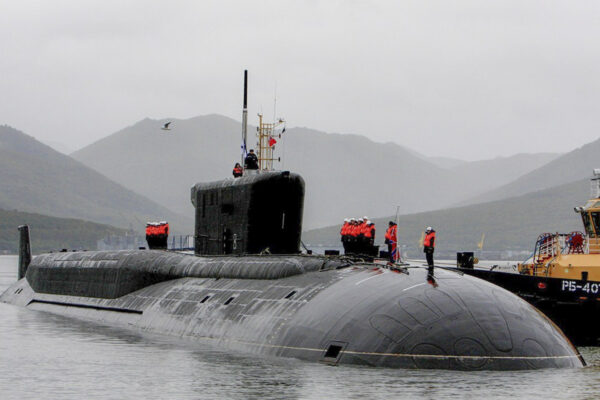
Russian naval base at Vilyuchinsk faces reduced missile defence amid Black Sea losses. — Source: euobserver
Unprecedented Intensity of Maritime Warfare
Ukrainian drone attacks on Russian shipping in the Black and Azov seas have reached unprecedented intensity, matching or exceeding the scale of the 1980s Tanker War between Iran and Iraq, with 116 vessels hit in nine days up to 14 July. [4] In the nine days leading up to 14 July, Ukrainian drones attacked 116 Russian vessels. [4] This pace far exceeds that of the Iran-Iraq war period, when around 450 strikes were recorded over seven years. [4] Ukrainian drones mainly target ship bridges or pipelines that feed liquid cargo into onboard tanks. [4] As a result, vessels do not sink but lose their ability to manoeuvre. [4] Restoring control systems can take a long time. [4] Moreover, damaged ships must be towed to docks for repairs, while tugboats themselves also come under Ukrainian drone attacks. [4] These are highly accurate strikes and a potentially extremely deadly campaign for Russia. [4] Ukraine has executed an unprecedented series of attacks on Russian shipping in an attempt to disrupt fuel and logistics supply chains. [5]
Russian Air Defense Depletion and Relocations
The maritime campaign is part of a broader shift in the conflict, with Ukraine taking the initiative in drone warfare, including strikes on Russian refineries and air defenses, while Russia faces depletion of surface-to-air missile stocks and has relocated systems from lower-priority areas such as Severodvinsk. [2] The process of exhausting Russian air defences has been under way for years, with units from the Arctic bleeding out also in Crimea. [2] Norwegian journalists from The Barents Observer analysed satellite images and concluded that at least 20 launchers of S-300 and S-400 systems have disappeared from two air-defence positions around the city of Severodvinsk since 2024. [2] The systems were most likely moved to southern Russia, the Moscow region or the occupied parts of Ukraine to reinforce air defences after repeated Ukrainian attacks. [2] Lieutenant Colonel Vladimir Spiridonov, a member of the 1528th Anti-Aircraft Missile Regiment from Severodvinsk, died on 30 April 2024 in Crimea during a US ATACMS strike on targets that included his unit. [2] In an effort to repel Ukrainian drone and missile attacks on strategic infrastructure deep inside Russian territory, Russia is expending its stocks of surface-to-air missiles faster than its arms industry can replenish them. [2]

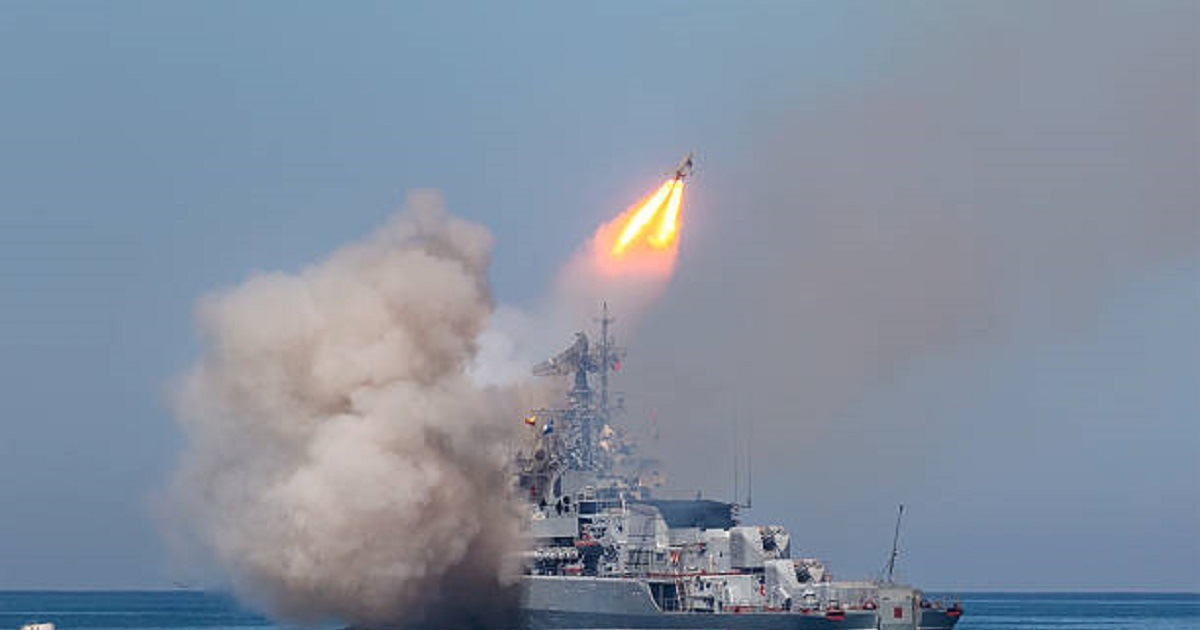
Ukrainian drone strikes hit 20 Russian vessels including 17 oil tankers in the Black Sea. — Source: ylenews
Ukraine's Lead in Drone Warfare
Ukraine's advantages in long- and medium-range drone strikes, innovation through private competition, recent monthly launch totals exceeding Russia's, and the shift to fiber-optic and AI-enabled systems stand in contrast with Russia's scaling ability. [2] [3] Ukraine has taken the initiative in drone warfare. [3] Ukrainian strikes on refineries have caused fuel shortages in various parts of Russia, and Russia's occupation administration had to declare a state of emergency on the Crimean peninsula. [3] In March Ukraine launched more drones toward Russia than Russia launched toward Ukraine, with 7,551 versus 6,462. [3] In April Ukraine launched about 2,000 more drones than Russia, and in May about 700 more. [3] Ukraine has also increased medium-range drone strikes on Russian supply lines 50 to 200 kilometres from the front line. [3] Ukrainian drones have already triggered an energy state of emergency in Crimea. [2] Ukraine's particular strength lies in creativity and the ability to change tactics quickly as battlefield needs change. [3] Production in Ukraine is based on free markets and competing private companies. [3] Russia has been able to adapt to drone warfare and utilises civilian-sector innovations. [3] Ukraine shows the direction in drone development, with exceptions in electronic warfare and fiber-optic drones. [3] Ukraine's Defence Minister Myhailo Fedorov assessed in June that Ukraine will have the upper hand on the battlefield for six months. [3]
Ground Developments on Key Fronts
Russian forces are approaching Sloviansk from the east, the situation of the defenders is deteriorating. [2] Russian forces continue to push west after they took Siversk seven months ago and have covered nearly half the path leading to Sloviansk. [2] The Ukrainian army advanced in the south on the boundary between the Donetsk, Dnipropetrovsk and Zaporizhzhia regions. [2] Ukrainian analysts from DeepStateUA updated their map to show that the Ukrainian army has made gains near the villages of Maliivka, Sichneve, Novohiorhiyivka and Zaporizke. [2] The new version shows an expanded grey zone that is not fully controlled by either army. [2] Heavy fighting is under way in Kostyantynivka. [2]
What to watch next: Ukraine is expected to maintain its lead in drone warfare for six months while Russia continues to learn and scale its own production, with both sides relying on foreign components and shifting toward more autonomous systems. [3]



:quality(30):format(webp):focal(0.5x0.5:0.5x0.5)/kaltim/foto/bank/originals/20260528_Perang-iran.jpg)