:quality(30):format(webp):focal(0.5x0.5:0.5x0.5)/kaltim/foto/bank/originals/20260528_Perang-iran.jpg)

US Strikes Iranian Ports and Missile Sites After Reimposing Naval Blockade
The United States launched a new wave of strikes against Iranian military targets on July 15, 2026, following its reimposition of a naval blockade on Iranian ports amid escalating conflict over control of the Strait of Hormuz. These Iran strikes came after Washington unilaterally reinstated strict maritime restrictions on Tehran.
US Launches Fresh Wave of Strikes on Iran
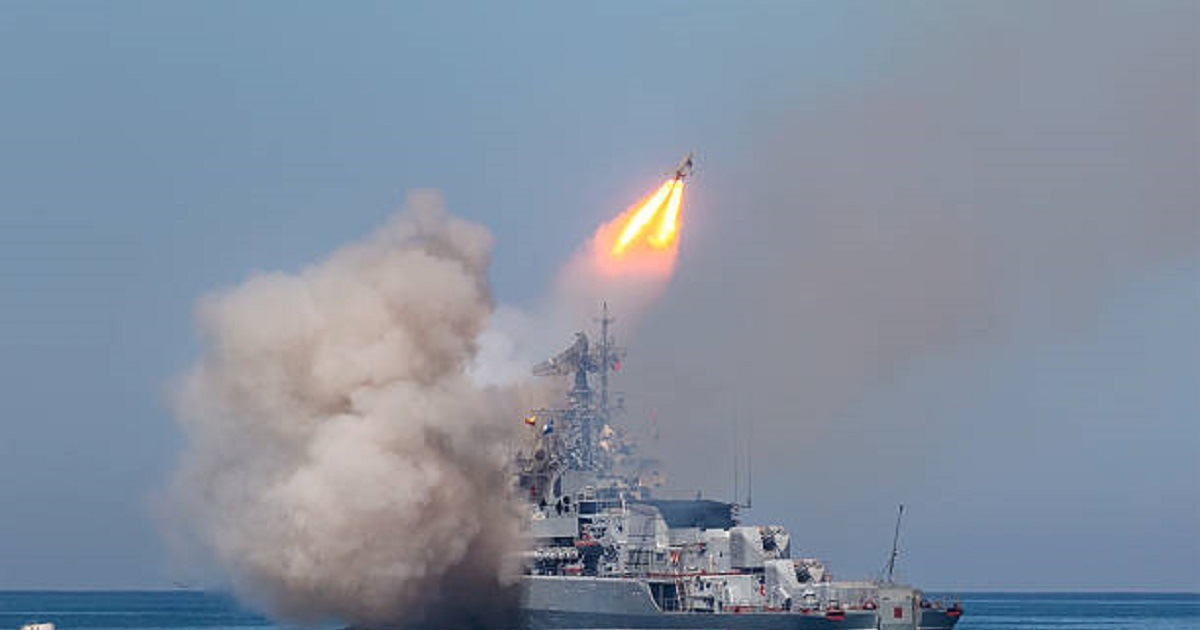
US Central Command stated the strikes, which began at 6 a.m. local time and lasted about 90 minutes, targeted coastal defense systems, cruise missile sites, radars, air-defense systems and more than 60 small boats used by Iranian forces to attack commercial shipping. [3] The operation followed the US reimposition of a naval blockade on Iranian ports. [5] Central Command described the action as designed to further degrade military capabilities Iranian forces have used to attack commercial shipping in the Strait of Hormuz. [1] The strikes mark the latest escalation after an interim Memorandum of Understanding signed last month in Islamabad that was intended to de-escalate the US-Israeli war against Iran. [1]
Targets Hit Along Iran's Southern Coast
Iranian state media reported explosions in the port cities of Bushehr, Bandar Abbas, Bandar Imam Khomeini and on Qeshm Island. [1] The US also unleashed naval drones against a submarine and ship maintenance facility in the port city of Bandar Abbas. [2] Bandar Abbas holds a peerless strategic position on the northern shore of the Strait of Hormuz and serves as the hub for Iranian maritime logistics. [2] The city of more than half a million people is home to the country’s largest container terminal and responsible for more than half its maritime traffic. [2] US Central Command said the military had attacked coastal defense systems and cruise missile storage and launch sites on Iran’s Greater Tunb Island. [3]
Context of the Failed Ceasefire
The strikes follow an interim Memorandum of Understanding signed last month in Islamabad that was intended to de-escalate the US-Israeli war against Iran, but tensions reignited over Iran's closure of the Strait of Hormuz and attacks on commercial vessels. [1] The Memorandum of Understanding declared that Tehran would dedicate its best efforts to allowing commercial vessels to safely transit the strait for 60 days while Iran and Oman would agree on the future administration of the strait. [2] Iranian Deputy Minister of Foreign Affairs Kazem Gharibabadi said the renewed US blockade has in a way dismantled the Islamabad memorandum. [5] Hostilities have intensified since Iran said late on Saturday it had closed the Strait of Hormuz. [3]
Iranian Military and Civilian Casualties
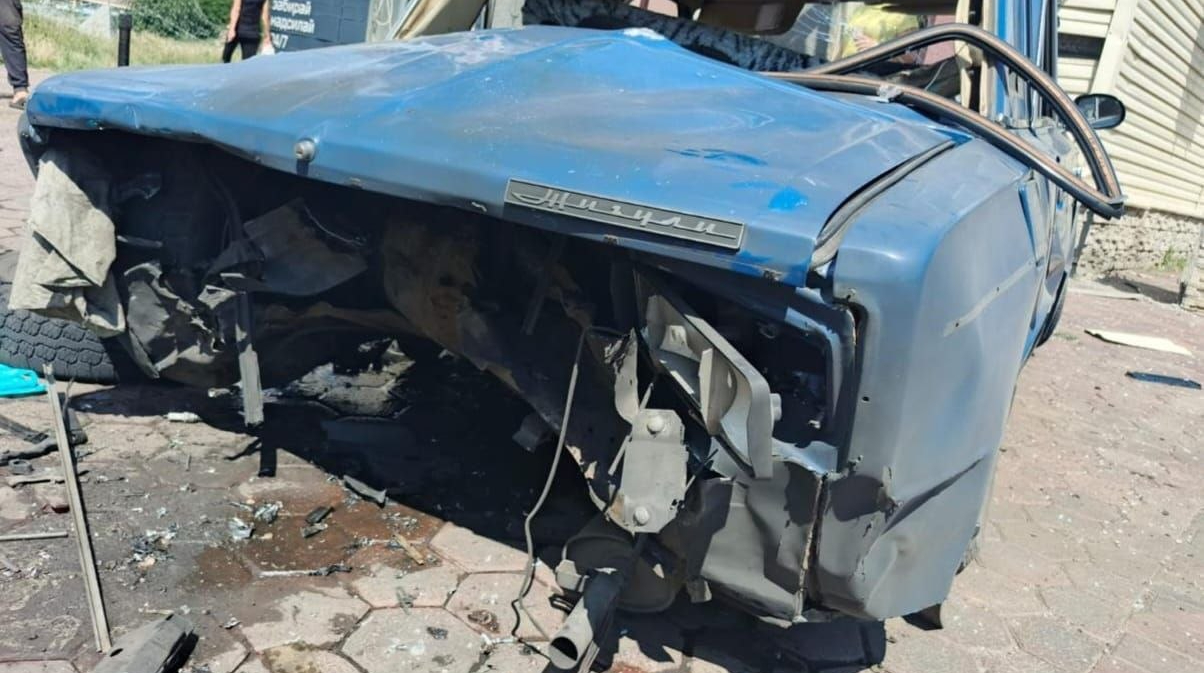
Iranian state media reported at least 30 civilians killed in recent US strikes on southern Iran and seven military personnel killed at the Bampur base. [3] Iran’s army said at least seven active-duty and conscript personnel were killed in overnight US strikes on the Bampur military base in the country’s southeast. [3] CENTCOM rejects Iranian claims that US strikes hit a civilian wheat storage facility. [4] The US military claims the July 14 strikes targeted Iranian military sites, not civilian infrastructure. [4]
Iran's Retaliatory Actions and Threats
Iran responded by striking US military targets in Bahrain, Kuwait and Jordan. [3] Iran’s Islamic Revolutionary Guard Corps said it had struck US military targets in the region, including in Bahrain, Kuwait and Jordan. [5] Iran threatened to close additional regional energy export corridors and vowed the Strait of Hormuz would remain shut until the end of what it called America's aggression. [3] The IRGC said the Strait of Hormuz would remain closed until the end of America’s evils. [3] Iran also threatened to shut off more regional energy exports, saying the US must brace for the closure of all other export corridors that benefit the US and its allies. [3]
Trump's Warnings and Regional Impact
US President Donald Trump threatened further strikes on Iranian power plants and bridges next week unless Tehran returns to negotiations. [5] Trump said next week it gets really bad for them and that he would save the energy targets for last. [3] CENTCOM rejected Iranian claims that US strikes hit a civilian wheat storage facility. [4] Bandar Abbas continues to serve as the backbone of the Islamic Republic’s maritime logistics, and analysts note that infrastructure damage there is long term because dry docks, repair yards and maintenance facilities are not easily replaceable. [2] The war has killed thousands of people and displaced millions, mainly in Iran and in Lebanon. [3]
What to watch next: Analysts say Iran is signalling it may use its Houthi allies in Yemen to shut Bab el-Mandeb, opening a new front against Washington and putting two of the world’s most vital energy arteries at risk. [3]