
Ukraine conflict records 317 clashes with heaviest fighting on Pokrovsk front
In the ongoing conflict Ukraine, fresh data from the front lines shows sustained high-intensity fighting across multiple sectors. The latest reporting highlights how Ukrainian forces continue to face coordinated Russian pressure, particularly in key eastern areas where the bulk of engagements took place.
Daily Combat Activity
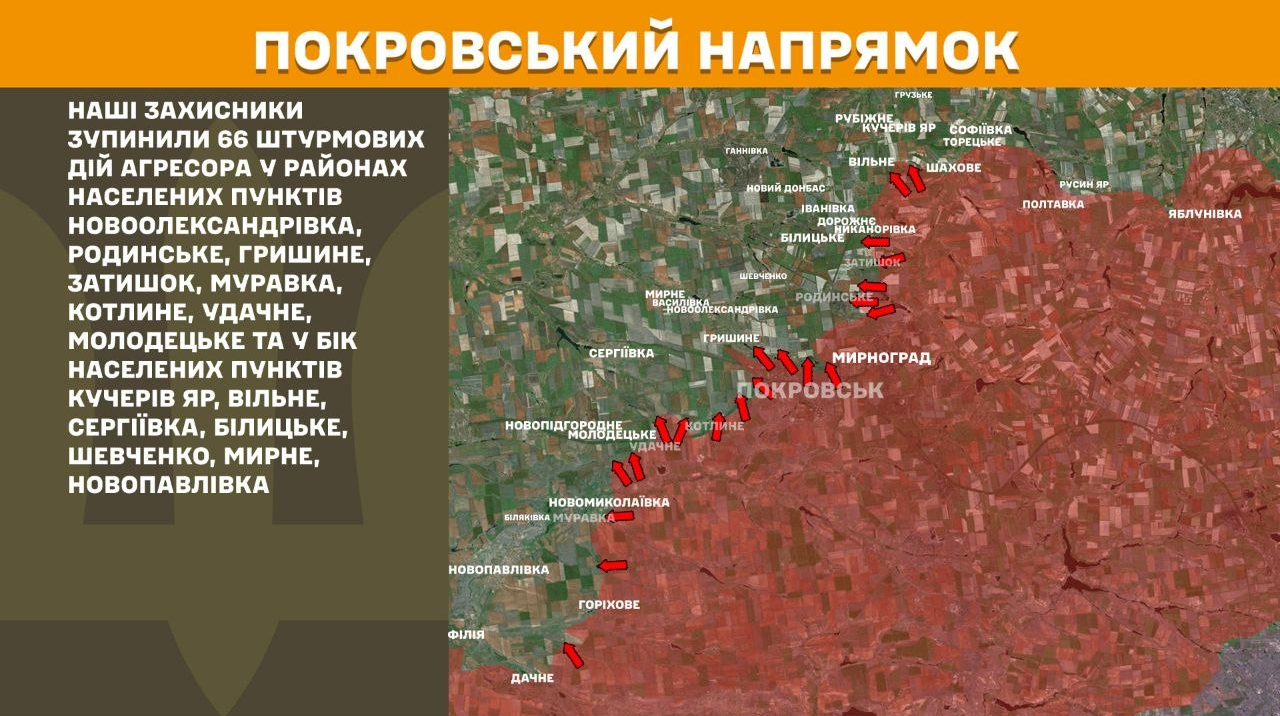
Ukraine's General Staff recorded a total of 317 combat clashes over the past day. The distribution of these clashes reveals clear concentrations of Russian offensive effort. The Pokrovsk front accounted for 66 of the recorded clashes, making it the most active sector. The Huliaipole front followed with 35 clashes, while the Kostiantynivka front saw 15 clashes. These figures come directly from official battlefield summaries and illustrate the uneven but persistent nature of Russian assault attempts across the line of contact. [1]
The concentration on the Pokrovsk axis suggests Russian commanders continue to prioritize this direction despite mounting difficulties in sustaining momentum. Each clash represents a discrete engagement involving infantry, armored vehicles, or artillery support, and the cumulative total of 317 indicates that Russian units maintained a high operational tempo even as overall progress remained limited. The data from the General Staff provides a granular view of where Russian forces chose to commit resources, with the three named fronts together representing a significant portion of the day's activity. Additional clashes occurred on other fronts, but the reported numbers underscore the focus on Pokrovsk, Huliaipole, and Kostiantynivka. [1]
Russian Personnel Losses
Ukraine's General Staff updated its assessment of Russian casualties, stating that Russia lost 1,160 soldiers killed and wounded over the past day. This daily figure contributes to the broader tally of Russian personnel losses accumulated since the start of the full-scale invasion. The update reflects the intensity of fighting, especially in sectors where multiple clashes were recorded. [2]
Such daily loss reports are compiled from battlefield observations, intercepted communications, and confirmed strikes on Russian positions. The 1,160 figure covers both fatalities and injuries sustained during the 317 clashes and related operations. Ukrainian officials have consistently released these updates to provide transparency on the human cost borne by Russian forces. Over repeated days, these incremental losses accumulate into substantial totals that affect unit cohesion and replacement requirements for Russian formations. [2]
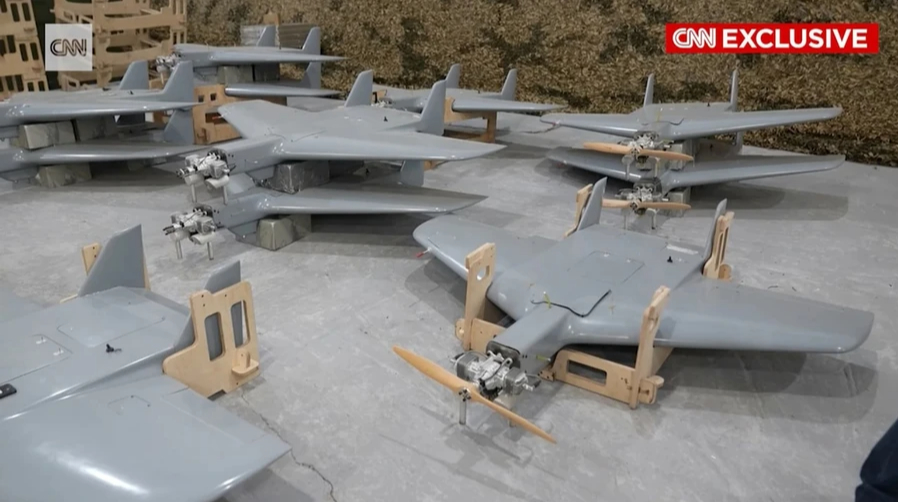
Ukraine launches Logistics Lockdown programme targeting Russian rear logistics. — Source: ukrainskapravda
Overall Offensive Status
Reporting on the conflict Ukraine indicates that the Russian offensive has ground to a halt. This assessment aligns with observed battlefield dynamics in which Russian units have been unable to achieve significant territorial gains despite sustained pressure on several fronts. The stalled character of the offensive is evident in the pattern of combat activity, where high numbers of clashes have not translated into measurable advances. [4]
Analysts tracking the situation note that Russian forces appear constrained by logistical challenges and effective Ukrainian defensive measures. The absence of breakthrough momentum has forced Russian commanders to maintain a grinding approach focused on incremental pressure rather than rapid maneuver. This status reflects the current phase of operations, in which Ukrainian units have successfully blunted the most recent Russian push across multiple axes. [4]
Impacts in Crimea
The stalled Russian offensive has produced secondary effects behind the lines, including fuel rationing in Crimea. Russian authorities in the peninsula have introduced restrictions on fuel distribution as a direct consequence of disrupted supply routes and increased demand from military operations. The connection between the halted advance and these rationing measures highlights how Ukrainian actions in the rear have compounded Russian logistical strain. [4]
Fuel shortages in Crimea affect both civilian and military users, illustrating the wider reach of the current stalemate. The rationing measures serve as a visible indicator that Russian supply chains are under pressure from the combination of stalled forward movement and targeted interdiction efforts. Residents and officials in Crimea have had to adapt to these constraints while the broader offensive remains stalled. [4]

Heavy fighting reported on Pokrovsk front amid 317 daily clashes in Ukraine. — Source: gdelt
Ukrainian Rear-Area Operations
Ukraine’s Defence Minister Mykhailo Fedorov announced the launch of the Logistics Lockdown programme. This initiative is designed to expand middle-strike attacks and systematically destroy Russian capabilities in the operational rear. The programme focuses on disrupting Russian logistics nodes, supply depots, and transport infrastructure at ranges beyond the immediate front line. [5]
By intensifying strikes on these targets, Ukrainian forces aim to degrade the sustainment capacity that supports Russian offensive operations. The Logistics Lockdown approach represents a deliberate shift toward systematic pressure on Russian rear-area assets, complementing defensive efforts on the main line of contact. Official statements emphasize the goal of reducing Russian operational effectiveness through repeated, coordinated strikes on logistics targets. [5]
Developments in Conflict Ukraine
The combination of 317 daily clashes, 1,160 Russian personnel losses, and the introduction of the Logistics Lockdown programme paints a picture of a conflict Ukraine that remains dynamic even as Russian forward momentum has stalled. Ukrainian reporting continues to track these metrics closely, providing regular updates on both the intensity of fighting and the results of rear-area operations. The data released by the General Staff and statements from defence officials together offer a consistent view of the current phase. [1] [2] [5]
What to watch next
Observers should monitor further updates from the General Staff on daily clash totals and Russian losses, as well as any announcements regarding expansion of the Logistics Lockdown programme and its effects on Russian supply lines in Crimea and elsewhere.