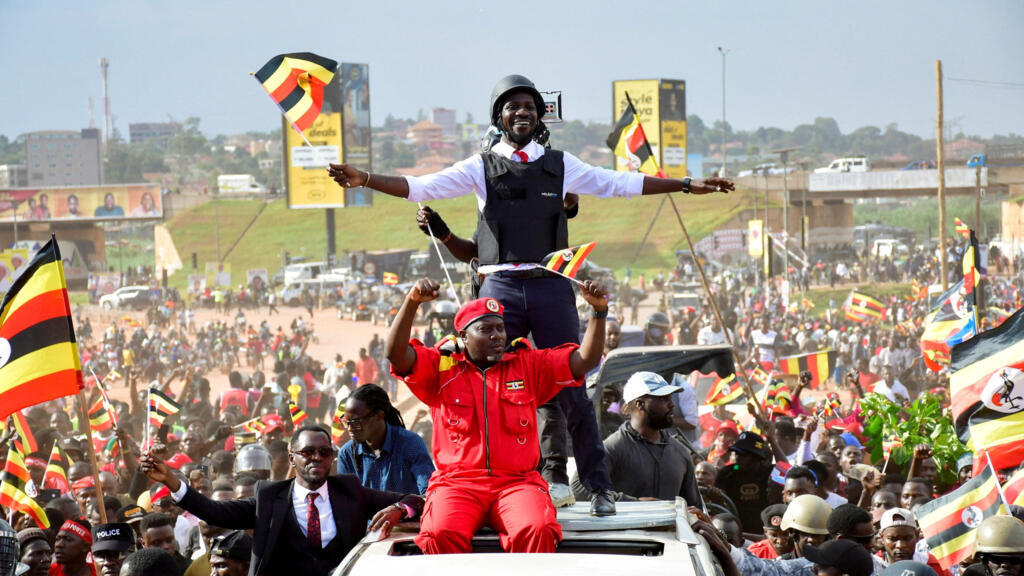

Uganda Braces for Tense Elections Amid Opposition Claims of Internet Blackout and Intensifying Crackdown
KAMPALA, Uganda — As Uganda approaches its presidential election on January 15, tensions are escalating with the main opposition leader, Bobi Wine, accusing the government of planning to shut down internet access to disrupt his campaign mobilization. This claim, voiced on January 5, comes amid a broader crackdown on opposition activities, raising fears of civil unrest in the East African nation.
The allegation of an impending internet blackout highlights longstanding concerns over digital restrictions during politically sensitive periods in Uganda. Bobi Wine, the former entertainer and leader of the National Unity Platform (NUP), warned that such a move would hinder his supporters' ability to organize and communicate effectively. This claim echoes past election cycles, where authorities imposed nationwide internet blackouts, notably during the 2021 polls, which international observers criticized for limiting information flow and voter coordination.
Adding to the pre-election friction, reports indicate a sharp intensification of repression against opposition rallies and gatherings. According to recent coverage from RFI, President Yoweri Museveni's security forces have disrupted multiple NUP events, with rights watchdogs describing the actions as a "brutal campaign of repression." These incidents have included tear gas deployments, arrests, and restrictions on public assemblies, creating an atmosphere of heightened volatility just days before voters head to the polls.
Escalating Pre-Election Tensions
The opposition's challenges are set against the backdrop of Museveni's bid for a seventh term after four decades in power. Having seized control in 1986 following a bush war, Museveni has dominated Ugandan politics through constitutional amendments, including the 2017 removal of presidential age limits that once barred him from running again. Bobi Wine, whose real name is Robert Kyagulanyi, emerged as Museveni's fiercest rival in 2021, drawing massive youth support with his populist message and music background. That election saw Wine claim victory amid widespread allegations of fraud, but official results handed Museveni 59% of the vote.
Current disruptions to NUP rallies underscore the stakes. RFI reported on January 8 that opposition events have been repeatedly marred by security interventions, preventing large-scale mobilization. Human rights groups, including Amnesty International and Human Rights Watch, have documented over 100 arrests of opposition figures in recent weeks, alongside injuries from clashes at campaign sites. These developments have prompted international calls for restraint, with the European Union and United States urging free and fair elections.
The internet blackout claim, rated as a medium-severity civil unrest indicator, fits a pattern of government measures to control narratives. Uganda's communications regulator, the Uganda Communications Commission (UCC), has previously justified shutdowns as necessary to prevent "hate speech" and instability. In 2021, a six-day blackout cost the economy an estimated $1.3 million daily, according to NetBlocks, a internet observatory group. Wine's accusation on January 5 suggests authorities may replicate this strategy, potentially exacerbating divisions in a country where over 70% of the population is under 30 and relies heavily on social media for political engagement.
Historical Context of Electoral Violence
Uganda's electoral history is fraught with unrest. The 2001 polls saw deadly clashes, while 2016 and 2021 elections were punctuated by protests met with lethal force, resulting in dozens of deaths. Museveni's National Resistance Movement (NRM) maintains a strong rural base and military loyalty, but urban youth disillusionment fuels Wine's appeal. Independent commissions have verified past irregularities, including ballot stuffing and voter intimidation.
Background analysis reveals structural issues amplifying tensions. Economic woes, including high youth unemployment at around 13% and inflation hovering near 5%, have stoked grievances. The COVID-19 pandemic worsened these, delaying 2021 elections and curtailing opposition activities under health pretexts.
Outlook for January 15 Vote
With voting just over a week away, the combination of repression claims and digital blackout fears points to a high-risk environment. Security forces have been placed on high alert, and the opposition has vowed peaceful resistance. International monitors from the African Union and Commonwealth are deploying teams, though their influence remains limited.
While no widespread unrest has erupted as of January 8, the medium-severity internet claim signals potential flashpoints. Observers warn that any shutdown could trigger protests, reminiscent of 2021's deadly demonstrations. Uganda's government has not publicly responded to Wine's allegation, but past patterns suggest preemptive measures.
As the nation of 48 million watches closely, the elections will test Museveni's grip on power and the opposition's resilience amid repression. A peaceful vote would mark a rare milestone; failure risks deepening civil divides.
(Word count: 612)






