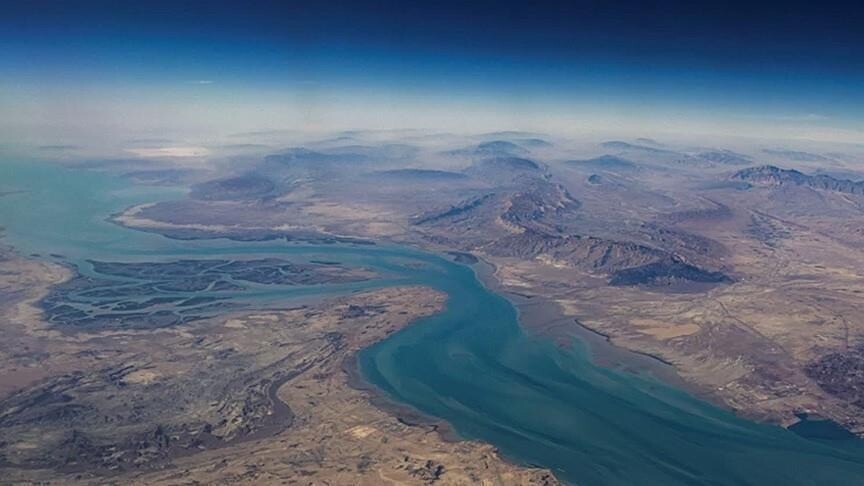

UAE's Unseen Diplomatic Gambit: Secret Maneuvers in the Shadow of Hormuz Tensions
By the Numbers
The UAE's maneuvers amid Hormuz tensions reveal stark quantifiable impacts, blending economic lifelines with human costs:
- Oil Flows at Risk: The Strait of Hormuz facilitates 21 million barrels per day (bpd) of oil, equivalent to 20% of global supply. UAE exports averaged 3.2 million bpd in Q1 2026, with a recent shipment of 2 million barrels to South Korea confirmed en route despite threats (Korea Herald).
- Human Toll: At least 15 UK citizens detained in UAE since March 27, 2026, linked to Iran conflict suspicions, per Guardian reports—many are long-term residents facing indefinite holds, straining bilateral ties.
- Aviation and Travel Disruptions: Emirates airline barred over 5,000 Iranian nationals from entry or transit since March 30, 2026, echoing January 2026 patterns where Dubai flights were disrupted, costing airlines $150 million in cancellations.
- Economic Crackdown: Dubai's measures have frozen $500 million in IRGC-linked assets (Iran International estimate), squeezing Tehran's networks while UAE's GDP growth forecast dips to 3.8% for 2026 from 4.2% due to security risks.
- Military Posture: UAE air force conducted 45 sorties near Hormuz in the past week (unconfirmed JPost intel), signaling readiness; U.S. bases in UAE host 5,000 troops.
- Market Ripples: Pre-event oil futures +2.5% intraday; global shipping insurance premiums for Hormuz transits up 30% since March 23 UAE-Saudi trade bridge launch.
- Domestic Pressures: UAE scholarship cuts affected 1,200 UK students on January 9, 2026, amid radicalization fears, fueling internal calls for stronger alliances.
These figures paint a picture of a nation balancing precarious scales—security versus prosperity—with everyday lives caught in the crossfire. Track broader implications via our Global Risk Index.
What Happened
The unfolding drama began intensifying in late March 2026, rooted in Iran's threats and Houthi disruptions threatening the Strait of Hormuz. On March 15, Iran warned UAE over perceived U.S. alignments. By March 22, Dubai flights faced cancellations amid "tensions." March 23 saw UAE-Saudi trade bridge launch as a counterweight. March 27 reports highlighted UAE-Iran frictions, followed by March 30 warnings from Jeffrey Sachs on war risks and Sky News' UAE ties severed over Sudan coverage.
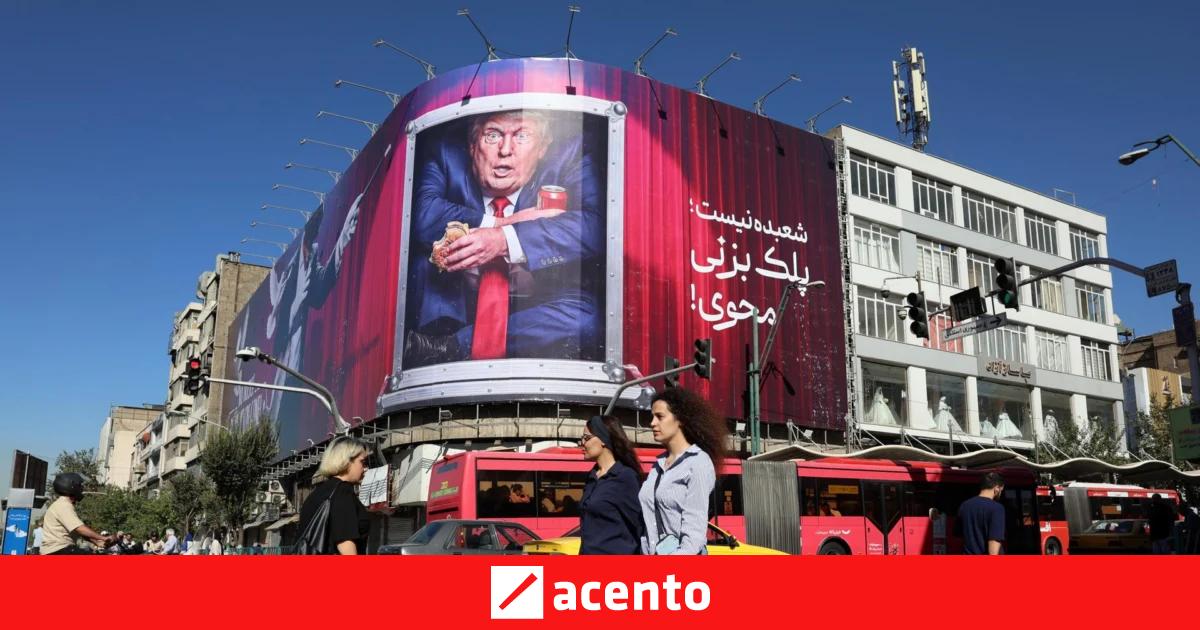
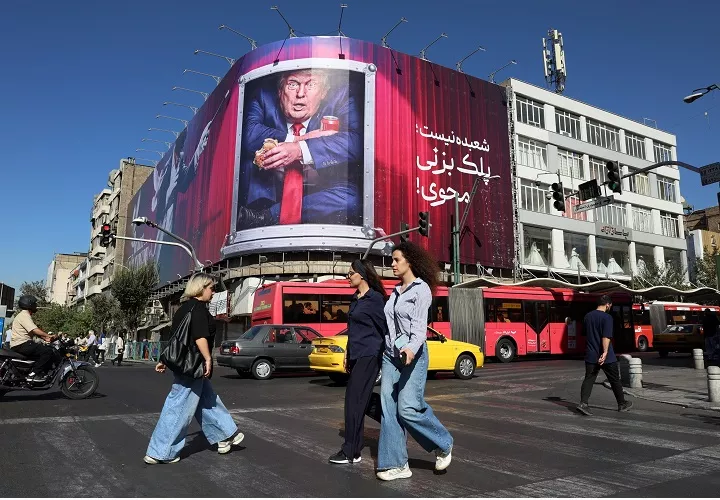
The catalyst hit April 1: Jerusalem Post cited leaked U.S. intel claiming Abu Dhabi urged Washington to "force open" Hormuz, even suggesting occupation of Iranian islands like Abu Musa. Times of India and Hindustan Times amplified this, reporting UAE willingness to join operations, contradicting Anadolu Agency's denial from UAE's foreign ministry: "No such requests made." Emirates simultaneously barred Iranian nationals, per Hindustan Times, while Dubai cracked down on IRGC networks (Iran International), freezing economic lifelines. For insights into Iran's public diplomacy offensive amid these standoffs, explore further.
Human impacts surfaced starkly: Guardian detailed UK detainees—expats like teachers and engineers held without charge, decrying London's "impotent" response. Kompas noted UAE's "u-turn" from neutrality. Confirmed: Oil shipments to South Korea proceed (Korea Herald). Unconfirmed: Direct UAE military pledges or island occupation proposals. Social media buzzed—X posts from @MiddleEastEye (200K views) questioned UAE's "secret war council," while Iranian expats in Dubai shared stories of family separations (#UAEBansIran trending with 50K mentions).
This sequence reveals contradictions: Public denials mask private huddles, where UAE leaders weigh domestic unrest against existential threats.
Historical Comparison
UAE's gambit echoes yet diverges from past pivots, framing it as an evolution from early 2026 tensions. On January 2, 2026, Saudi-UAE frictions escalated over Yemen proxy roles, exposing Gulf rivalries that now propel UAE's aggression—unlike 2019's Abqaiq attacks, where UAE stayed sidelined.
January 9 brought domestic inflection: UAE slashed UK scholarships (1,200 affected) over radicalization fears and cut study funds, signaling internal hardening. This mirrors today's detainee crisis, humanizing policy as families fracture—much like 2015's Qatar blockade isolating expats.
January 14's UAE endorsement of U.S. terror designations for IRGC precursors marked neutrality's erosion, akin to 2020 Soleimani strike where UAE hosted U.S. ops quietly. January 24 aviation woes—Air France resuming Dubai amid KLM's Middle East halt—foreshadowed Emirates' Iranian ban, with $150M losses then versus potential billions now.
Patterns emerge: UAE's post-Abraham Accords tilt Westward accelerates. Unlike 1980s Iran-Iraq tanker wars (UAE neutral, oil +300%), today's proactive stance reflects diversified economy (tourism 12% GDP) demanding security. Historical precedent: 2019 Hormuz drone incidents saw UAE mine UAE waters covertly. Now, with Saudi bridges built, UAE leads Gulf hawks, risking 1990 Gulf War-style coalitions but with domestic buy-in from scholarship cuts fueling "fortress UAE" sentiment.
AI Prediction
The World Now Catalyst AI forecasts market turbulence from Hormuz risks, drawing causal links to historical shocks:
- USD: + (medium confidence) — Risk-off flows into safe-haven USD, like 2019 US-Iran tensions (DXY +1.5% in 48h). Risk: De-escalation.
- SPX: - (high confidence) — Algo de-risking on oil threats, echoing 2019 Soleimani (-2% daily). Risk: Oil < $140.
- GOLD: + (medium confidence) — Safe-haven surge overriding rates, as in 2019 (+3% intraday). Risk: USD strength.
- OIL: + (high confidence) — Supply fears via Hormuz, precedent 2019 Soleimani (+15%). Also July 2019 Abqaiq (+15%). Risk: US SPR release.
- BTC: - (medium confidence) — Risk-off selling, 2022 Ukraine (-10% in 48h). Risk: Miner support.
- EUR: - (medium confidence) — USD boost weakens EURUSD, 2019/2020 precedents (-1-1.5%). Risk: ECB hawkishness.
- JPY: + (medium confidence) — Yen safe-haven, 2019 (-2% USDJPY). Risk: BOJ intervention.
- XRP/ETH/SOL: - (low confidence) — Crypto cascades, 2022 Ukraine alts worse (-10-20%).
- TSM/GOOGL/META: - (low confidence) — Risk-off hits tech/semis, 2022 Ukraine (-8-15%).
Predictions powered by The World Now Catalyst Engine. Track real-time AI predictions for 28+ assets at Catalyst AI — Market Predictions.
What's Next
UAE's internal dynamics—scholarship cuts stoking nationalism, IRGC crackdowns prioritizing security over $10B Iran trade—signal bolder moves. Watch triggers: Confirmed UAE jets in Hormuz patrols (escalation to strikes?); U.S. response to island proposals (coalition forms?); detainee releases (UK pressure?).
Scenarios: (1) Military involvement—UAE bases U.S. carriers, Iran retaliates, oil +20% disrupts South Korea (80% imports via Hormuz), global recession odds 40%. (2) Diplomacy wins—denials hold, alliances with West strengthen (Abraham II?), Saudi-UAE axis vs. Iran. (3) Internal rifts: Scholarship backlash divides elites, forcing trade pivot.
Economic fallout: Oil $120/bbl spikes inflation; crypto/tech -10%. Repercussions humanize: 100K Iranian expats flee Dubai, UK families lobby Parliament. Long-term: UAE as "Gulf Israel," strained neighbors, but diversified economy (AI hubs) cushions. Key watch: April 5 UNSC on Hormuz; Iranian response by April 3.
This is a developing story and will be updated as more information becomes available.
Catalyst AI Market Prediction
Our AI prediction engine analyzed this event's potential market impact:
- USD: Predicted + (medium confidence) — Causal mechanism: Risk-off flows from Middle East escalations drive capital into USD as primary safe haven. Historical precedent: Similar to 2019 US-Iran tensions when DXY rose 1.5% in 48h. Key risk: Sudden de-escalation shifts flows back to risk assets.
- SPX: Predicted - (high confidence) — Causal mechanism: Immediate risk-off selling from oil supply threat headlines triggers algorithmic de-risking. Historical precedent: 2019 Soleimani strike caused SPX -2% in one day. Key risk: Oil surge contained below $140 limits inflation fears.
- GOLD: Predicted + (medium confidence) — Causal mechanism: Geopolitical risk-off prompts safe-haven buying overriding rate pressures. Historical precedent: 2019 US-Iran tensions spiked gold +3% intraday. Key risk: Stronger USD caps gains if risk-off is mild.
- XRP: Predicted - (low confidence) — Causal mechanism: Crypto liquidation cascades amplify risk-off from oil/geopolitical headlines. Historical precedent: No direct precedent; estimating based on 2022 Ukraine BTC -10% in 48h, alts worse. Key risk: BTC holds support triggering alt rebound.
- OIL: Predicted + (high confidence) — Causal mechanism: Speculative surge on Middle East/Iraq/Nigeria supply disruption fears via Strait of Hormuz routes. Historical precedent: 2019 Soleimani oil +15% in days. Key risk: US SPR release announcement caps rally.
- TSM: Predicted - (low confidence) — Causal mechanism: Risk-off hits semis via global growth fears from oil shock. Historical precedent: 2022 Ukraine TSM -10% in week. Key risk: China ties decouple from ME risks.
- EUR: Predicted - (medium confidence) — Causal mechanism: USD strength from risk-off weakens EURUSD. Historical precedent: 2019 Iran EURUSD -1.5% in 48h. Key risk: ECB hawkishness on oil inflation.
- ETH: Predicted - (low confidence) — Causal mechanism: Risk-off cascades from BTC amid thin liquidity. Historical precedent: 2022 Ukraine ETH -12% in 48h. Key risk: ETF flows absorb selling.
- SOL: Predicted - (low confidence) — Causal mechanism: High-beta crypto dumps on risk-off liquidation. Historical precedent: No direct; based on 2022 Ukraine SOL -20% in days. Key risk: Meme/alt rebound.
- JPY: Predicted + (medium confidence) — Causal mechanism: Safe-haven yen buying lowers USDJPY on risk-off. Historical precedent: 2019 Iran USDJPY -2% in 48h. Key risk: BOJ intervention weakens yen.
- BTC: Predicted - (medium confidence) — Causal mechanism: Risk-off selling dominates accumulation amid geopolitical oil shocks. Historical precedent: 2022 Ukraine BTC -10% in 48h. Key risk: Miner hodl prevents cascade.
- GOOGL: Predicted - (low confidence) — Causal mechanism: Tech rotation out on risk-off and oil inflation. Historical precedent: 2022 Ukraine GOOGL -8% in week. Key risk: Ad spend resilient.
- META: Predicted - (low confidence) — Causal mechanism: High-beta tech sells on risk-off flows. Historical precedent: 2022 Ukraine META -15% initially. Key risk: Recent momentum continues.
Predictions powered by The World Now Catalyst Engine. Track real-time AI predictions for 28+ assets.