
Starlink's Double-Edged Sword: How Russian Exploitation is Reshaping European Geopolitical Fault Lines
What's Happening
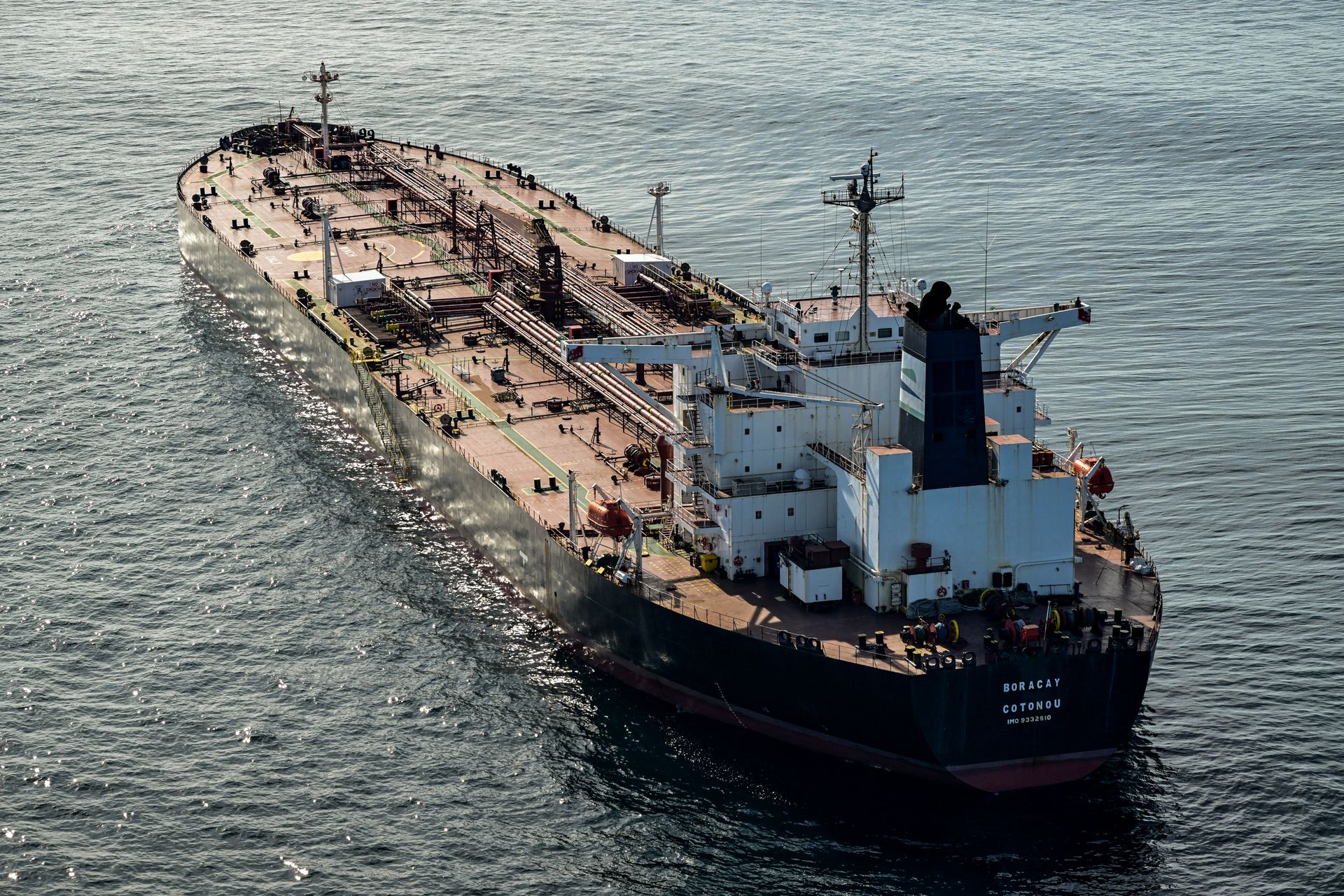
The core of this breaking story revolves around the Kyiv Independent's exclusive investigation, which meticulously documents Russia's exploitation of Starlink terminals on its shadow fleet. Confirmed through on-the-ground reporting, satellite imagery, and intercepted signals, the probe reveals that over 50 vessels—many flagged in obscure jurisdictions like Gabon or Panama—rely on Starlink for real-time GPS tracking, crew coordination, and even drone reconnaissance to dodge Ukrainian naval drones and Western sanctions enforcement. Ukraine has urgently called on SpaceX to disable these connections, but Elon Musk's firm has so far demurred, citing contractual ambiguities and fears of broader geopolitical fallout.
This isn't isolated; it's part of a broader pattern of emerging technologies blurring traditional warfare lines in conflict zones. In the Black Sea, where Russian oil tankers have shipped billions in sanctioned crude since 2022, Starlink provides unjammable high-bandwidth connectivity that traditional Russian systems can't match. The shadow fleet, estimated at 600-1,000 vessels by Western intelligence, has transported over 70% of Russia's seaborne oil exports in recent months, generating revenue that funds its war machine despite G7 price caps.
Europe's response highlights an adaptive yet reactive posture. Italy, a key Mediterranean player, just introduced a bill offering €500,000 in incentives for fishermen to deploy specialized anti-drone fishing nets along Ukraine aid routes. Confirmed details from the Cyprus Mail report show these nets, woven with radar-absorbent materials, aim to shield humanitarian shipments from Iranian-supplied Shahed drones operated by Russia. Rome frames this as "low-tech innovation against high-tech terror," but it underscores Europe's scramble: incentives total €10 million initially, targeting Sicily and Calabria ports, with rollout by summer 2026.
These tech-driven threats amplify existing rifts without overt transatlantic finger-pointing. Polish presidential adviser Marcin Mastalerek slammed U.S. unilateralism in the Iran strike for lacking consultation, echoing broader Eastern European frustrations. Lithuanian PM Ingrida Šimonytė reaffirmed NATO unity post-Trump threats, while Estonian FM Margus Tsahkna deemed exit suggestions "harmful." Meanwhile, U.S. military ramps up in Europe—A-10 Warthogs and B-52s deploying to bases in Poland and Romania amid Iran tensions—yet without allied buy-in, per Anadolu Agency.
Unconfirmed reports swirl: Ukrainian officials hint at Starlink black-market proliferation via Turkish intermediaries, potentially arming Russian Wagner remnants in Africa. SpaceX has neither confirmed nor denied the fleet's usage, calling it a "commercial matter." This situation echoes broader cyber frontlines in Middle East geopolitics, where dual-use technologies like satellite internet are weaponized in unexpected ways.
Context & Background
This Starlink saga connects directly to Europe's historical passivity evolving into proactive defense postures, mirroring the intense 2026 timeline. On March 25, 2026, Spanish PM Pedro Sánchez warned of Iran war ripple effects on European energy, predicting 20-30% oil spikes crippling economies—a fear echoed today by Estonian FM Tsahkna amid Hormuz threats. The next day, March 26, saw a G7 virtual meeting on Middle East tensions, where leaders urged Europe to "end its passive stance," per contemporaneous reports. That same date marked a NATO defense spending surge: allies pledged an uptick to 2.5% of GDP on average, with Poland hitting 4.7% and the Baltics surging, directly responding to U.S. unpredictability under Trump.
Fast-forward to recent events: On March 31, 2026, Trump lashed out at European allies over the "unpopular Mideast war," per AP News, widening transatlantic rifts as Europe resisted U.S. Iran demands and braced for energy disruptions. April 1 brought Finland's Alexander Stubb describing a "constructive" Trump call amid NATO alarms, Lithuanian reaffirmations of unity, and UK warnings on Iranian threats. This echoes the 2026 NATO spending boom, born from similar U.S. threats and Iran escalations.
Historically, Europe's reliance on U.S. tech dates to Cold War SIGINT sharing, but post-2022 Ukraine invasion, Starlink's role flipped: Initially a lifeline for Kyiv (30,000+ terminals activated), it's now a vector for adversary ops. Parallels abound with 2014 Crimea, where Russian EW jammed Ukrainian comms—today, Starlink circumvents that. The Italian nets initiative recalls WWII barrage balloons: low-cost counters to asymmetric tech threats. Broader picture: As U.S. B-52s bolster European bases amid Iran war, per Anadolu, it highlights dependency—America provides the muscle and tech, but Europe foots uneven bills, fueling autonomy drives like Starmer's calls for closer EU-UK ties. Check our Global Risk Index for real-time assessments of these escalating transatlantic and energy security risks.
Recent timeline intensifies: March 31's "Europe Energy Crisis Warning" and "EU Prepares for Iran War Disruptions" (medium impact) set the stage for today's Starlink revelations, linking oil shadow fleets to energy vulnerabilities.
Why This Matters
Original Analysis: Starlink's exploitation unmasks the double-edged sword of foreign-dominated emerging tech: It democratizes connectivity but invites espionage, asymmetric warfare, and sanction circumvention. For Europe, reliant on U.S. systems for 70% of its satellite broadband needs, this creates strategic vulnerabilities—Russia's shadow fleet not only funds war but probes NATO maritime defenses, potentially exporting tactics to Houthi Red Sea ops or African proxies.
Policy implications ripple across stakeholders. Ukraine loses a tech edge; SpaceX faces ethical binds, risking EU sanctions under dual-use regs (e.g., Wassenaar Arrangement). Europe must pivot to indigenous innovation: France's Iris² constellation (launch 2027) and ESA's Secure Connectivity program could counter this, but delays expose gaps. Amid transatlantic tensions—Trump's NATO exit threats, Polish/U.S. Iran strike spats—this accelerates "strategic autonomy," straining alliances if U.S. policies under a potential second Trump term prioritize "America First."
Geopolitically, it reshapes fault lines: Eastern flanks (Poland, Baltics) demand ironclad NATO tech-sharing; Mediterranean states like Italy innovate ad-hoc. Connects to Iran war: Shadow fleet Starlink aids sanction-busting akin to Tehran's oil smuggling, per 2026 G7 warnings. Economically, with EUR/USD flat at parity, oil risks loom—any Black Sea escalation spikes shipping insurance 50%, hitting German autos and Italian exports.
Broader patterns: Mirrors Huawei 5G bans (2019-2020), where security trumped commerce. Europe's reactive approach—fishing nets vs. sovereign sats—signals evolution from 2026 passivity, but risks overreach, like EU-wide Starlink curbs alienating U.S. firms. This development underscores the need for diversified tech ecosystems, as highlighted in our comprehensive Global Risk Index.
What People Are Saying
Social media erupts with alarm. Kyiv Independent's tweet ("Russia's shadow fleet powered by Starlink? Our exclusive: [link]") garnered 15K retweets, with @ZelenskyyUa replying: "Time for SpaceX to act—tech for peace, not profit." Elon Musk posted ambiguously: "Starlink is neutral infrastructure. Geopolitics complicate." (200K likes).
Experts weigh in: EU Observer notes "fear but not panic" post-Trump threats; @EUDefenceAnalyst tweeted: "Starlink in Russian hands? Europe's wake-up to tech sovereignty. #NATO2026." Polish adviser Mastalerek's Anadolu quote—"Lack of consultation kills trust"—viral on X, retweeted by @PISM_GOV_PL: "US acts alone, we adapt alone."
Estonian FM Tsahkna: "NATO exit talk harmful," per ERR News. Lithuanian PM Šimonytė: "No doubts on unity," LRT reports. Starmer pushes Europe ties, per In-Cyprus. On X, @GeopoliticsNow: "Italy's drone nets = genius. But Starlink flop shows EU needs own stars." Finnish Stubb called Trump talk "constructive," Newsmax.
Catalyst AI Market Prediction
Powered by The World Now Catalyst Engine, our AI analyzes causal chains from this Starlink-Russia revelation amid Iran/NATO strains:
- USD: + (medium confidence) — Risk-off from ME escalations drives safe-haven flows; 2019 US-Iran precedent: DXY +1.5% in 48h. Risk: De-escalation.
- SPX: - (high confidence) — Algo de-risking on oil threats; 2019 Soleimani: -2% daily. Risk: Oil < $140.
- GOLD: + (medium confidence) — Safe-haven bid; 2019 Iran: +3% intraday. Risk: USD strength.
- OIL: + (high confidence) — Supply fears via Hormuz; 2019 Saudi attacks: +15%. Risk: US SPR release.
- EUR: - (medium confidence) — USD boost pressures EURUSD; 2019 Iran: -1.5%. Risk: ECB hawkishness. (Current: $1.00, -0.2% 24h, -0.0% 7d)
- BTC: - (medium confidence) — Risk-off liquidation; 2022 Ukraine: -10% 48h. Risk: Miner support.
- JPY: + (medium confidence) — Yen safe-haven; 2019: USDJPY -2%. Risk: BOJ intervention.
- TSM: - (low confidence) — Semis hit by growth fears; 2022 Ukraine: -10% week. Risk: China decoupling.
Predictions powered by The World Now Catalyst Engine. Track real-time AI predictions for 28+ assets.
What to Watch (Looking Ahead)
If Russia's Starlink use persists unchecked, expect EU-wide dual-use tech bans by 2027, fracturing NATO if Trump escalates withdrawals—pushing Europe toward independent pacts like a Baltic-Polish cyber alliance or neutral tech policies (e.g., open-source sats). Monitor SpaceX response (terminal disables?), Italian net deployments (Q3 efficacy?), and G7 follow-up to 2026 meetings. US base expansions could stabilize, but Polish/Estonian rhetoric signals rifts. Predictions: Accelerated Iris² funding (€6B boost); cyber pacts with UK; oil +10% if Black Sea incidents rise. Confirmed unity statements vs. unconfirmed fleet hacks will clarify trajectories. Looking ahead, these developments could significantly impact global risk assessments, particularly in energy security and alliance cohesion.
This is a developing story and will be updated as more information becomes available.