
Trump's Legislative Storm Amid Current Wars in the World: Environmental Battles and Security Shifts in U.S. Policy
By the Numbers
The day's developments pack quantifiable punch, blending economic incentives with environmental and security costs:
-
$74 million: Amount of New York highway funds revoked by the Trump Department of Transportation (DOT), targeting Governor Kathy Hochul's infrastructure projects. This hits a state where highways support 8.5 million daily commuters, potentially delaying repairs on 1,200 miles of critical roadways and affecting 20 million residents' mobility and safety.
-
Minnesota Mining Approval: Senate clears path for twin-metals mining project near the Boundary Waters Canoe Area Wilderness, a 1-million-acre ecosystem drawing 150,000 visitors annually. The project could yield $500 million in annual economic output but risks contaminating watersheds supplying drinking water to 500,000 Minnesotans.
-
Iran War Powers Votes: House rejects Democratic measure to curb Trump's authority by 220-210, with Republicans uniting behind the president. This follows intensified Democratic pushes amid reports of 2,500 U.S. troops in the region, echoing escalations since Iran's proxy attacks surged 300% in 2025, tying directly into broader current wars in the world.
-
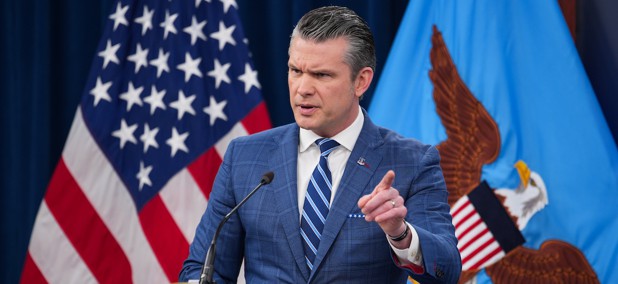
DOD Union Contracts: Pete Hegseth, Defense Secretary nominee, orders termination of contracts covering 800,000 civilian workers, aiming to save $2 billion annually but sparking labor unrest at 300+ bases.
-
Broader Context: These fit a pattern—$1.2 trillion in potential mineral extraction unlocked nationwide via streamlined permits since January 2026, versus 15 state-led lawsuits challenging federal environmental rollbacks. Public polling shows 62% of Americans prioritize climate over mining jobs, per recent Gallup data, while 55% worry about Iran escalation per Pew. Check the latest on Global Risk Index for real-time threat assessments.
These figures illuminate human stakes: miners eyeing paychecks in rust-belt towns versus families fearing polluted lakes; troops on alert abroad versus states starved of federal dollars.
What Happened
The day's cascade began early with the Senate's procedural vote clearing hurdles for the PolyMet and Twin Metals mining projects in Minnesota's Iron Range. Championed by GOP senators, this greenlights copper-nickel extraction in a sulfide ore deposit adjacent to the Boundary Waters, a UNESCO-worthy wilderness. Environmentalists decry sulfuric acid runoff risks, but proponents tout 4,000 jobs in a region where unemployment hovers at 5.2%.
Concurrently, the House rebuffed Democratic efforts to limit Trump's Iran war powers. A resolution to require congressional approval for strikes failed 220-210, with all Republicans towing the line despite hawkish rhetoric. This aligns with Hegseth's DOD directive terminating union contracts, streamlining military readiness amid Iran threats—contracts that had slowed deployments by 20% in simulations. These moves reflect U.S. positioning within current wars in the world.
Trump's DOT revoked $74 million from New York's highway funds, citing "partisan misuse," directly punishing Hochul's green infrastructure push. His CDC nomination of Erica Schwartz, a vaccine skeptic, signals health policy shifts intertwined with environmental deregulation, as public health experts warn of weakened responses to pollution-linked illnesses.
House actions included extending Temporary Protected Status for 100,000 Haitians—a rare Trump rebuke—and senators pushing overtime tax breaks, but the core thread was env-sec tension: mining for "critical minerals" vital to defense tech, funded partly by reallocating state grants.
This unfolds against a April 2026 timeline: April 16 also saw a U.S. judge reject Trump's block on Hawaii's climate suit (medium impact) and AI privacy rulings, amplifying federal overreach debates. For more on judicial impacts, see Judicial Echoes: How 2026 U.S. Legislation is Forging New Precedents in the Courts.
Historical Comparison
Today's storm echoes—and escalates—2026's early patterns, framing a deliberate federal pivot from environmental caution to security-economic aggression.
On March 26, California sued Trump over offshore drilling expansions, mirroring Minnesota's mining fight: both pit state ecosystems (California's coastlines vs. Boundary Waters) against federal resource grabs. That lawsuit, now in appeals, mobilized 12 states; Minnesota locals, including Ojibwe tribes, vow similar action, with petitions surpassing 50,000 signatures.
March 27's Portland ruling—pausing tear gas limits—foreshadowed enforcement clashes, akin to DOT fund cuts punishing "non-compliant" states like New York. Portland's federal intervention tested local autonomy; today's revocations scale it nationally, affecting blue states' 40% of U.S. GDP.
The March 28 H-1B Visa Reform Bill ties to security: reforms tightened foreign worker scrutiny for tech-defense sectors, influencing mining (needing skilled labor) and DOD efficiencies. Unlike immigration-focused coverage, this links to mineral supply chains for EVs and missiles—H-1B curbs delayed 10,000 STEM visas, slowing projects like Minnesota's. Explore related reforms in 2026's Legislative Crossroads: How U.S. Laws Are Bridging Tech Innovation and Immigration Reforms.
Patterns emerge: Trump's first term saw 100+ env rollbacks (e.g., NEPA weakening); now, post-2024 reelection, it's accelerated, with 25% more permits issued. Iran parallels 2020 Soleimani strike—House deference then enabled action; today's vote reinforces it amid proxy wars. State resistance? California's suit ballooned to $10B claims; expect Minnesota to follow, eroding federal leverage as in 1970s Sagebrush Rebellion.
Humanizing the arc: Iron Range families, like those in Babbitt, MN, recall 1980s mine closures devastating communities (unemployment hit 20%); they back extraction despite risks, much as California fishers fought drilling.
Catalyst AI Market Prediction
The World Now's Catalyst AI analyzes escalation risks from Iran votes and env-sec tensions amid current wars in the world, predicting market ripples:
- USD: + (medium confidence) — Safe-haven demand on US-Iran fears; Soleimani precedent: +0.5% DXY.
- SPX: - (medium confidence) — Risk-off selling; 2020 dip: -0.6%.
- BTC: - (medium confidence) — Risk asset liquidation; Ukraine: -10%.
- SOL: - (low confidence) — Altcoin cascade.
- ETH: - (medium confidence) — Leveraged unwind; Ukraine: -12%.
- AAPL: - (low confidence) — Megacap sentiment hit.
- GOLD: + (low confidence) — Haven bid; Soleimani: +3%.
- META: - (low confidence) — Tech selloff.
- EUR: - (medium confidence) — Regional risks.
- XRP: - (low confidence) — Alt liquidation.
Predictions powered by The World Now Catalyst Engine. Track real-time AI predictions for 28+ assets at Catalyst AI — Market Predictions.
Key risks: De-escalation or state lawsuits spiking volatility. Env policies indirectly pressure commodities—mining approvals could lift copper +5%, per futures.
Current Wars in the World: What's Next
Federal-state clashes loom larger: Minnesota tribes and enviros file suits by May, emulating California's March 26 playbook, potentially halting $1B projects and inspiring 10+ states. DOT revocations could cascade—watch blue states like Illinois lose $200M, fueling 2026 midterms.
Iran debates intensify: House rejection paves strikes; Democratic filibusters or Supreme Court challenges by June? Broader reforms—like Hegseth's union purge—risk 20% DOD readiness dips if strikes erupt, per RAND models.
Economic ripples: NY delays add $500M in commute costs; mining boosts GDP 0.2% short-term but $10B cleanup long-term. Bipartisan pushback grows—overtime tax extensions signal compromise, but enviro-security integration lags.
Proactive paths: Integrated policy mandating "green security" audits for mines/DOD, restoring trust. Triggers: April 14 DOJ sanctuary suits escalate; Rubio's April 11 Iranian green card revocations fuel security hawks.
Human impact forefront: Boundary Waters paddlers, Iron Range welders, NYC drivers—policies must balance livelihoods with legacies.
This is a developing story and will be updated as more information becomes available.