
Judicial Echoes: How 2026 U.S. Legislation is Forging New Precedents in the Courts
Introduction: The Hidden Judicial Battlefield of U.S. Legislation
In the shadow of headline-grabbing policy battles, a quieter but profound shift is reshaping American governance: the courts are increasingly the arena where U.S. legislation lives or dies. Recent high-profile cases, including a federal judge's rejection of the Trump administration's bid to block Hawaii's climate lawsuit on April 15, 2026, a federal judge blocking Indiana's ban on student IDs for voting, Maine's first-ever moratorium on AI data centers passing its legislature amid looming court challenges, a U.S. jury ruling Live Nation an illegal monopoly, and ongoing immigration protections for Haitian immigrants, underscore this critical trend. These disputes reveal a significant pivot from congressional floor debates to judicial benches, where judges are not just interpreting laws but forging new judicial precedents that redefine legislative intent and balance of power across government branches.
This article's unique angle spotlights the under-the-radar influence of 2026 legislation on judicial precedents, illuminating an evolving balance of power between branches that transcends partisan lines. Unlike prior coverage fixated on global backlash, human costs, or tech booms, we examine how court decisions are crafting enduring legal frameworks—think AI privacy rulings warning that personal chats could be courtroom evidence, blocks on state voting restrictions like Indiana's student ID ban, antitrust verdicts against Live Nation, and climate enforcement in Hawaii. This judicial interpretation is driving systemic change, humanizing the stakes for everyday Americans caught in the crossfire of policy experimentation. As legislation accelerates on climate, tech, immigration, antitrust, and foreign policy issues like Taiwan support and Iran war powers, courts are stepping in, creating a precedent pipeline that could standardize—or stifle—future laws for decades. This deep dive into 2026 U.S. court cases and legislation highlights why judicial oversight is more crucial than ever in maintaining democratic checks and balances.
Historical Context: Tracing the Roots of Judicial-Legislative Tensions
The current wave of court interventions didn't emerge in isolation; it's rooted in a compressed timeline of 2026 flashpoints that accelerated judicial scrutiny of legislative overreach. On March 26, 2026, California sued the Trump administration over offshore drilling policies, extending decades-old environmental clashes into fresh judicial territory. This lawsuit echoed historical precedents like the 1970s Clean Air Act challenges, where courts first asserted oversight on executive environmental implementations, but now amplifies state-federal tensions in a post-2024 election landscape, much like interconnected global legislative reforms discussed in The Interconnected Web of Global Legislation: From Local Reforms to Worldwide Alliances in 2026.
The very next day, March 27, a judge blocked an AI ban targeting Anthropic, building directly on tech regulation history. This mirrors pauses like the 2021 court halt on TikTok bans and earlier FCC net neutrality reversals, signaling courts' growing role as tech policy referees, akin to emerging trends in Techno-Diplomacy in 2026: How AI, Emerging Tech, and Oil Price Forecast Are Redefining US Geopolitical Maneuvers. Simultaneously, a Portland court paused tear gas limits, highlighting judicial reluctance to micromanage local law enforcement amid national protests—a nod to 2020's federal interventions.
By March 28, New York's court overturned an Argentina-related ruling, while the U.S. H-1B Visa Reform Bill sparked immediate legal murmurs, paralleling historical immigration battles like the 2018 travel ban litigation and current U.S. immigration policy struggles outlined in Border Frontlines: US Immigration Policies and Oil Price Forecast in Global Geopolitical Struggles. These events form a pattern: rapid legislative pushes—often partisan—prompt swift judicial backstops, fostering deeper power shifts. Recent events amplify this: April 5's judge blocking Trump's race data push, April 8's New York child online protection advance, and April 11's Rubio Iranian green card revocations all underscore how 2026's timeline has normalized courts as the ultimate legislative filter, humanizing abstract policies through real-world enforcement tests.
This chronology isn't mere coincidence; it's a structural response to polarized legislating, where bills pass narrowly, inviting constitutional challenges. By mid-April 2026, events like the DOJ's April 14 suit against Connecticut's sanctuary policies and Congress expulsion votes on April 13 had courts entangled in everything from immigration to impeachment probes, setting the stage for precedent-setting rulings that continue to evolve the interplay between legislation and judiciary.
Current Legislative Fronts and Court Challenges
Today's battles span voting rights, tech innovation, immigration, antitrust, and foreign policy, with courts delivering unpredictable verdicts that defy party scripts. A federal judge blocked Indiana's ban on student IDs for voting, arguing it violated the National Voter Registration Act—a bipartisan win for access, as even conservative legal scholars noted its overreach. Similarly, a U.S. jury ruled Live Nation an illegal monopoly on April 16, 2026, invoking Sherman Act precedents to curb ticketing dominance, impacting fans and artists alike and setting new antitrust benchmarks.
Maine's AI data center moratorium, the nation's first, passed its legislature but faces inevitable suits from tech giants, raising First Amendment and commerce clause questions. This ties to a broader AI scrutiny: a recent ruling warns U.S. lawyers that AI chats could be evidentiary, per Japan Times reporting, adapting privacy laws to generative tools and influencing global tech diplomacy.
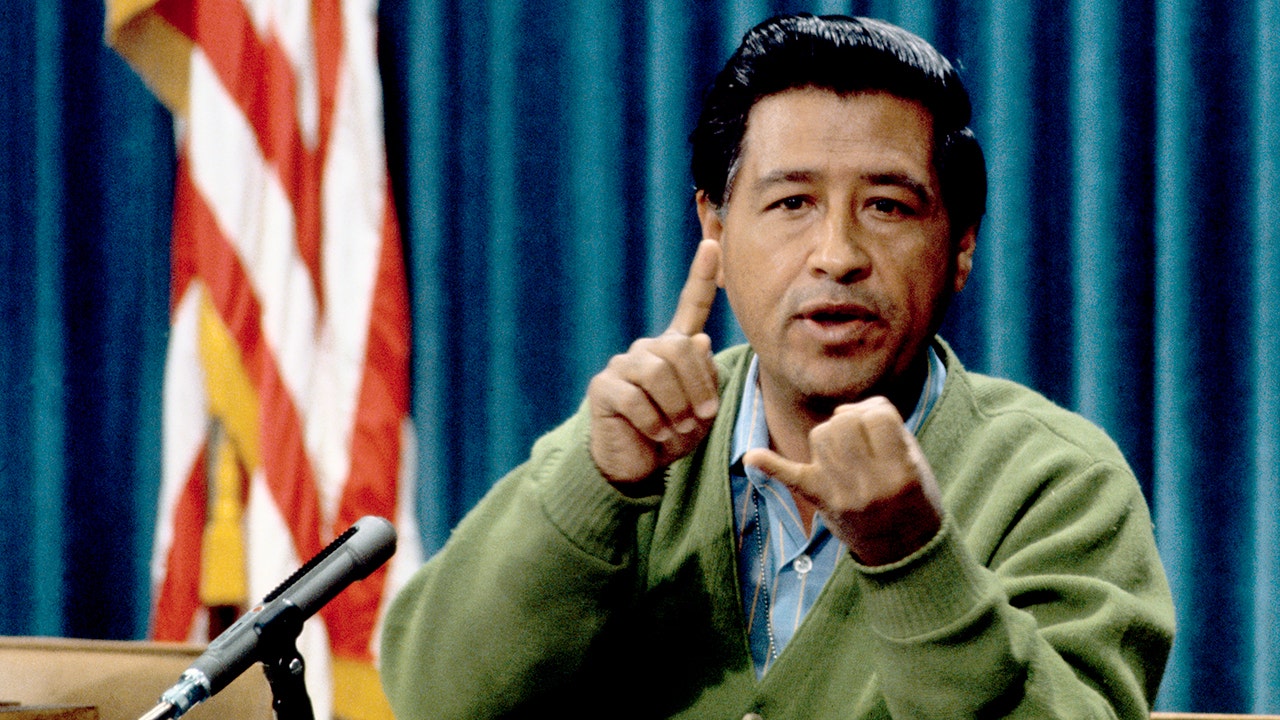
Bipartisan threads persist. Senators reintroduced a Taiwan support bill amid judicial-passive foreign policy, while the House advanced Haitian immigrant protections against Trump policies—defying expectations in a divided Congress, as detailed in related immigration analyses. The Cesar Chavez monument funding survived defunding bids despite abuse allegations, blending cultural heritage with fiscal accountability. Even a failed House proposal to limit Trump's Iran war powers (Ratopati), which could impact Oil Price Forecast Amid US Geopolitics in Turmoil: How Military Escalations Are Fueling Domestic Political Fractures, hints at future court tests if executive actions escalate.
These cases reveal judicial unpredictability: Indiana's block transcended red-state defenses, Live Nation's verdict hit corporate power universally, and AI moratoriums force tech policy evolution. Social media buzz, like X posts from legal analysts (@SCOTUSblog: "2026's docket is legislative veto central"), underscores public fascination with this branch ballet, amplifying the role of courts in everyday policy impacts.
Catalyst AI Market Prediction
Geopolitical undercurrents, including failed Iran war limits and Taiwan tensions intertwined with judicial rulings, ripple into markets. Track broader risks via the Global Risk Index. The World Now Catalyst AI forecasts:
- USD: Predicted + (medium confidence) — Safe-haven demand surges on US-Iran escalation as investors flee risk assets into USD amid diplomatic failure. Historical precedent: January 2020 Soleimani strike strengthened DXY by 0.5% intraday. Key risk: sudden de-escalation via backchannel talks weakening haven flows.
- SPX: Predicted - (medium confidence) — US-Iran escalation triggers broad risk-off sentiment, prompting algorithmic selling in equities despite South Korean chip rally signals. Historical precedent: January 2020 Soleimani strike saw S&P 500 fall 0.6% initially before recovery. Key risk: stronger-than-expected US-Iran ceasefire signals accelerating risk-on rotation.
- BTC: Predicted - (medium confidence) — Risk-off selling dominates as BTC behaves as risk asset on geo headlines. Historical precedent: February 2022 Ukraine invasion dropped BTC 10% in 48h. Key risk: institutional dip-buying via ETFs.
- SOL: Predicted - (low confidence) — Risk-off from US-Iran headlines cascades into high-beta crypto liquidations. Historical precedent: January 2020 Soleimani drop amplified SOL-like alts 5-10% in 24h. Key risk: dip-buying from ETF flows halting cascade.
- ETH: Predicted - (medium confidence) — Leveraged positions liquidate on risk-off from multiple geo flashpoints. Historical precedent: February 2022 Ukraine dropped ETH 12% in 48h. Key risk: rapid de-escalation news flow reversal.
- AAPL: Predicted - (low confidence) — Risk-off hits megacaps via sentiment, indirect supply chain worries from Asia tensions. Historical precedent: January 2020 Soleimani dipped AAPL 1.5% in 24h. Key risk: China demand resilience overriding.
- GOLD: Predicted + (low confidence) — Safe-haven bid strengthens on US-Iran supply fears despite initial USD competition. Historical precedent: January 2020 Soleimani spiked gold +3% intraday. Key risk: sharp USD rally crowding out gold.
- META: Predicted - (low confidence) — High-beta tech sells off on risk-off flows from escalations. Historical precedent: February 2022 Ukraine fell META 5% initially. Key risk: ad revenue beats cushioning.
- EUR: Predicted - (medium confidence) — Estonia-Russia threats and Ukraine tensions pressure EUR via regional risk-off. Historical precedent: February 2014 Crimea annexation weakened EUR 1% in 48h. Key risk: Germany-Ukraine partnership boosting EU sentiment.
- XRP: Predicted - (low confidence) — Altcoin liquidation cascade on geo risk-off. Historical precedent: January 2020 drop hit XRP 8% in 48h. Key risk: regulatory clarity rumors sparking bid.
Predictions powered by The World Now Catalyst Engine. Track real-time AI predictions for 28+ assets. These forecasts integrate judicial and geopolitical developments for comprehensive market insights.
Original Analysis: The Long-Term Implications of Judicial Precedents
These rulings aren't footnotes; they're blueprints. Hawaii's climate suit survival sets precedents for state-led environmental enforcement, potentially empowering blue states against federal rollbacks—extending beyond climate to energy policy and broader environmental litigation trends. AI blocks, like Anthropic's and Maine's moratorium challenges, herald a "veto culture": courts pausing tech regs to protect innovation, slowing legislative agility. This critiques democracy's pace—innovation-starved policies risk U.S. lag versus China's AI sprint—but fosters deliberate standards, as seen in chat-evidence warnings redefining Fourth Amendment digital frontiers and shaping future AI governance worldwide.
Balance-of-power tilts: Judges, unelected, wield de facto vetoes, echoing Marbury v. Madison but amplified by 2026's velocity. Live Nation's monopoly tag revives trust-busting, influencing Big Tech suits; Indiana voting blocks standardize access, aiding underrepresented voters and ensuring fair elections.
Humanizing precedents: Cesar Chavez's monument endures, pitting labor icon status against abuse claims—a cultural heritage lens revealing equity gaps. Courts humanize legislation, weighing farmworkers' legacies against victims' justice, without prior cost tallies. For immigrants (Haitians, H-1B), precedents ensure due process, transcending partisanship. Taiwan bills, judicially unblocked, signal stable foreign precedent amid Iran war-power failures.
Synthesis: Underrepresented groups gain from equity-focused interpretations—voting, visas—but risk precedent rigidity stifling reforms. This forges non-partisan frameworks, like AI privacy universally applicable, providing a stable legal foundation for technological and social progress.
What This Means: Key Takeaways for Stakeholders
These judicial developments carry immediate implications for policymakers, businesses, voters, and global partners. For tech firms facing AI moratoriums and data center restrictions, expect heightened compliance costs and innovation delays, prompting strategic shifts toward judicial-friendly lobbying. Environmental advocates benefit from Hawaii-style precedents, enabling state-level climate actions despite federal hurdles. Immigration stakeholders, from Haitian TPS holders to H-1B workers, find reassurance in due process safeguards, reducing deportation uncertainties. Antitrust enforcers gain momentum from Live Nation, eyeing similar actions against digital giants. Overall, this judicial activism demands more precise legislation to minimize court interventions, while empowering citizens through accessible voting and privacy protections. Businesses should monitor the Global Risk Index for how these precedents intersect with geopolitical risks.
Predictive Outlook: Forecasting the Next Wave of Judicial-Legislative Clashes
By 2027, Supreme Court involvement surges: AI data cases (Japan Times) escalate to national debates, testing commerce clause limits. Hawaii climate could reach SCOTUS, fragmenting environmental law and influencing international climate agreements.
Taiwan support bills face judicial tests if executive vetoes trigger suits, straining alliances—Taiwanese diplomats warn of "precedent chills" on X (@TaiwanMOFA: "U.S. courts key to reliability"). State-federal clashes proliferate, per 2026 patterns: Connecticut sanctuary suits inspire 10+ states by 2028, birthing a patchwork legality.
Iran war powers' failure foreshadows executive overreach suits, tying to market risks. Reforms loom: Congress may mandate "judicial impact statements" for bills, harmonizing branches. Original insight: Fragmentation spurs 2028 constitutional amendments clarifying powers, preempting crisis—but only if bipartisan will holds. These forecasts align with ongoing geopolitical analyses, emphasizing the judiciary's role in stabilizing volatile policy landscapes.
Conclusion: Charting a Path Forward
2026's judicial echoes—from AI vetoes to voting safeguards—cement precedents reshaping legislation beyond divides, affirming courts' pivotal role in American democracy. This unique lens reveals a maturing democracy, where interpretation trumps raw power, ensuring laws serve the public interest.
Policymakers must draft tighter bills; publics, via amicus briefs and votes, influence dockets. Monitor SCOTUS shadows and state suits—proactive engagement ensures precedents serve all. Forward-looking, this dynamic promises resilient governance if balanced wisely, with courts continuing to forge precedents that adapt to emerging challenges in technology, environment, immigration, and foreign affairs.