
Trump's "Fortress America" Pivot: Defense Surge, Tariff Delays and Threats, Senate Brakes on Venezuela Escalation
Washington, DC – President Donald Trump has intensified a multifaceted U.S. foreign policy shift in early 2026, blending isolationist retreats from international institutions with aggressive tariff proposals, military threats, and a record defense budget pitch, even as Congress moves to curb his war powers following a controversial raid in Venezuela.
On January 1, Trump announced a one-year delay in implementing increased tariffs on upholstered furniture, kitchen cabinets, and vanities, a high-impact decision aimed at easing domestic industry pressures amid broader trade tensions. This move comes just days before heightened geopolitical posturing, including threats of military intervention in multiple countries after U.S. forces captured Venezuelan President Nicolas Maduro in a recent operation on January 5.
The Senate responded swiftly on January 8, advancing a bipartisan resolution to limit Trump's authority for further military actions against Venezuela. Democrats, joined by five Republicans, voted to proceed with the measure, signaling congressional unease over the administration's expanding ambitions in the Western Hemisphere. "This is a note of disapproval for his expanding ambitions," the resolution's backers emphasized, according to reports from Newsmax and Al Jazeera.
Trump's rhetoric has escalated tensions, with direct threats of military intervention in several nations linked to the Maduro capture. The operation, described as a raid, has drawn sharp domestic backlash, prompting the Senate's war powers curb as a direct counterweight.
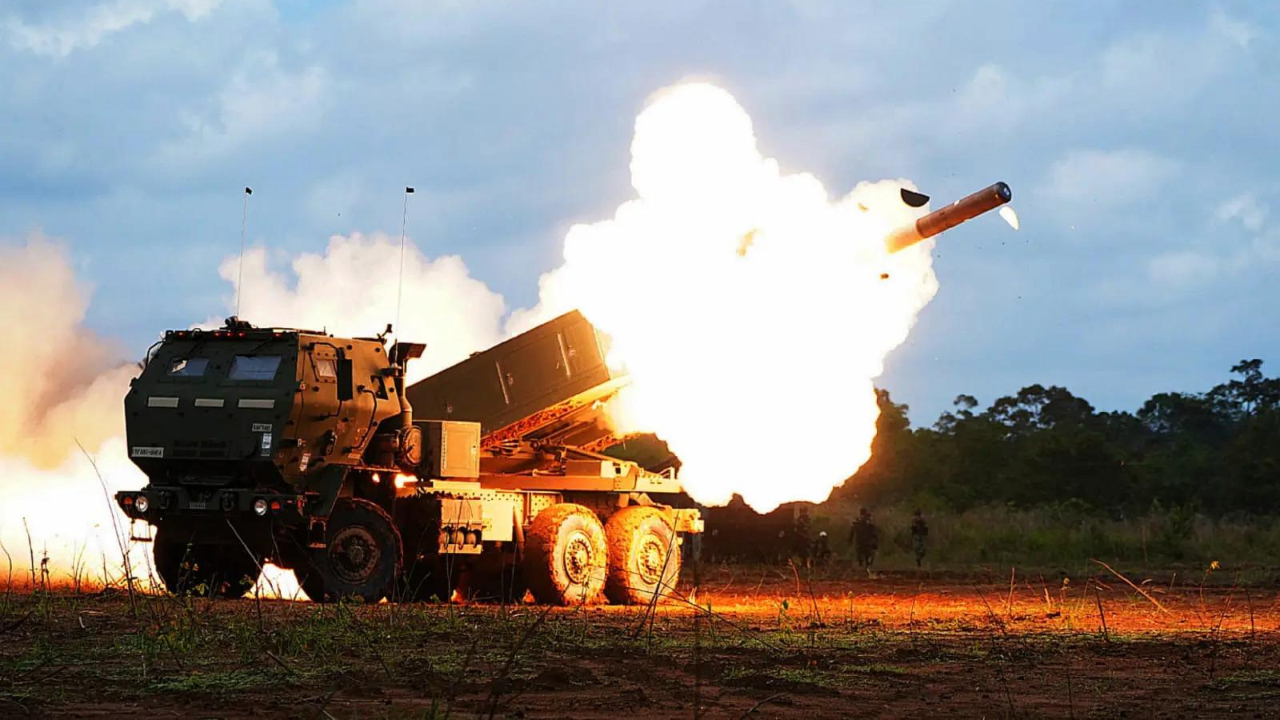
Parallel to these developments, Trump unveiled a proposed $1.5 trillion defense budget, a significant increase that underscores a "Fortress America" doctrine. As reported by the Times of India, the plan involves severing U.S. ties with various world bodies, marking a retreat from multilateralism. Yle News echoed this, noting Trump's push to "significantly inflate" defense spending, framing it as essential for national security in an era of global rivalry.
On the economic front, Trump has backed legislation imposing 500% tariffs on countries purchasing Russian oil, a measure targeting major importers like China and India. The Times of India highlighted how this could disrupt $120 billion in India-U.S. trade, giving Washington leverage to pressure nations into curbing Moscow imports amid ongoing geopolitical strains from Russia's war in Ukraine.
Background on U.S. Foreign Policy Under Trump 2.0
Trump's second term has accelerated a transactional, America-first approach, building on his first administration's trade wars and unilateral actions. The Maduro capture revives memories of U.S. interventions in Latin America, such as the 1989 Panama invasion, but occurs against a backdrop of domestic polarization and global multipolarity.
The defense budget proposal dwarfs previous highs; the FY2025 baseline was around $850 billion, per historical Pentagon figures. Cutting ties to international organizations aligns with Trump's long-stated skepticism of bodies like the UN and WHO, positioning the U.S. as a self-reliant fortress amid rising threats from China, Russia, and Iran.
Tariff strategies remain a hallmark. The furniture delay provides temporary relief to U.S. manufacturers reliant on imports, particularly from China and Vietnam, following Section 301 investigations. Conversely, the Russian oil tariff bill weaponizes trade to enforce energy sanctions, potentially reshaping global markets as India has increased Russian crude purchases to offset higher costs elsewhere.
The Venezuela raid fits a pattern of bold moves, including past threats against Greenland (mentioned in Newsmax coverage). Maduro's capture—details of which remain classified—stems from U.S. accusations of human rights abuses, drug trafficking, and election fraud, exacerbating a humanitarian crisis that has driven millions of Venezuelan migrants to the U.S. border.
Congressional Checks and Global Implications
The Senate's resolution, if passed, would require congressional approval for additional Venezuela strikes, invoking the 1973 War Powers Resolution. This bipartisan effort reflects wariness after Trump's first-term strikes on Syria and Soleimani, amid fears of entanglement in prolonged conflicts.
Internationally, reactions vary. Allies like India face trade squeeze from oil tariffs, while adversaries decry U.S. "imperialism." Russia's state media has condemned the moves, and China's commerce ministry warned of retaliation.
As these policies unfold, markets watch closely: defense stocks rose on budget news, while tariff-sensitive sectors like furniture await clarity. Trump's delay on select tariffs suggests pragmatic flexibility amid inflation concerns.
Looking ahead, the defense budget faces House scrutiny, and Senate war powers votes could test GOP unity. With midterms looming in 2026, these maneuvers signal a high-stakes recalibration of U.S. geopolitics—prioritizing strength at home while selectively projecting power abroad.
(Word count: 682)






