
Trump's FIFA Feint: How Sports Diplomacy Shapes US-Iran Tensions
President Donald Trump has urged Iran to abstain from the 2026 FIFA World Cup, using sports as a tool in escalating US-Iran geopolitical tensions. This move highlights the role of cultural soft power in international relations, shifting focus from military actions to global events like FIFA, amid reports of cyber threats and false flag allegations.
What's Happening
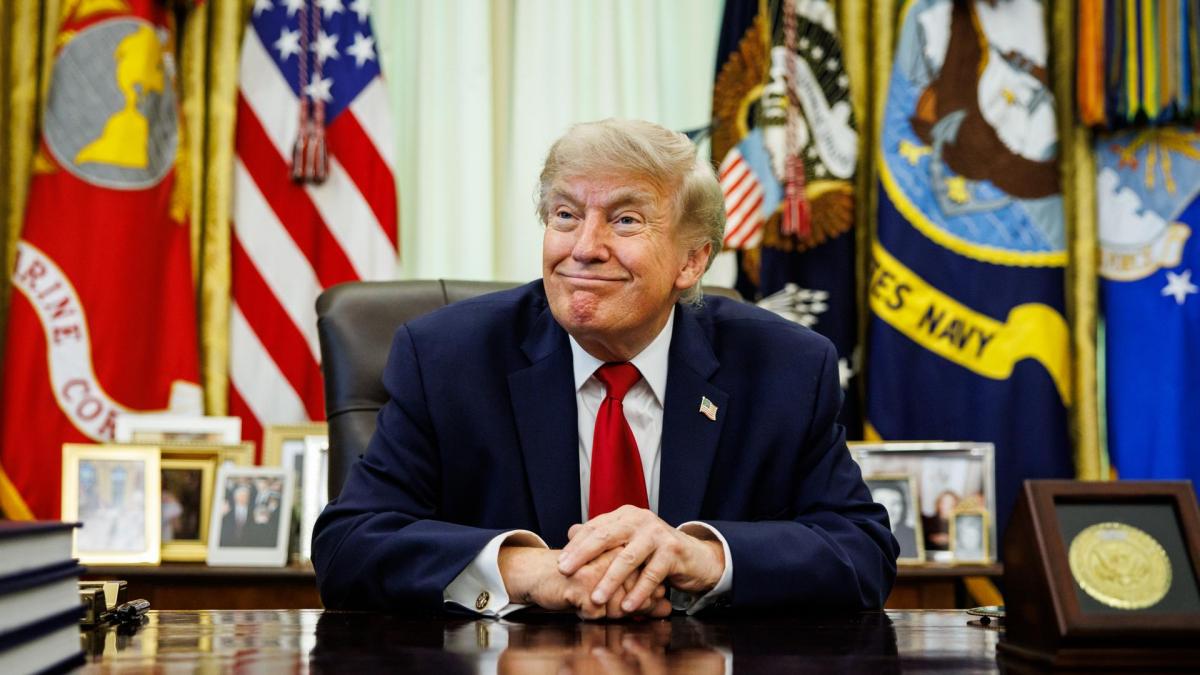
On March 12, 2026, Trump publicly advised Iran to 'stay away' from the FIFA World Cup, hosted in North America, as reported by Iran International. This follows US warnings of potential Iranian retaliation, including FBI alerts on cyberattacks and allegations of a 'false flag' operation in California. Trump's statement comes amid domestic blame over bombing decisions and dismissed Nobel Prize speculation, with no confirmed FIFA response yet.
Context and Background
Escalations began in January 2026, with Trump threatening military action over Iranian protests and US UNSC warnings. By January 18, Pentagon deployments were prepared amid border issues, and January 23 saw NATO security discussions. Now, sports enter as non-kinetic leverage, similar to India's UNSC co-sponsorship against Iran and ongoing cyber threats, emphasizing a blend of hard and soft power strategies.
What This Means
Sports diplomacy like this could isolate Iran by denying its athletes international platforms, potentially fueling domestic unrest and weakening regime legitimacy. However, it risks backlash, including cyber escalations from Iran-linked hackers targeting US infrastructure. This approach may strain US alliances with neutral nations and polarize global opinions, questioning the effectiveness of soft power over traditional diplomacy in resolving conflicts.
(Word count: 612)
This is a developing story and will be updated as more information becomes available.