
Trump's Bold Geopolitical Moves: From Solar Alliance Exit to Venezuela Threats and Arctic Ambitions
Washington, DC – In a series of assertive foreign policy actions this week, President Donald Trump has withdrawn the United States from the India-led International Solar Alliance, threatened military intervention abroad following the capture of Venezuelan President Nicolas Maduro, and reiterated ambitions over Greenland, signaling a muscular shift in U.S. global engagement.
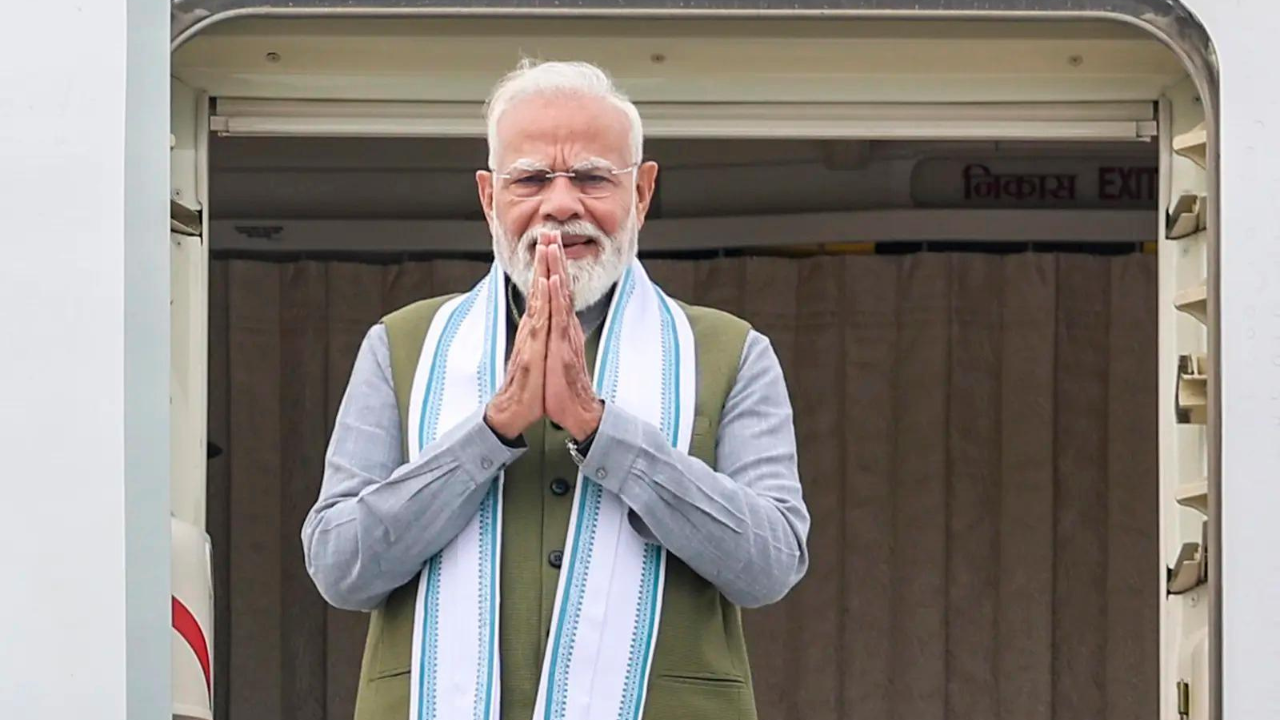
The U.S. exit from the solar alliance, announced on January 8, 2026, marks a notable retreat from multilateral climate initiatives. The alliance, launched in 2015 by India and France, aims to promote solar energy adoption among 121 signatory countries, particularly in the developing world. Trump's decision underscores a broader skepticism toward international climate pacts, echoing his previous withdrawal from the Paris Agreement during his first term. This move comes amid escalating tensions elsewhere, highlighting a prioritization of national interests over collaborative frameworks.
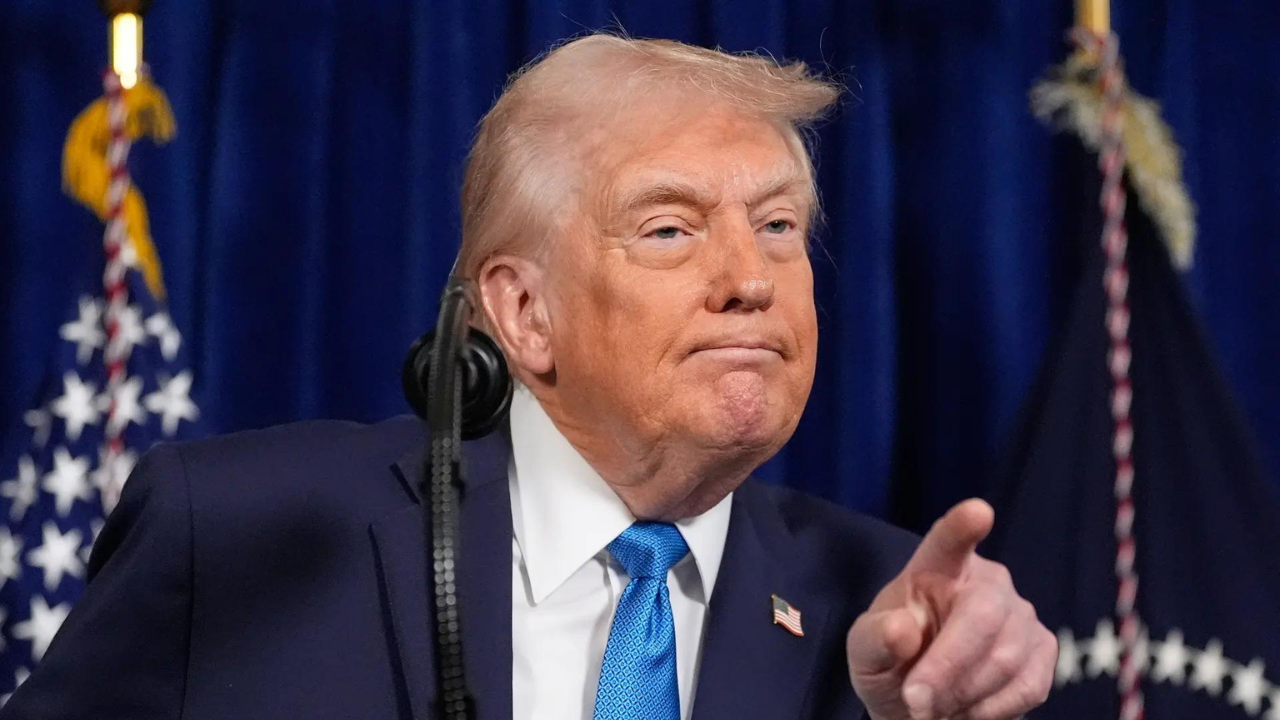
Concurrently, Trump's rhetoric on military power has intensified. Speaking on January 9, the president declared that his "own morality" serves as the only restraint on U.S. global military actions, dismissing the need for international law. "Don't need international law," Trump stated, according to reports from the Times of India. This comes days after U.S. operations in Venezuela resulted in Maduro's capture on January 5, prompting threats of further intervention in multiple countries. The administration's aggressive posture has included launching operations in Venezuela, with Trump warning of potential strikes against nations perceived as adversaries.
Domestic pushback emerged swiftly in Congress. On January 9, the Senate moved to counter Trump's Venezuela threats by advancing a war powers resolution, aiming to reassert legislative oversight on military engagements. This vote reflects ongoing tensions between the executive branch and lawmakers, reminiscent of debates during Trump's first term over actions in Iran and Syria. "The Senate is taking action to counter President Trump's military threats against Venezuela," the Times of India reported, underscoring bipartisan concerns over unchecked executive authority.
Trump's foreign policy maneuvers extend beyond Latin America. He has renewed calls for U.S. "ownership" of Greenland, the strategically vital Arctic island under Danish sovereignty. Envoys from Denmark and Greenland met White House officials on January 8 following Trump's remarks advocating a U.S. "takeover," Channel News Asia reported. These discussions highlight growing U.S. interest in Arctic resources and military positioning amid competition with Russia and China. During his first presidency, Trump similarly floated purchasing Greenland, drawing international rebuke.
Tensions with major powers are also evident. A Chinese national faces federal charges in Missouri for allegedly photographing a U.S. Air Force stealth bomber base at Whiteman Air Force Base after illegally entering the country in 2023, Fox News reported on January 9. The incident, now prosecuted, fuels espionage concerns amid U.S.-China rivalry over advanced military technology.
On Russia, Trump endorsed a long-stalled bipartisan sanctions bill on January 8, targeting Moscow and countries purchasing its discounted energy exports, per Newsmax citing the New York Post. Though the bill's congressional path remains uncertain, Trump's support signals a tough stance on Russian influence, contrasting with his past overtures toward President Vladimir Putin.
Background and Context
These developments occur against the backdrop of Trump's return to the White House in January 2025, following his 2024 election victory. His administration has pursued an "America First" doctrine, emphasizing unilateral actions, energy independence, and deterrence against perceived threats from China, Russia, Iran, and leftist regimes in Latin America. The Maduro capture, part of U.S.-backed efforts to dismantle Venezuela's socialist government amid its economic collapse and migration crisis, has destabilized the region. Maduro's regime faced U.S. sanctions since 2017, with over 7 million Venezuelans fleeing since 2015.
The solar alliance withdrawal aligns with Trump's promotion of U.S. fossil fuels and criticism of green energy mandates. Greenland's strategic value has surged with melting Arctic ice opening new shipping routes and resources, drawing interest from NATO allies.
Outlook
As these events unfold, U.S. allies and adversaries watch closely. Congressional checks on military adventures could temper Trump's impulses, while sanctions on Russia may unify Capitol Hill. Diplomatic talks with Denmark suggest Greenland ambitions face hurdles, but Arctic competition intensifies. The Chinese espionage case exemplifies broader national security anxieties. Trump's "personal morality" framework raises questions about U.S. adherence to global norms, potentially reshaping alliances in a multipolar world.
(Word count: 612)