Trump Signals Potential F-35 Deal with Turkey Amid Israeli Security Concerns

Latest from X
Trump Signals Potential F-35 Deal with Turkey Amid Israeli Security Concerns
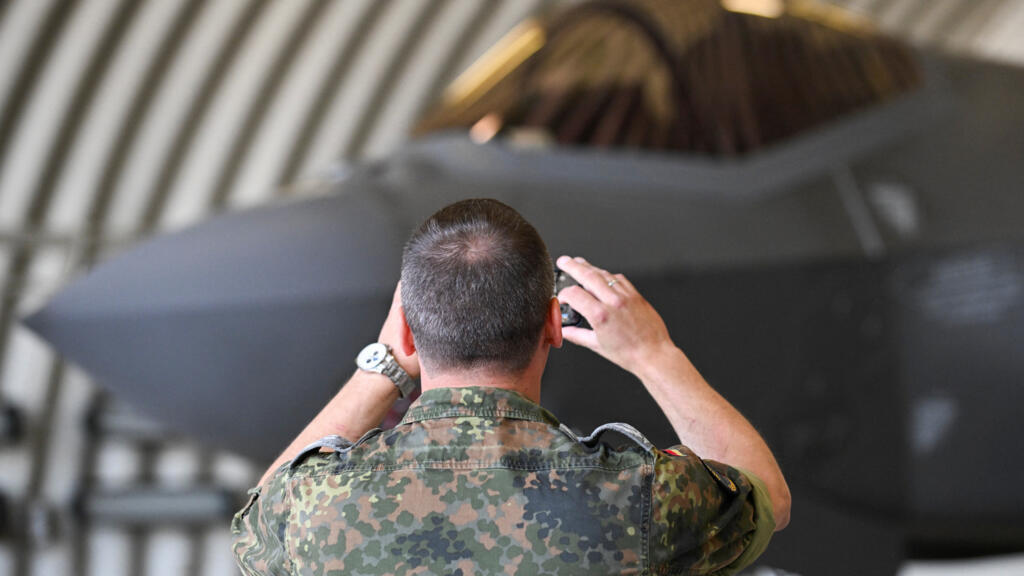
Washington, D.C. - In a significant development in transatlantic defense relations, U.S. President Donald Trump has expressed openness to a potential deal that would see Turkey acquire advanced F-35 fighter jets, reigniting a long-standing geopolitical debate. This announcement, made on January 4, 2026, comes despite vocal opposition from Israel, which has raised serious concerns about the security implications of such a sale given the strained relations between Ankara and Jerusalem.
During a recent meeting with Israeli Prime Minister Benjamin Netanyahu at his Florida club, Trump stated, “We’re thinking about it very seriously,” when asked about the possibility of selling F-35 stealth fighters to Turkey. He further sought to assuage Israeli concerns by asserting that Turkey would “never use them against Israel,” according to reports from The Times of Israel. This marks a notable shift in U.S. policy, as Turkey was previously excluded from the F-35 program in 2019 after purchasing the Russian-made S-400 air defense system, a move that raised alarms about potential security risks to NATO technology.
The proposed deal represents a potential thaw in U.S.-Turkey relations, which have been strained over issues ranging from Turkey’s acquisition of Russian military hardware to its foreign policy stances in the Middle East. Turkey, a key NATO ally, has long sought to modernize its air force with the state-of-the-art F-35 jets, for which it had already paid as part of the initial program partnership. According to RFI, the Turkish military may now be closer than ever to realizing this ambition under Trump’s renewed consideration.
However, the prospect of this deal has not been without controversy. Israel has repeatedly expressed apprehension that providing Turkey with F-35s could undermine its own security, particularly given Turkish President Recep Tayyip Erdoğan’s past rhetoric and policies perceived as hostile. Israeli officials fear that the stealth technology of the jets could compromise their early-warning defenses in a region already fraught with tension. These concerns have been echoed in discussions on social media platforms like X, where posts from verified accounts highlight ongoing lobbying efforts by Israel to block the sale.
Background on Turkey’s F-35 Saga
Turkey’s exclusion from the F-35 program in 2019 was a significant blow to its defense ambitions. The U.S. decision followed Ankara’s purchase of the S-400 system, which Washington argued could be used to gather sensitive data on the F-35’s stealth capabilities, posing a risk to NATO allies. Turkey, in turn, maintained that the S-400 was necessary to address immediate security threats and criticized the U.S. for not offering a viable alternative. Since then, Turkey has pursued alternative options, including the development of its own KAAN fighter jet and exploring deals with other countries, as reported by Newsweek in late 2025.
The potential re-entry of Turkey into the F-35 program has been a topic of intermittent discussion, with Trump previously signaling openness to lifting the ban as early as September 2025, according to Euronews. His latest comments suggest a more concrete intent, though the deal would still require approval from the U.S. Congress, where opposition—particularly from lawmakers concerned about Turkey’s alignment with Russia—could pose a significant hurdle.
Regional and Global Implications
The potential sale of F-35s to Turkey carries broader implications for NATO cohesion and Middle Eastern geopolitics. For the U.S., reintegrating Turkey into the program could strengthen ties with a critical ally at a time when Ankara’s strategic position—bridging Europe and Asia—remains vital. However, it risks further straining relations with Israel, a key partner in the region, and could complicate already tense dynamics between Turkey and Greece, another NATO member with ongoing disputes over territorial and maritime issues.
Posts on X from verified news outlets like WION reflect the ongoing debate, noting Trump’s public acknowledgment of the deal during a joint media appearance with Netanyahu. Meanwhile, other posts from defense-focused accounts highlight the behind-the-scenes efforts by Israel to prevent the sale, underscoring the deep divisions this issue continues to provoke.
Outlook
As discussions progress, the coming months will be critical in determining whether this deal materializes. Analysts suggest that any agreement would likely come with stringent conditions, such as assurances regarding the non-use of Russian systems alongside F-35s. The U.S. ambassador to Turkey, speaking in December 2025 as reported by Reuters, expressed hope for a breakthrough soon, indicating active diplomatic engagement on the issue.
For now, the world watches as the U.S. navigates this delicate balance between supporting a NATO ally and addressing the security concerns of a key regional partner. Whether Trump’s overture will translate into a finalized deal remains uncertain, but it undeniably marks a pivotal moment in Turkey’s quest for military modernization and the broader geopolitical landscape.
Track this story live
Live World Map
Monitor global events in real time with a live activity map and hotspot summaries.
Markets
Connect live events to Catalyst market signals across crypto, commodities, indices, and forex.
Geopolitical Risk
Live geopolitical risk index tracking conflict zones, sanctions, and global threat levels.
Original Sources
- •
- •
Editorial process: This article was synthesized from the original sources cited above using The World Now's AI editorial system, with byline accountability from our editorial team. We grade every story for source grounding, factual coherence, and on-topic match before publication. Read more about our editorial standards and contributors. Spot something inaccurate? Let us know.
Last updated: January 17, 2026






