Trump Signals Potential F-35 Deal with Turkey Amid Israeli Security Concerns

Latest from X
Trump Signals Potential F-35 Deal with Turkey Amid Israeli Security Concerns
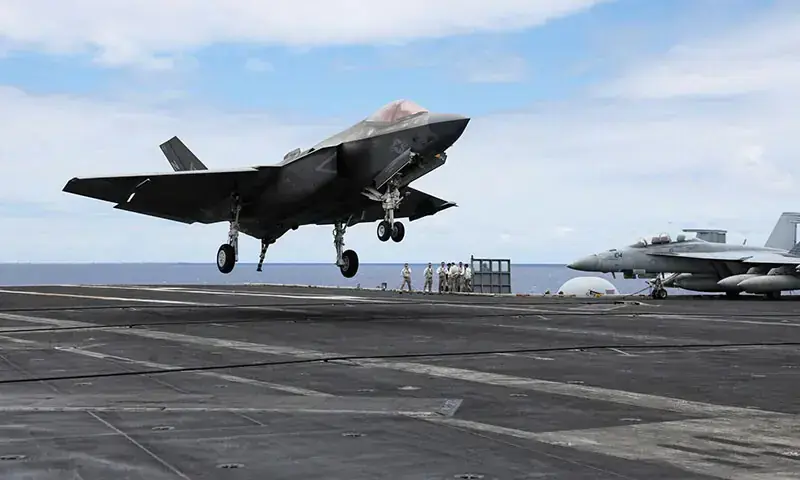
In a significant development in transatlantic geopolitics, US President Donald Trump has indicated that his administration is seriously considering the sale of F-35 stealth fighter jets to Turkey, a move that could reshape defense dynamics within NATO. This announcement, made during a recent meeting with Israeli Prime Minister Benjamin Netanyahu at Trump’s Florida club, comes despite strong objections from Israel over potential security risks and has reignited debates over Turkey’s role in the alliance and its complex relations with both the US and Israel.
According to reports, Trump expressed optimism about the potential deal, stating, “We’re thinking about it very seriously,” when questioned about the F-35 sale to Turkey. He also sought to address Israeli concerns by asserting that Turkey would “never use them against Israel,” though this reassurance has done little to quell apprehensions from Jerusalem. The proposed deal marks a potential reversal of the US decision in 2019 to exclude Turkey from the F-35 program after Ankara purchased the Russian-made S-400 air defense system, a move that raised concerns about the security of sensitive NATO technology.
Turkey, a key NATO ally with the second-largest military in the alliance, has long sought to bolster its air force with advanced fighter jets. The country was initially a partner in the F-35 program, contributing to its development and placing an order for over 100 jets. However, the acquisition of the S-400 system led to its expulsion from the program and the imposition of US sanctions under the Countering America’s Adversaries Through Sanctions Act (CAATSA). Trump’s recent comments suggest a willingness to revisit this exclusion, potentially as part of broader diplomatic efforts to strengthen ties with Turkey amid regional tensions.
Israel’s opposition to the deal centers on fears that the advanced stealth capabilities of the F-35 could undermine its early-warning defenses, particularly given past tensions with Turkey under President Recep Tayyip Erdoğan. Israeli officials have reportedly been lobbying behind the scenes to block the sale, avoiding public confrontation but emphasizing the strategic risks. Posts on social media platforms like X reflect this concern, with some verified accounts noting Israel’s quiet efforts to prevent the deal and others questioning Turkey’s reliability as a NATO partner in possession of such technology.
Background on Turkey-US Defense Relations
The F-35 saga is emblematic of the broader challenges in Turkey-US relations over the past decade. Turkey’s purchase of the S-400 system was seen as a direct challenge to NATO’s interoperability and security protocols, prompting the US to halt F-35 deliveries and remove Turkey from the program. In response, Turkey has pursued alternative defense strategies, including the development of its own fifth-generation fighter jet, the KAAN, and exploring other international partnerships. However, the F-35 remains a coveted asset for its unmatched stealth and combat capabilities, making Trump’s overture a significant opportunity for Ankara.
Beyond the F-35 issue, Turkey’s geopolitical positioning has often placed it at odds with both the US and Israel. Its support for certain factions in regional conflicts, combined with Erdoğan’s critical stance on Israeli policies, has strained relations with Jerusalem. Meanwhile, Turkey’s balancing act between NATO commitments and closer ties with Russia continues to complicate its standing in the alliance. The potential F-35 deal could serve as a litmus test for whether the US is willing to prioritize strategic reconciliation with Turkey over the concerns of other allies.
Outlook and Regional Implications
The prospect of Turkey acquiring F-35 jets carries far-reaching implications for NATO cohesion and Middle Eastern security dynamics. If finalized, the deal could signal a thaw in US-Turkey relations, potentially encouraging Ankara to align more closely with Western defense priorities. However, it risks deepening the rift with Israel at a time when regional stability is already fragile. The US Congress, which has historically been skeptical of arms sales to Turkey, may also pose a hurdle, with some lawmakers likely to echo Israel’s security concerns.
As discussions progress, the international community will be watching closely to see how Trump navigates these competing interests. Posts on X from verified news outlets and defense analysts highlight the polarized views on the issue, with some praising the potential for stronger NATO ties and others warning of the strategic risks. For now, the F-35 deal remains a proposal rather than a done deal, but its outcome could redefine alliances and power balances in a volatile region.
Track this story live
Live World Map
Monitor global events in real time with a live activity map and hotspot summaries.
Markets
Connect live events to Catalyst market signals across crypto, commodities, indices, and forex.
Geopolitical Risk
Live geopolitical risk index tracking conflict zones, sanctions, and global threat levels.
Original Sources
- •
- •
Editorial process: This article was synthesized from the original sources cited above using The World Now's AI editorial system, with byline accountability from our editorial team. We grade every story for source grounding, factual coherence, and on-topic match before publication. Read more about our editorial standards and contributors. Spot something inaccurate? Let us know.
Last updated: February 12, 2026