
Trump Delays Key Tariffs as US Ramps Up Domestic Enforcement and Faces International Criticism
Washington, D.C. – In a series of early 2026 developments highlighting the Trump administration's geopolitical maneuvering, President Donald Trump announced a one-year delay on increased tariffs targeting upholstered furniture, kitchen cabinets, and vanities, while federal agents launched a major immigration operation in Minneapolis. Separately, Israel voiced sharp criticism of New York City Mayor Zohran Mamdani's decision to revoke pro-Israel policies, including the IHRA definition of antisemitism, amid concerns over rising antisemitic sentiments.
The tariff delay, revealed on January 1, 2026, provides temporary relief to U.S. importers and manufacturers facing higher duties on these goods, many sourced from China and other international suppliers. This move comes as the administration balances aggressive trade policies—rooted in Trump's long-standing emphasis on protecting American industries—with domestic economic pressures. The decision affects a sector vulnerable to supply chain disruptions, potentially averting short-term price hikes for consumers while signaling flexibility in ongoing U.S.-China trade tensions.
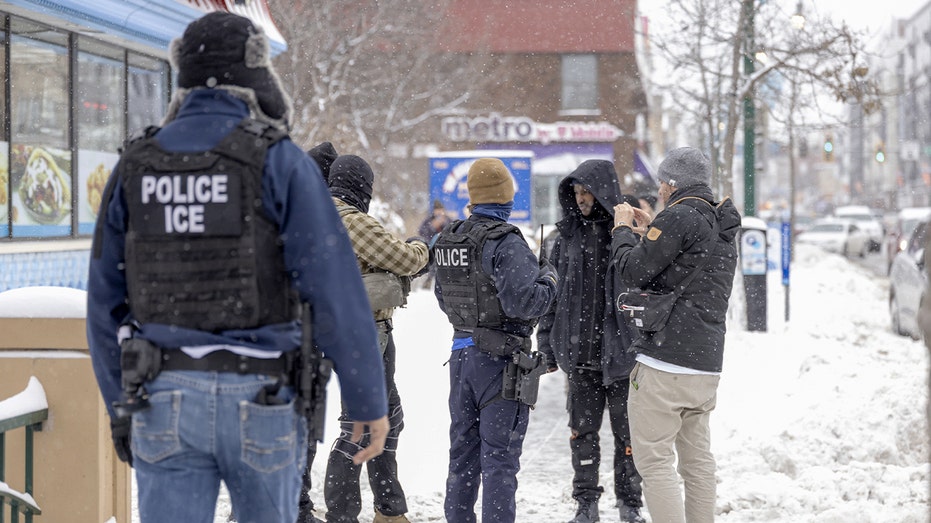
Simultaneously, the Department of Homeland Security under Trump has escalated immigration enforcement with a surge of approximately 2,000 federal agents to Minneapolis, Minnesota, for a monthlong operation that began on January 5, 2026. Acting ICE Director Todd Lyons described it to Fox News and Newsmax as "the largest immigration operation ever," focusing on fraud, criminal illegal aliens, suspected employers of undocumented workers, and potential human trafficking. "We're targeting fraud and criminal illegal aliens," Lyons stated in the Fox News report, emphasizing a multi-agency effort led by DHS.
Lyons elaborated to Newsmax that the operation in Minnesota involves investigations into employer practices and broader criminal networks. This deployment underscores the administration's zero-tolerance stance on illegal immigration, a cornerstone of Trump's geopolitical strategy to secure U.S. borders and deter transnational crime. Minneapolis, with its diverse immigrant communities including significant Somali and Hispanic populations, has been a focal point for prior enforcement actions, reflecting broader national efforts to address what officials call sanctuary city challenges.
In a related international dimension, Israel's government on January 2, 2026, condemned New York City Mayor Zohran Mamdani's policy shifts, which included scrapping the International Holocaust Remembrance Alliance (IHRA) working definition of antisemitism previously adopted by the city. Israeli officials argued that the revocation could embolden antisemitic activities, particularly amid heightened U.S. campus protests and urban tensions post-2024 elections. Mamdani, a progressive Democrat elected in 2025, framed the changes as prioritizing free speech and equity, but critics, including pro-Israel advocates, warn of eroded safeguards against hate speech disguised as political critique.
Background and Context
These events unfold against the backdrop of Trump's second term, which began in January 2025 following his 2024 victory. Trade tariffs, initially imposed during his first administration to counter China's economic practices, have been a flashpoint in U.S. global relations. The furniture and cabinet sector, reliant on Asian imports, faced proposed hikes under Section 301 of the Trade Act, but the delay—effective for one year—offers breathing room amid inflation concerns and supply chain vulnerabilities exposed by the COVID-19 era.
Immigration enforcement has intensified since Trump's inauguration, with ICE operations expanding under executive orders prioritizing removals of criminals and fraud perpetrators. Historical context includes Operations like Community Shield, but the Minneapolis surge marks a scale unprecedented in recent memory, per Lyons' statements. Minnesota's status as a border state proxy, with interior enforcement targeting networks linked to Mexico, Central America, and beyond, ties into hemispheric geopolitics.
U.S.-Israel relations remain robust under Trump, who relocated the U.S. embassy to Jerusalem and brokered the Abraham Accords. However, domestic policy divergences in blue strongholds like New York City test bilateral ties. The IHRA definition, adopted by over 1,000 global entities, distinguishes between legitimate Israel criticism and antisemitism; its NYC revocation echoes debates in Europe and U.S. universities.
Broader Implications
A related development amplifying U.S. assertiveness abroad is Rep. John James (R-Mich.) praising a U.S. operation that seized deposed Venezuelan leader Nicolás Maduro and delivered him to a New York federal court. In a Newsmax interview on January 6, 2026, James called it a "flawless operation" with clear constitutional backing, sending a "message to U.S. adversaries." Maduro's capture, amid Venezuela's ongoing crisis, bolsters Trump's narrative of confronting authoritarian regimes in Latin America, potentially influencing migration flows northward.
As these actions ripple through trade, security, and alliances, observers anticipate reactions from trading partners, immigrant advocacy groups, and diplomatic channels. The tariff pause may invite negotiations, while the Minneapolis operation could yield deportations and prosecutions, reshaping local demographics. Israel's stance pressures U.S. cities to align with federal pro-Israel policies.
The administration's early moves signal a muscular geopolitical posture, prioritizing American interests amid global flux. Further details on enforcement outcomes and tariff negotiations are expected in coming weeks.
(Word count: 712)






