
Trump Charts Aggressive U.S. Geopolitical Course Amid Trade Relief, Russia Sanctions Push, China Cyber Probe, and Latin America Tensions
Washington, D.C. – President Donald Trump is steering U.S. foreign policy through a multifaceted landscape of trade adjustments, sanctions endorsements, cyber confrontations, and regional security posturing in early 2026, signaling a blend of economic pragmatism and hawkish diplomacy.
In a high-stakes economic move, Trump announced on January 1 a one-year delay in implementing increased tariffs on upholstered furniture, kitchen cabinets, and vanities. The decision provides temporary relief to U.S. importers and consumers amid ongoing supply chain pressures, though it underscores persistent tensions in global trade dynamics, particularly with major exporters like China and Vietnam.
Just days later, on January 5, Trump escalated rhetoric on Latin America by threatening military intervention in several countries. The statements followed the recent capture of Venezuela's Nicolás Maduro during a U.S.-linked operation, highlighting Trump's willingness to project force against perceived adversaries in the Western Hemisphere. This comes amid a scheduled White House meeting with Colombian President Gustavo Petro in the "near future," which Trump described as a "Great Honor" after a recent phone call. The summit follows Trump's comment days earlier that a military operation in Colombia "sounds good," raising questions about U.S. strategy in the region amid Venezuela's political turmoil.
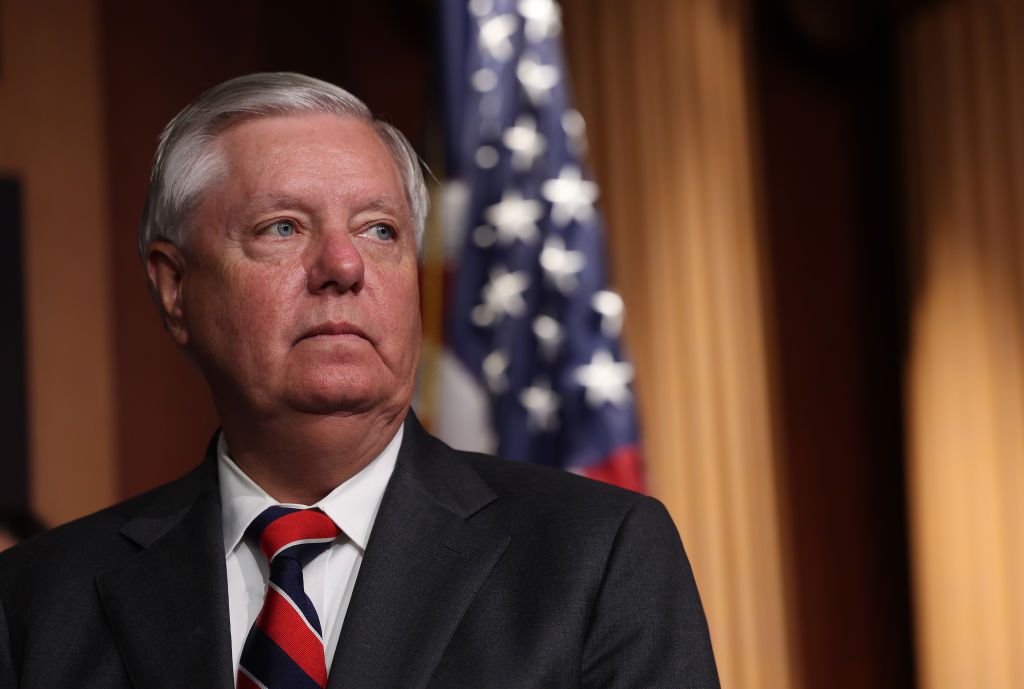
Shifting to Europe, U.S. Senator Lindsey Graham (R-S.C.) revealed on January 7 that Trump has "greenlit" a bipartisan Russia sanctions bill, paving the way for a Senate vote. "President Donald Trump supports additional sanctions on Russia," Graham stated, according to reports from Newsmax and the Kyiv Independent. This endorsement marks a significant step in tightening economic pressure on Moscow, potentially advancing legislation that has garnered cross-party support.
Compounding U.S.-China frictions, revelations emerged on January 7 that China hacked emails of aides on powerful U.S. House committees as part of the sprawling "Salt Typhoon" cyberespionage campaign. The Financial Times, cited by Newsmax and sources familiar with the matter, detailed the breach targeting congressional staff, amplifying concerns over Beijing's digital incursions into American institutions.
Background on U.S. Geopolitical Priorities
These developments occur against a backdrop of Trump's second term, following his 2024 election victory. On trade, the tariff delay aligns with Trump's "America First" approach, balancing domestic industry protection with inflation mitigation. Furniture and cabinet imports, heavily sourced from Asia, have been flashpoints in prior U.S.-China trade wars, where tariffs reached 25% under Section 301 duties.
In Latin America, Maduro's capture represents a dramatic escalation from years of U.S. sanctions and diplomatic isolation of his regime, accused of human rights abuses and election fraud. Colombia, a key U.S. ally and Venezuela's neighbor, has hosted over 2.5 million Venezuelan refugees and grappled with border instability. Petro, a left-leaning reformer, has navigated delicate ties with Washington while addressing narcotrafficking and migration—issues Trump has long prioritized.
Russia sanctions build on measures imposed since its 2022 invasion of Ukraine, where U.S. aid exceeds $60 billion. Bipartisan bills like this one target Russian energy revenues and oligarchs, reflecting congressional frustration with Moscow's war machine despite Trump's past overtures for dialogue.
The China hack fits into "Salt Typhoon," a real-world campaign first exposed in 2024 targeting U.S. telecoms and government networks. Attributed to China's Ministry of State Security, it has compromised sensitive data, fueling bipartisan calls for retaliation and bolstering cybersecurity laws like the 2025 Cyber Incident Reporting Act.
Expert Context and Implications
Analysts note Trump's pattern of mixing carrots and sticks: tariff delays ease economic pain, while sanctions and threats project strength. "This greenlight on Russia shows Trump working with Congress, not against it," Graham implied, contrasting with past veto threats.
On cyber, House leaders have demanded briefings, with potential for new sanctions under executive orders. The Colombia talks could clarify U.S. intentions post-Maduro, possibly involving joint operations against cartels or FARC dissidents.
Looking ahead, the Senate's Russia vote could pass swiftly, given momentum. Trade watchers await details on tariff permanence, while Latin American markets monitor for stability. China's response to hacking allegations remains muted, but escalation risks persist in an election-year Congress.
These moves position the U.S. at the nexus of great-power competition, from economic levers to military shadows, as Trump reshapes alliances in a volatile world.
(Word count: 682)






