Trump Announces Major Oil Deal with Venezuela's Interim Government After Maduro Capture, Demands Cut Ties with Rivals

Latest from X
Trump Announces Major Oil Deal with Venezuela's Interim Government After Maduro Capture, Demands Cut Ties with Rivals
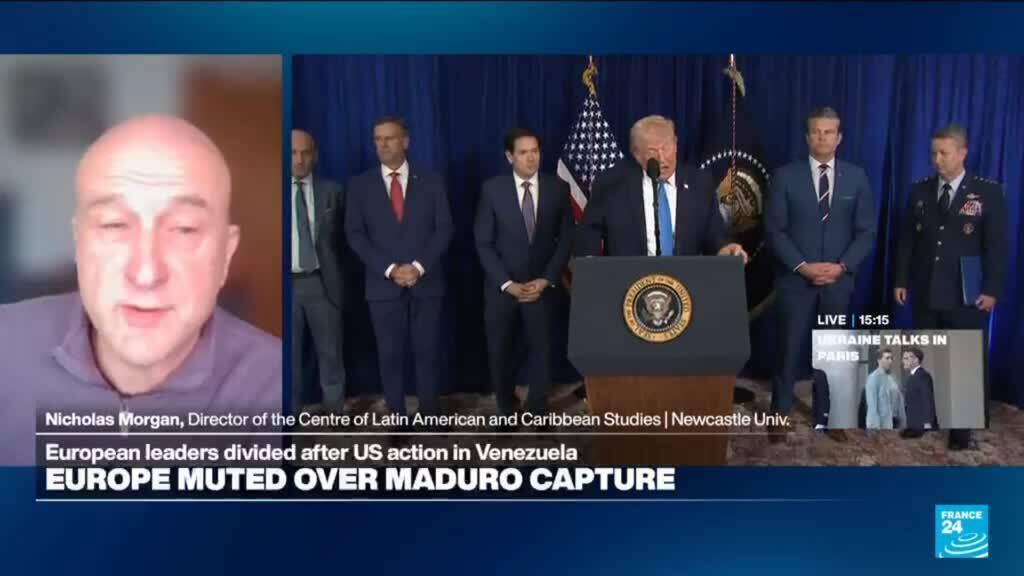
Washington, Jan. 7, 2026 — In a dramatic escalation of U.S.-Venezuela relations, President Donald Trump has revealed a deal for Venezuela to transfer 30-50 million barrels of sanctioned crude oil to the United States, with proceeds placed under direct U.S. control. The agreement follows the reported U.S. capture of Venezuelan President Nicolás Maduro and comes amid heightened military tensions, including U.S. actions against alleged drug trafficking infrastructure.
Trump described the arrangement during public statements, emphasizing that the oil—valued potentially at up to $2 billion at market prices—would benefit both Americans and the Venezuelan people. "Venezuela is turning over 30 million to 50 million barrels of oil to the United States," Trump said, adding that the proceeds would be "controlled by me" to ensure proper use. The deal targets stockpiles accumulated due to long-standing U.S. sanctions on Venezuela's petroleum sector, which holds the world's largest proven oil reserves.
The developments mark a swift policy shift after early January signals of dialogue. On January 2, amid U.S. claims of strikes on Venezuelan drug trafficking networks, Maduro expressed openness to talks with Washington on narcotics issues, while tensions were rated critical by monitoring services. However, by January 6, U.S. officials confirmed Maduro's capture, paving the way for engagement with interim President Delcy Rodríguez.
The Trump administration has tied further oil production resumption to strict conditions. It has instructed Rodríguez's government to sever economic ties with China, Cuba, and Russia—key allies that have sustained Maduro's regime through oil purchases and loans despite sanctions. "Partner only with the US on oil," the administration conveyed, signaling a broader geopolitical realignment. U.S. officials also urged over 600,000 Venezuelans who lost Temporary Protected Status to return home, citing improved stability post-capture.
Background: Sanctions, Alliances, and Escalation
Venezuela's oil industry has been crippled by U.S. sanctions imposed since 2017, aimed at pressuring Maduro over electoral fraud claims, human rights abuses, and narco-trafficking ties. These measures blocked exports, leading to hyperinflation and economic collapse, while Maduro deepened partnerships with Russia, China, and Iran for revenue. Russia provided military support and bought discounted oil; China extended billions in loans.
Recent events trace to early 2026 flare-ups. U.S. military actions targeted drug infrastructure, prompting Maduro's conditional openness to talks. A former Trump adviser claimed Russia offered Washington a "free hand" in Venezuela in exchange for Ukraine concessions, though details remain unverified. By week's end, Maduro's ouster—described in some reports as a U.S. "attack" or "raid"—shifted dynamics.
Trump envisions U.S. firms investing billions to repair Venezuela's dilapidated infrastructure, echoing promises of economic revival. However, experts caution revival "will not come easily or cheaply." Decades of underinvestment have left refineries and pipelines in disrepair, requiring massive capital amid global market volatility.
International Reactions and Concerns
The moves have sparked global unease. European leaders and Canada rallied behind Greenland amid perceived U.S. resource grabs in Latin America, invoking a so-called "Donroe Doctrine"—a provocative nod to the Monroe Doctrine—warning that Latin resources "belong to the US, to hell with anyone who gets in our way." Nick Morgan of Newcastle University's Centre for Latin American Studies described Europe as "woefully unprepared" for fraying transatlantic ties and a resurgent populist right.
In Kyiv, Ukraine hailed Maduro's fall as weakening Russia's alliance network but expressed angst over eroding international norms. "While applauding the demise of Russia's ally, Ukraine is worried about the collapse of international rules," Politico reported. Chinese media framed the U.S. intervention as "Iraq War 2.0," accusing it of provoking domestic Democratic opposition.
Posts on X reflect polarized sentiment, with some hailing U.S. strategy as regime change via oil leverage and others decrying it as aggression against a sanctioned state.
Outlook: Oil Revival and Geopolitical Ripples
While the deal unlocks immediate revenue, full production restart faces hurdles: technical fixes, legal disputes over seized assets, and compliance with U.S. demands. Success could stabilize Venezuela but risks alienating interim leaders if ties to Moscow and Beijing are severed abruptly.
Broader implications loom for global energy markets and U.S. foreign policy. With Russia and China sidelined, Venezuela's oil could flood markets, pressuring prices. Yet, the intervention tests post-unipolar world orders, balancing U.S. energy security against accusations of unilateralism.
(Word count: 712)
Track this story live
Live World Map
Monitor global events in real time with a live activity map and hotspot summaries.
Markets
Connect live events to Catalyst market signals across crypto, commodities, indices, and forex.
Geopolitical Risk
Live geopolitical risk index tracking conflict zones, sanctions, and global threat levels.
Original Sources
- •
- •
- •
- •
- •
- •
- •
- •
- •
- •
- •
Editorial process: This article was synthesized from the original sources cited above using The World Now's AI editorial system, with byline accountability from our editorial team. We grade every story for source grounding, factual coherence, and on-topic match before publication. Read more about our editorial standards and contributors. Spot something inaccurate? Let us know.
Last updated: January 14, 2026






