Trump Advances 'America First' Push with Russia Sanctions, Global Withdrawals, and Venezuela Escalation

Latest from X
Trump Advances 'America First' Push with Russia Sanctions, Global Withdrawals, and Venezuela Escalation
WASHINGTON — President Donald Trump has unleashed a flurry of geopolitical moves in early 2026, greenlighting harsh sanctions on Russia, ordering U.S. withdrawal from dozens of international organizations, seizing oil tankers tied to Venezuela, and threatening military action across multiple nations, signaling a renewed emphasis on unilateral American interests.
These actions, announced amid ongoing global tensions, come just days after U.S. forces captured Venezuelan President Nicolás Maduro in a high-profile operation. On January 1, Trump delayed planned tariffs on upholstered furniture, kitchen cabinets, and vanities for one year, a move described as providing industry relief amid broader trade pressures. By January 5, he escalated rhetoric by threatening military intervention in several countries in response to Maduro's capture, prompting diplomatic outreach to Colombia.
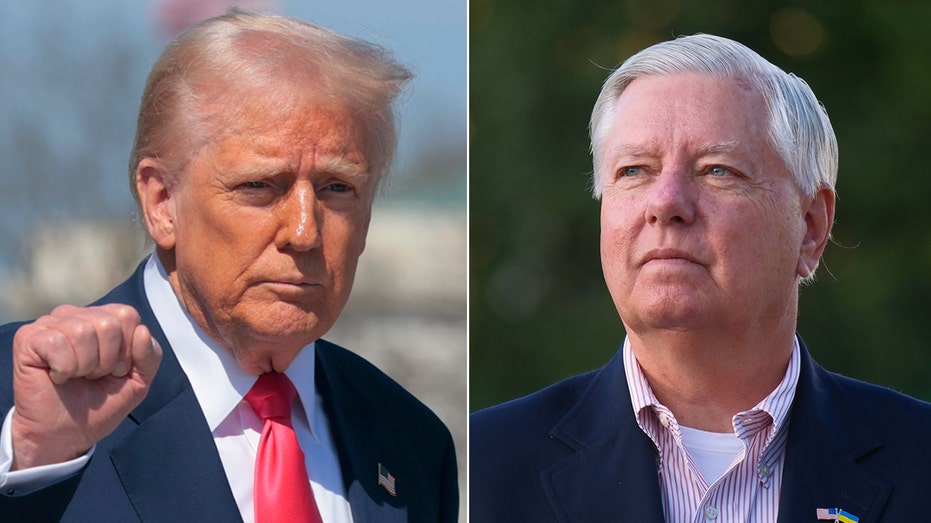
Senator Lindsey Graham (R-S.C.) confirmed Trump's support for a bipartisan Russia sanctions bill, which imposes 500% tariffs on countries purchasing Russian oil, aiming to isolate Moscow over its war in Ukraine. "Trump has greenlit" the measure, Graham stated, marking a policy shift after years of debate in Congress. The bill targets nations enabling Russia's "shadow fleet" of tankers evading existing sanctions, aligning with recent U.S. seizures of two such vessels linked to Venezuelan oil in the North Atlantic and Caribbean Sea.
U.S. authorities boarded the tankers in predawn operations, part of a broader crackdown on illicit shipments that have included Venezuelan and Iranian crude. The U.S. has vowed to continue embargoing these "shadow fleet" operations, which undermine sanctions regimes.
In parallel, Trump ordered the U.S. exit from 66 international bodies deemed "wasteful," including major UN forums on climate change, peace, and democracy. The directive ends funding for organizations seen as contrary to American priorities, echoing his first-term withdrawals from bodies like the WHO and Paris Agreement. Al Jazeera reported the changes as a sweeping rejection of multilateralism, affecting cooperation on global issues.
Trump also proposed boosting U.S. military spending by more than 50% to $1.5 trillion annually, urging defense firms to ramp up production or face restrictions on executive payouts. This comes amid accusations that China hacked emails of aides on key House committees in a cyberespionage campaign dubbed "Salt Typhoon," as reported by the Financial Times.
Venezuela Focus and Regional Ripples
The capture of Maduro has dominated headlines, with U.S. operations targeting his regime's alleged narcoterrorist ties. Posts on X from figures like Graham reflect strong Republican support, portraying Maduro as an "illegitimate narcoterrorist dictator" aligned with Russia, China, and Hezbollah. Trump arranged a White House meeting with Colombian President Gustavo Petro following threats of military action against nations harboring similar elements, aiming to stabilize the region post-capture.
These threats extend beyond Venezuela, with Trump warning of intervention in countries supporting Maduro or similar actors, though specifics remain limited.
Background and Context
Trump's second term, inaugurated in January 2025, has revived "America First" tenets amid Russia's invasion of Ukraine (ongoing since 2022), Venezuela's political crisis since Maduro's disputed 2018 reelection, and escalating U.S.-China rivalry. Maduro's regime has faced U.S. sanctions since 2017 for corruption and human rights abuses, with oil exports funding alliances with Iran and Russia via shadow fleets.
The sanctions bill builds on prior measures like the 2022 price cap on Russian oil, enforced through tanker seizures. Withdrawals from global organizations follow a pattern: the U.S. left UNESCO in 2017 and 2023, rejoining briefly under Biden. China's alleged hacks fit into a pattern of state-sponsored cyber operations, including 2024 Microsoft breaches attributed to Beijing.
Outlook
Analysts anticipate pushback from allies concerned over tariffs and withdrawals, potentially straining NATO unity on Ukraine aid. European responses to Maduro's fall have been mixed, with some posts on X urging them to "get a grip." As Trump hosts Petro, regional stability hinges on diplomacy versus further military posturing. With military budgets swelling and cyber threats rising, 2026 promises intensified U.S. assertiveness on the world stage.
(Word count: 682)
Track this story live
Live World Map
Monitor global events in real time with a live activity map and hotspot summaries.
Markets
Connect live events to Catalyst market signals across crypto, commodities, indices, and forex.
Geopolitical Risk
Live geopolitical risk index tracking conflict zones, sanctions, and global threat levels.
Original Sources
- •
- •
- •
- •
- •
- •
- •
- •
- •
- •
Editorial process: This article was synthesized from the original sources cited above using The World Now's AI editorial system, with byline accountability from our editorial team. We grade every story for source grounding, factual coherence, and on-topic match before publication. Read more about our editorial standards and contributors. Spot something inaccurate? Let us know.
Last updated: February 18, 2026






